Click to skip to site content
Click to close site navigation
Exhibitions
Current
Upcoming
Past
Education
Teachers
Teens
All Ages
Tours
Collections
Recent Acquisitions
Artists A-Z
Visit
MOCA Grand
MOCA Geffen
WAREHOUSE
Programs
Stream
Screen
Introducing
Shop
MOCA Masks
Featured Products
Exhibition Catalogues
Store Policies
Support
Donate
Membership
Individuals
Corporations
Foundations & Government
MOCA Fund for Exhibitions
MOCA Fund for Education
Donor-Advised Funds
Travel
Gala and Benefit Events
Many Thanks
About
Mission & History
Board
Director’s Council
Environmental Council
Eric and Wendy Schmidt Environment and Art Prize
Global Council
Staff
Contact
Press Room
News
Jobs & Internships
Financials
Event Rentals
Privacy Policy
Terms of Use
Home
Get Tickets
Visit
Exhibitions
Collection
Programs
Support
Shop
About
Education
News
Museum of Contemporary Art Logo: Return to homepage
Museum of Contemporary Art Logo: Return to homepage
The Museum of Contemporary Art
Exhibitions
Collection
Programs
Support
Shop
Visit
Get Tickets
Search MOCA website
Menu
Currently on View
Upcoming
Public Art
Past
Currently On View
MOCA Grand Avenue
Diary of Flowers: Artists and their Worlds
MOCA Grand Avenue
MOCA Focus: Takako Yamaguchi
MOCA Grand Avenue
Fictions of Display
Upcoming
The Geffen Contemporary at MOCA
MONUMENTS
Public Art
The Geffen Contemporary at MOCA
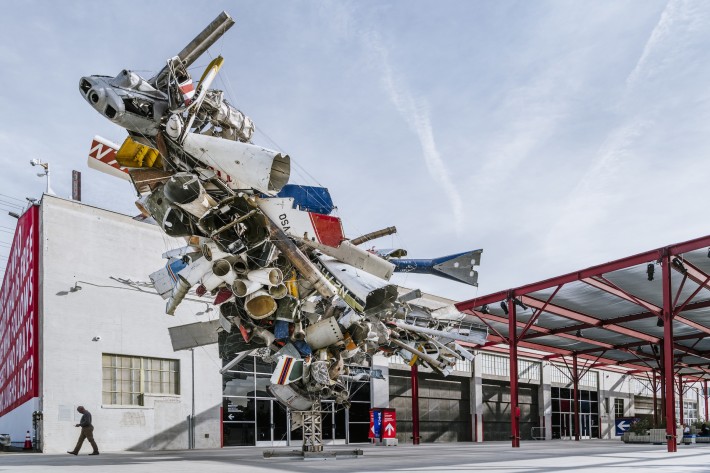
Nancy Rubins, Chas' Stainless Steel, Mark Thompson's Airplane Parts, About 1,000 Pounds of Stainless Steel Wire, and Gagosian's Beverly Hills Space at MOCA (2002)
The Geffen Contemporary at MOCA
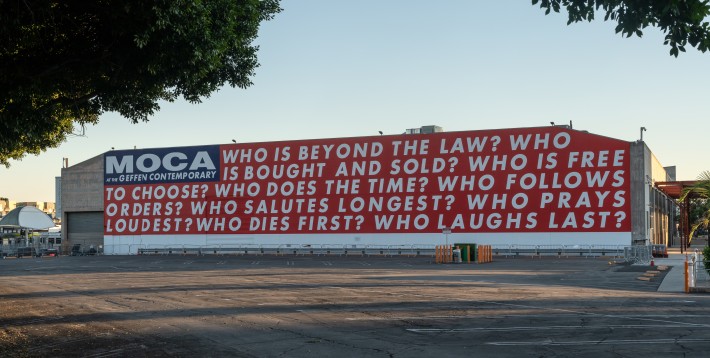
Barbara Kruger, Untitled (Questions)
(1990/2018)
MOCA Grand Avenue
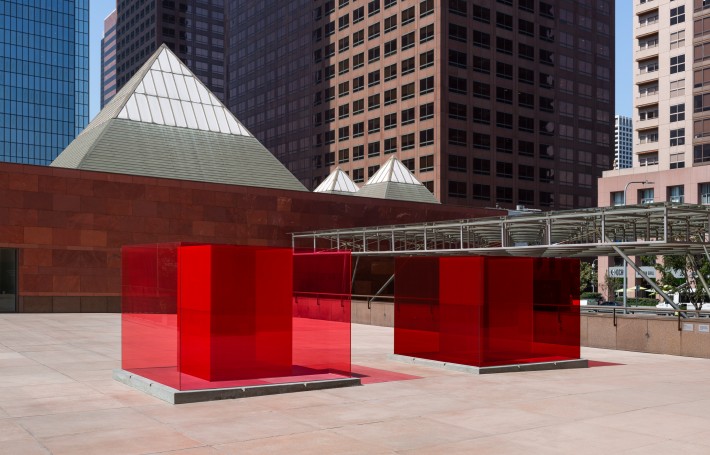
Larry Bell, Bill and Coo at MOCA’s Nest (2019)
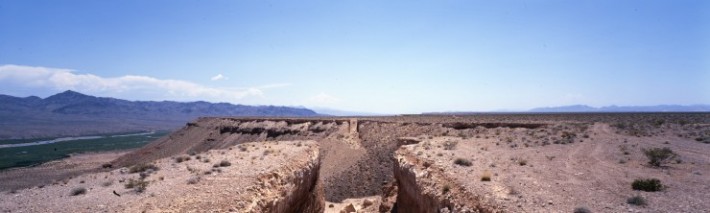
Overton, NV
Michael Heizer, Double Negative (1969)
Past
2025
2024
2023
2022
2021
2020
2019
2018
2017
2016
2015
2014
2013
2012
2011
2010
2009
2008
2007
2006
2005
2004
2003
2002
2001
2000
1999
1998
1997
1996
1995
1994
1993
1992
1991
1990
1989
1988
1987
1986
1985
1984
1983
Feb 2025 – Mar 2025
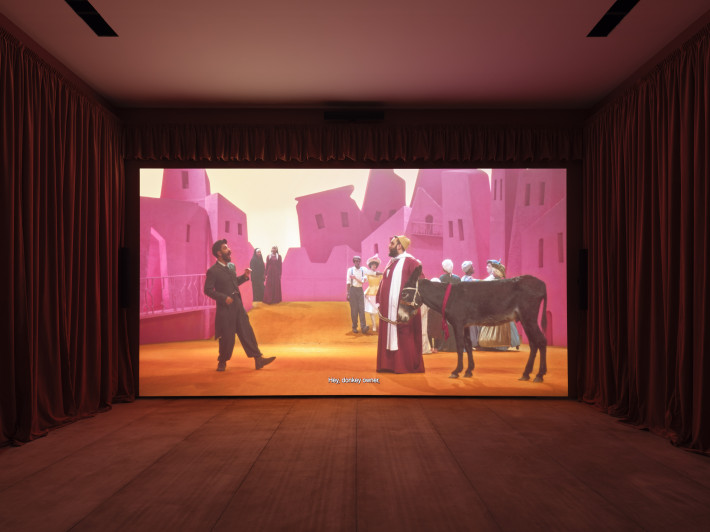
Wael Shawky: Drama 1882
Nov 2024 – May 2025
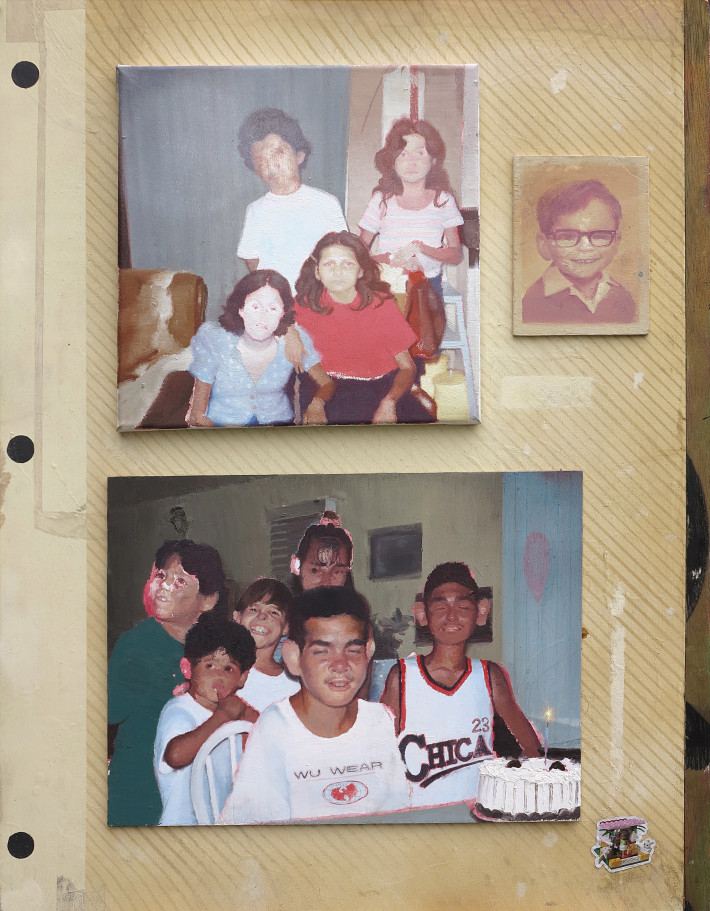
Ordinary People: Photorealism and the Work of Art since 1968
Nov 2024 – May 2025
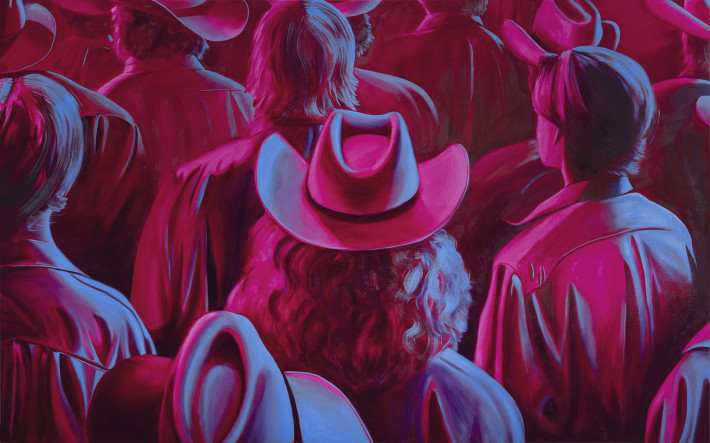
MOCA Focus: Ana Segovia
Sept 2024 – July 2025
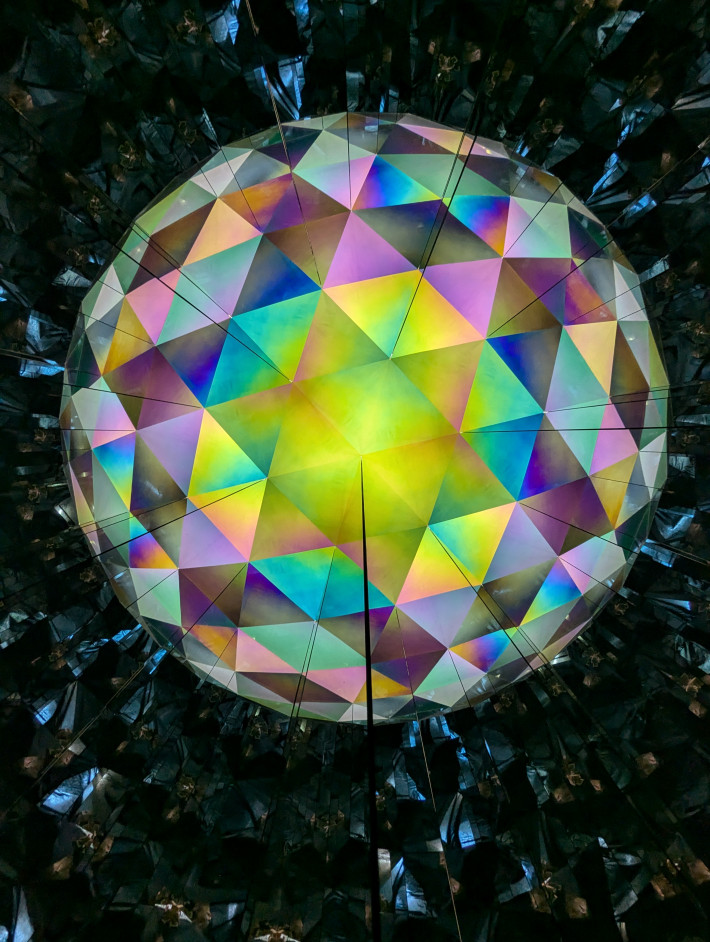
Olafur Eliasson: OPEN
June 2024 – Jan 2025
Josh Kline: Climate Change
2024