
Inlet, 1959
- Medium
- Oil, newspaper, postcard, paper, wood, metal, fabric, pant leg, zipper, wire hanger, paperclip, can lids, stuffed bird, toy pistol, light socket, conduit, compass, furniture wheel, and corkscrew on canvas
- Dimensions
- 84 1/2 x 48 x 4 in. (214.63 x 121.92 x 10.16 cm)
- Accession Number
- 88.10
- Credit
The Museum of Contemporary Art, Los Angeles
The Panza Collection
In the mid-1950s, Robert Rauschenberg began making Combines: artworks that merge elements of painting and sculpture yet defy the conventions of both mediums. For Inlet, he used paint to adhere found objects to the work’s
surface, turning the brushstroke from an expressive gesture associated with the Abstract Expressionist movement of the 1940s and 1950s into a method of cohering parts into a whole. He also affixed paint can lids and a paint tube to the work, cleverly treating the tools of painting as sculptural objects, much as he invoked the still-life painting tradition—which often pictured hunting trophies—by including an actual taxidermied bird. By combining these references to painting and art history with everyday items he found on the streets of New York, Rauschenberg emphasized the inseparability not only of painting and sculpture, and of action and object, but also of modern art and modern life.
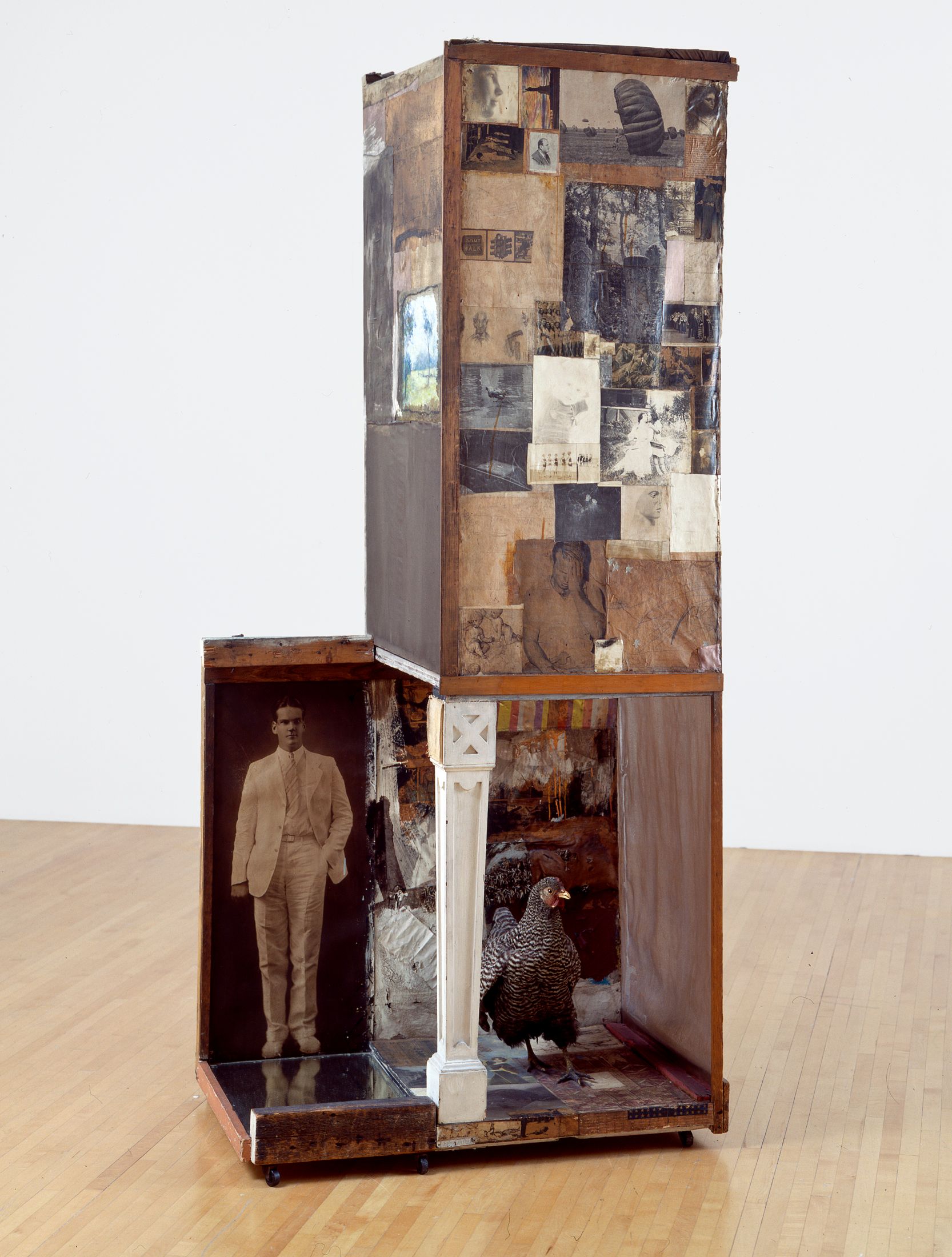 Robert RauschenbergUntitledc.1954
 Robert RauschenbergHowl1982
 Robert RauschenbergSub-total1971
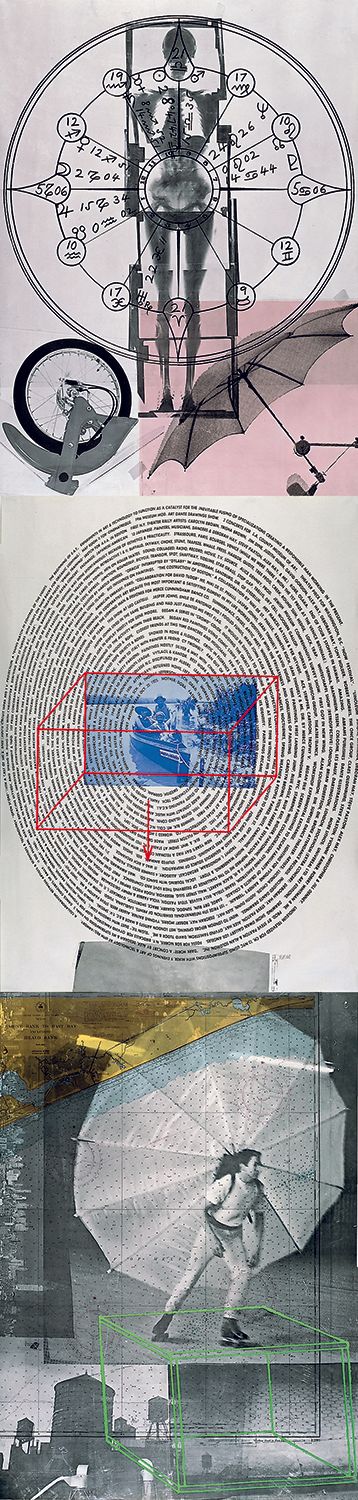 Robert RauschenbergAutobiography1968
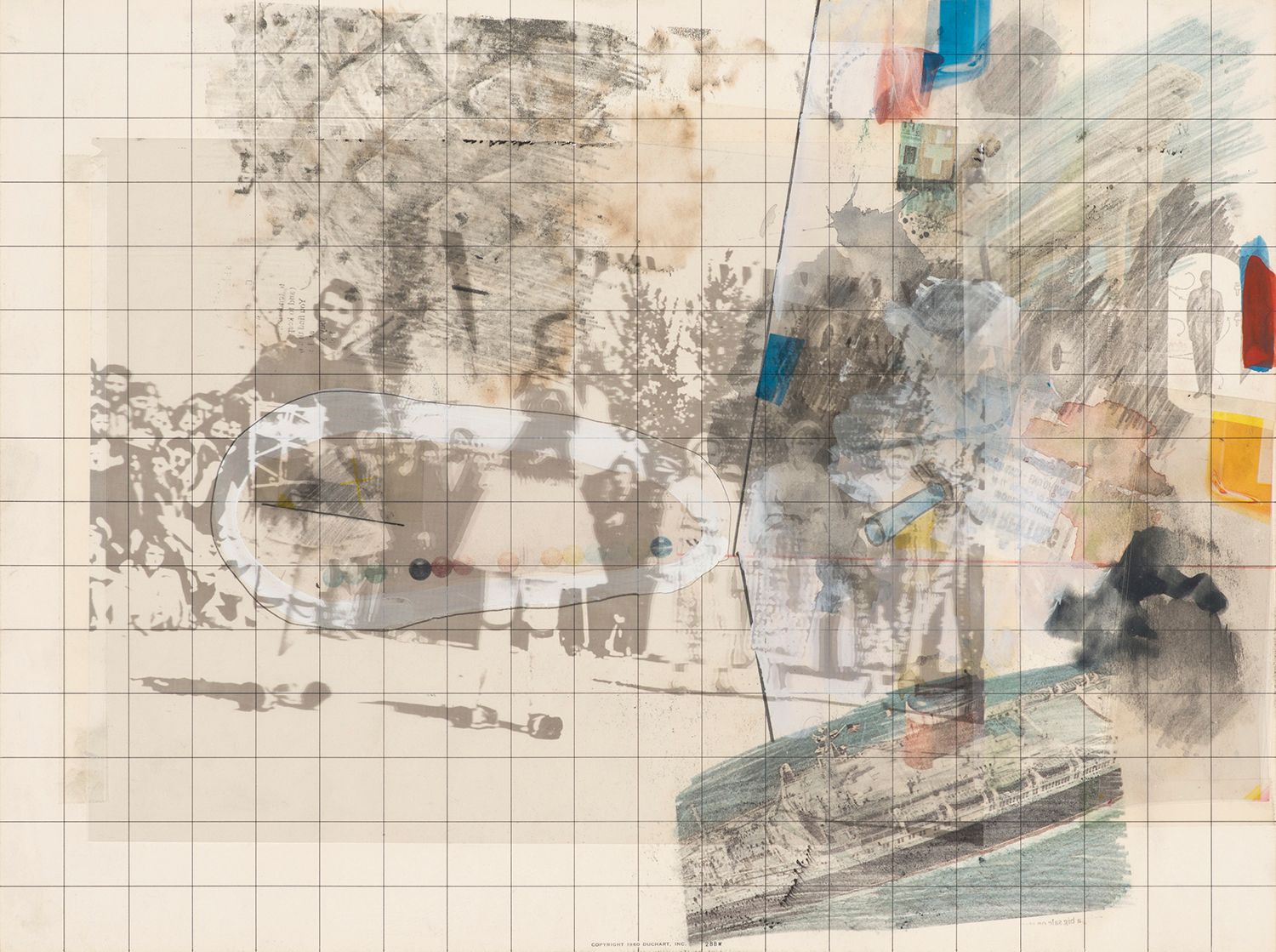 Robert RauschenbergUntitled1967
 Robert RauschenbergPost Rally1965
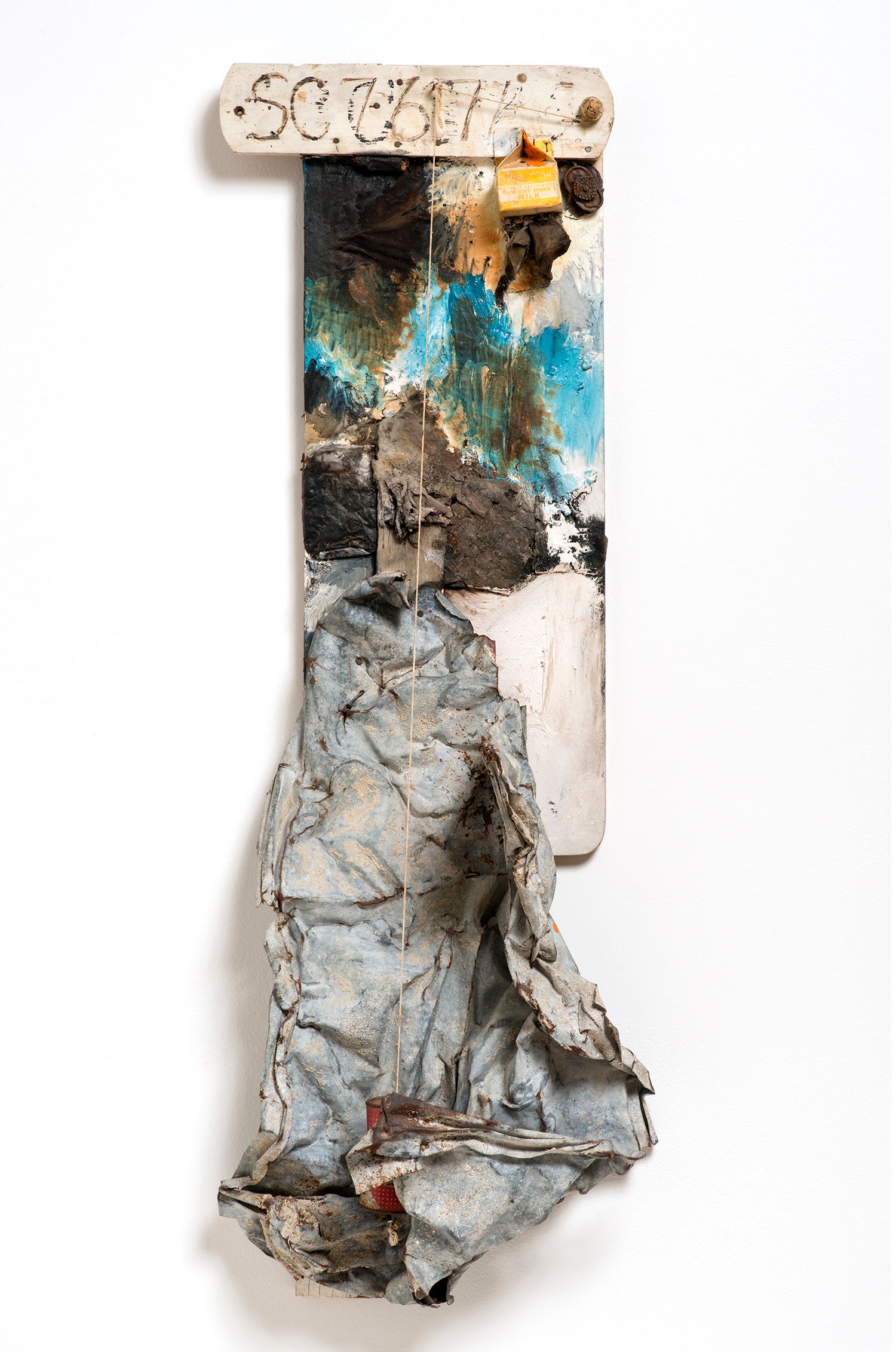 Robert RauschenbergSlow Fall1961
 Robert RauschenbergXXXIV Drawings for Dante’s Inferno1959-1960
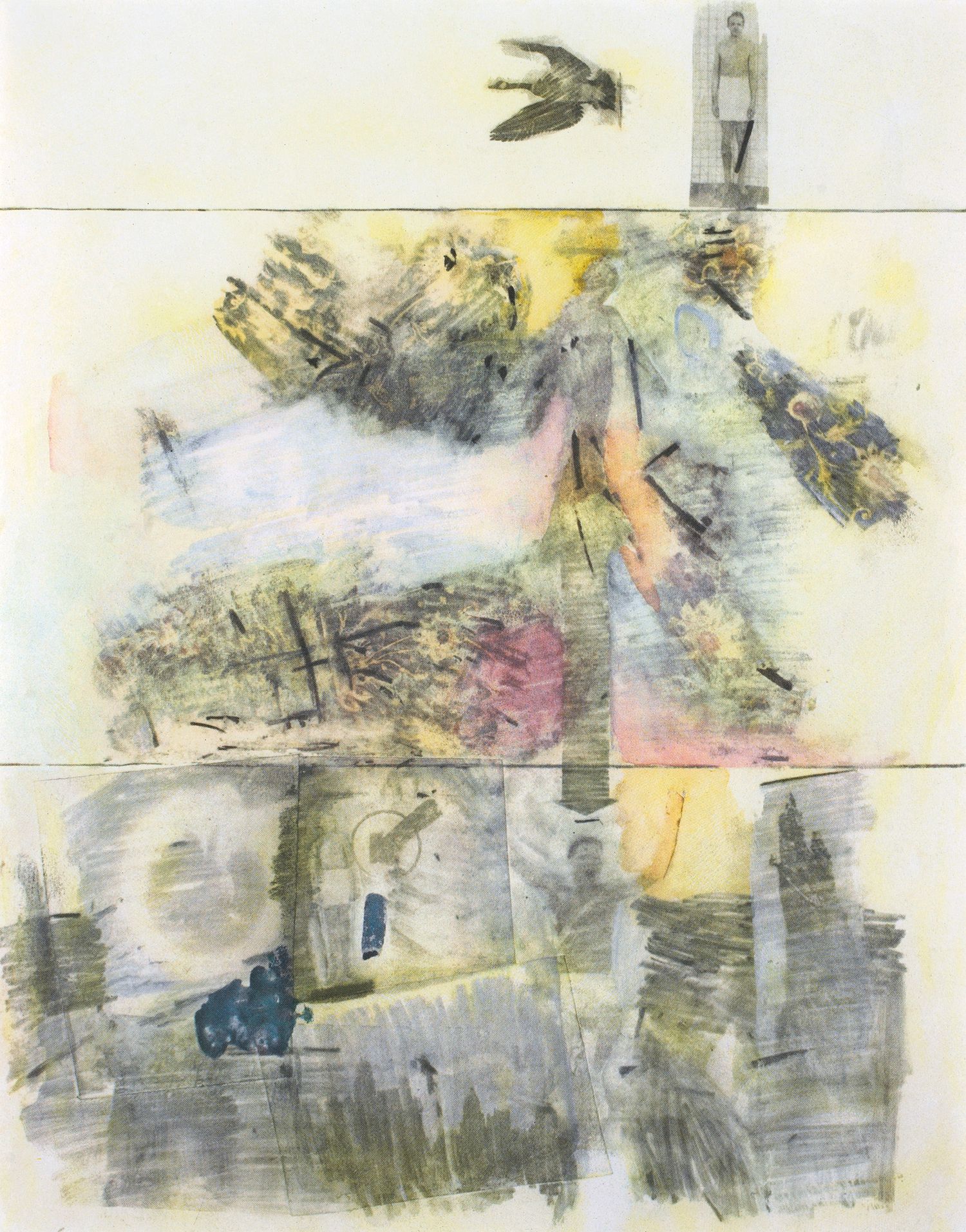 Robert RauschenbergXXXIV Drawings for Dante’s Inferno1959-1960
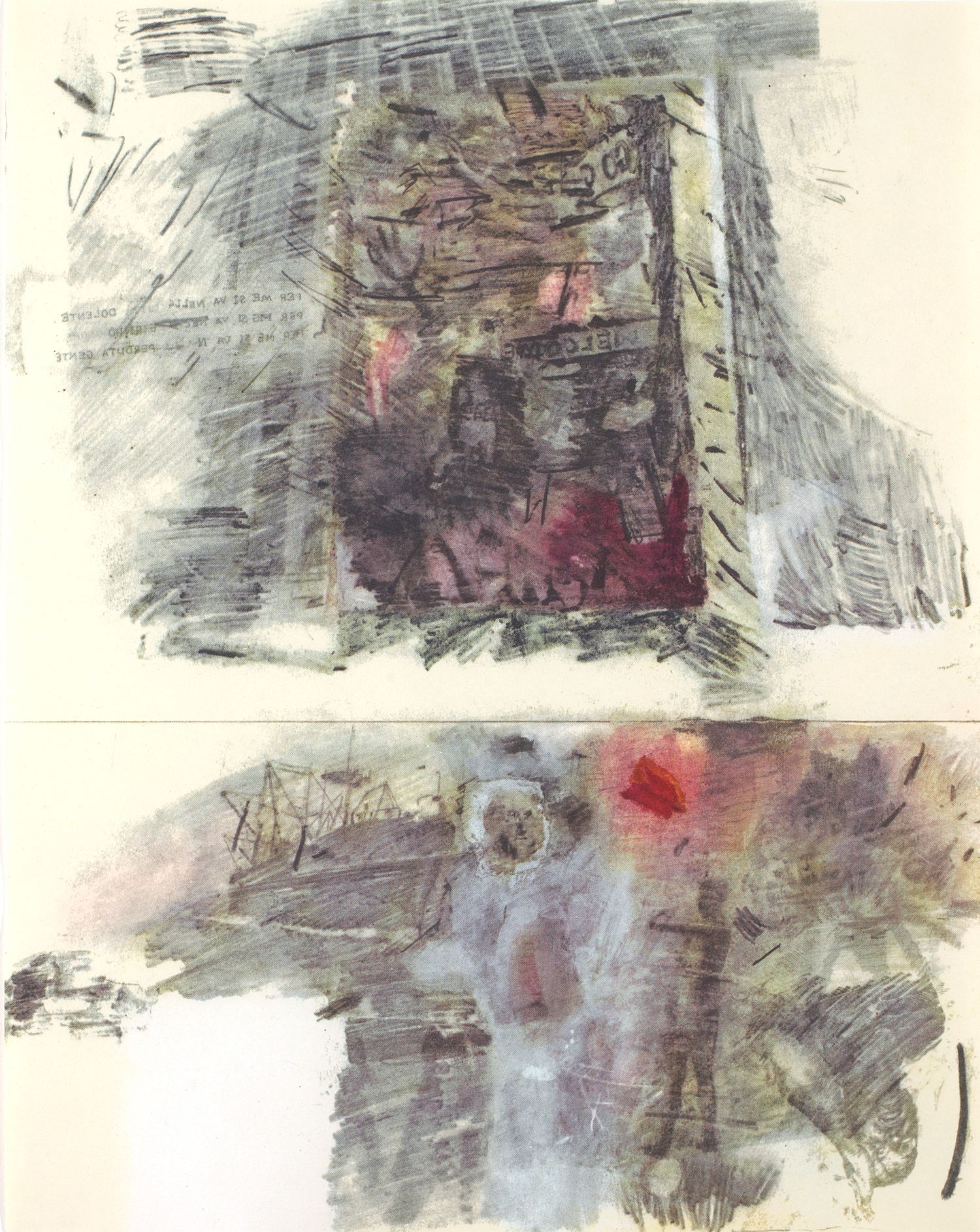 Robert RauschenbergXXXIV Drawings for Dante’s Inferno1959-1960
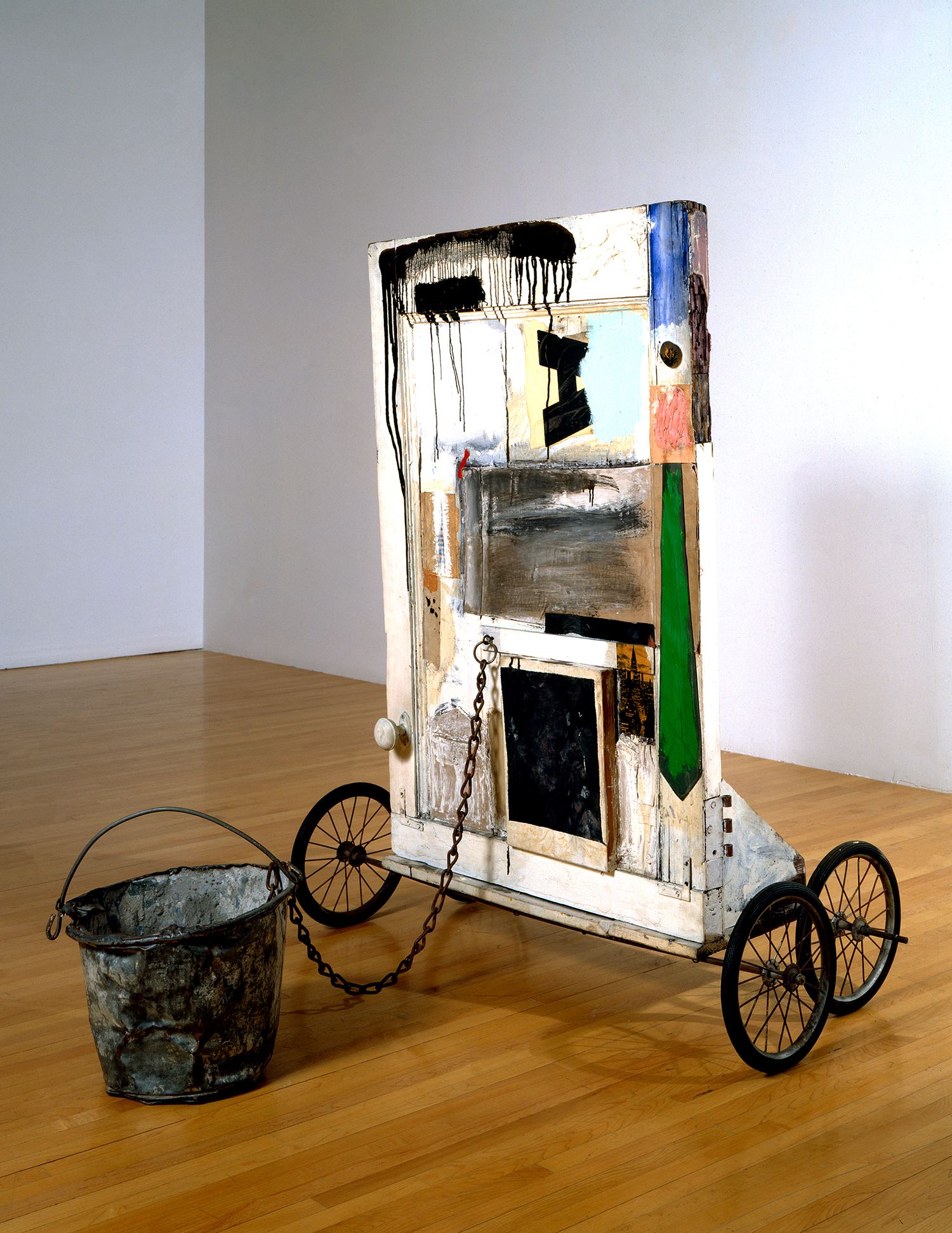 Robert RauschenbergGift for Apollo1959
 Robert RauschenbergKickback1959
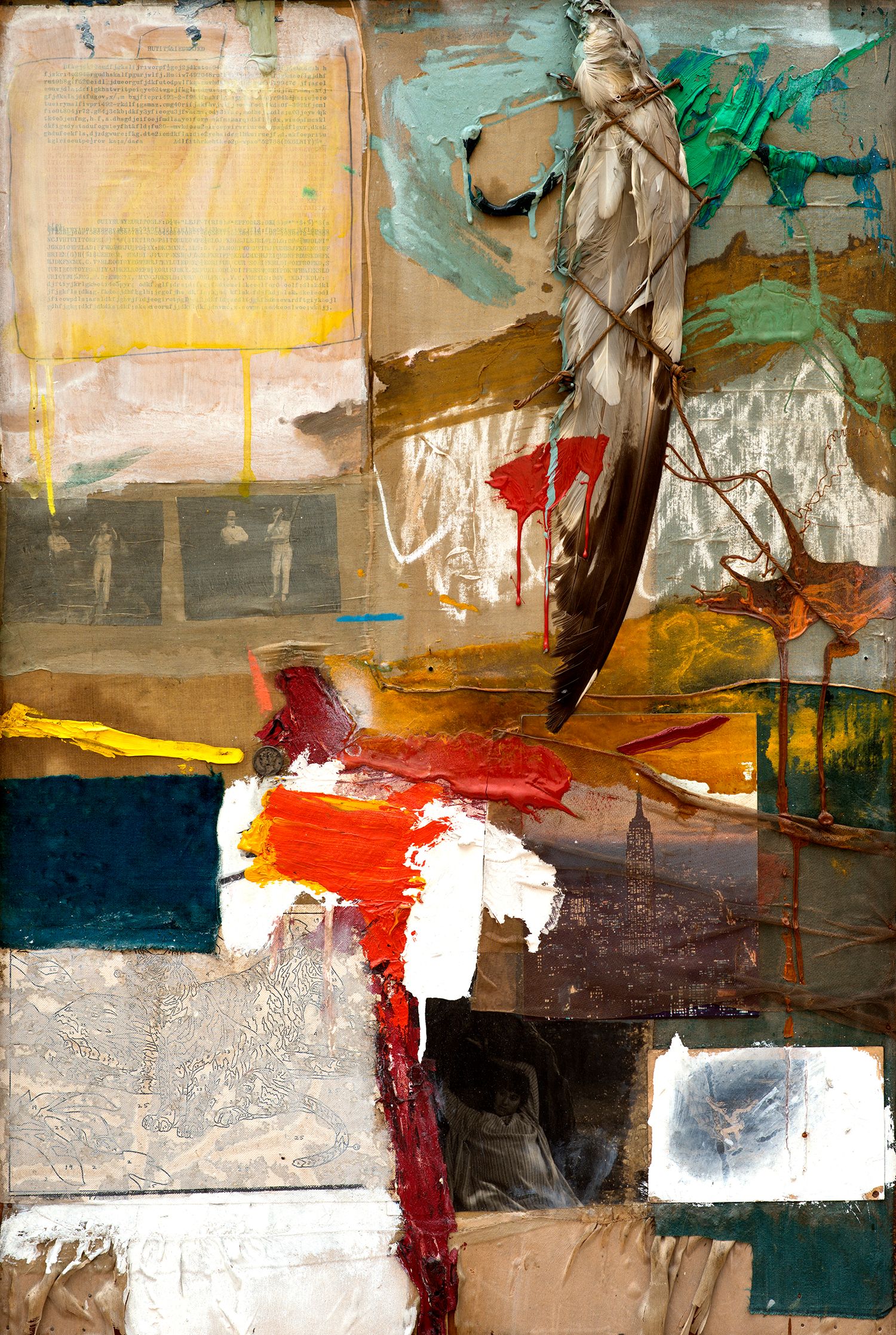 Robert RauschenbergPainting with Grey Wing1959
 Robert RauschenbergCoca-Cola Plan1958
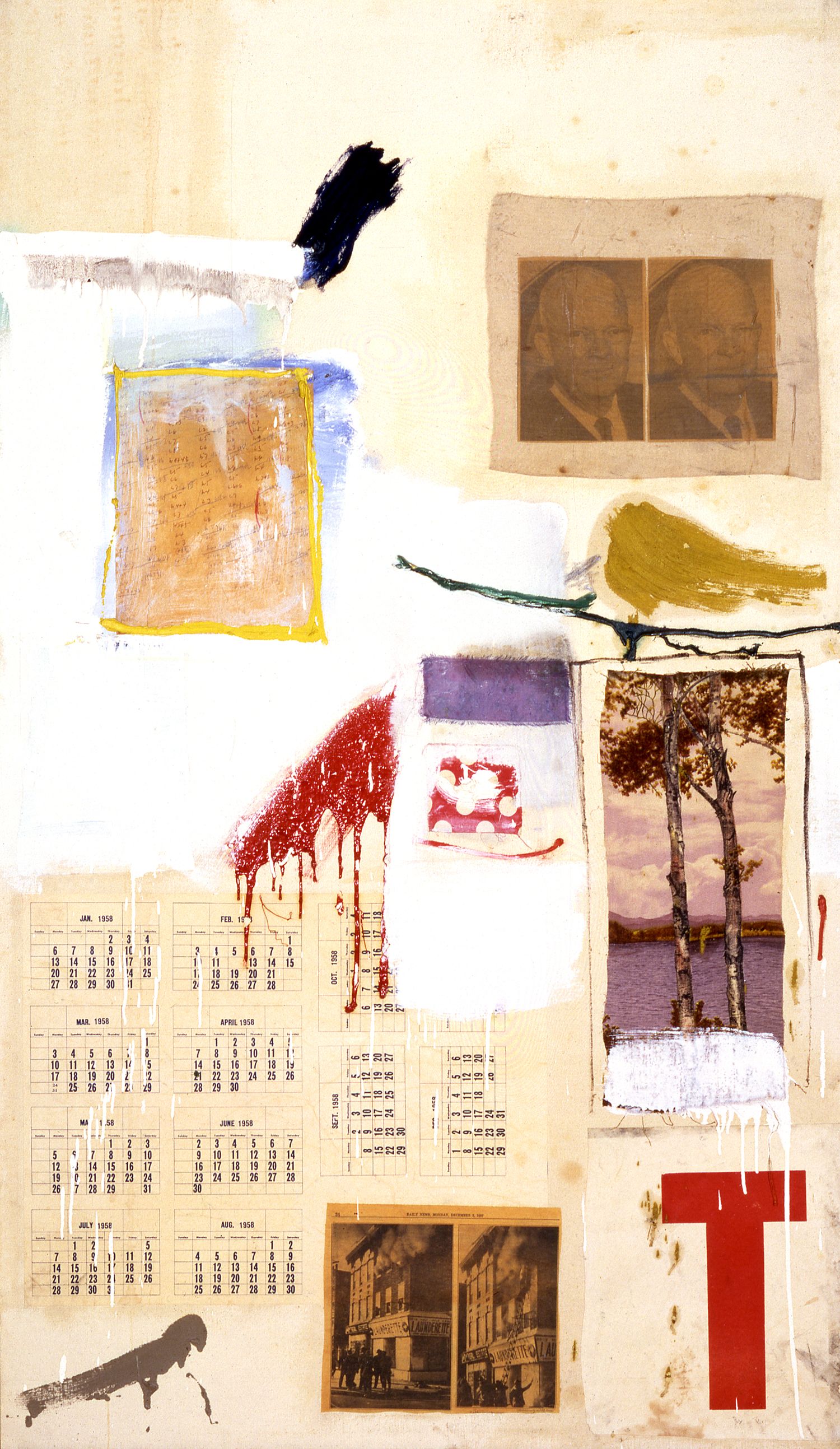 Robert RauschenbergFactum I1957
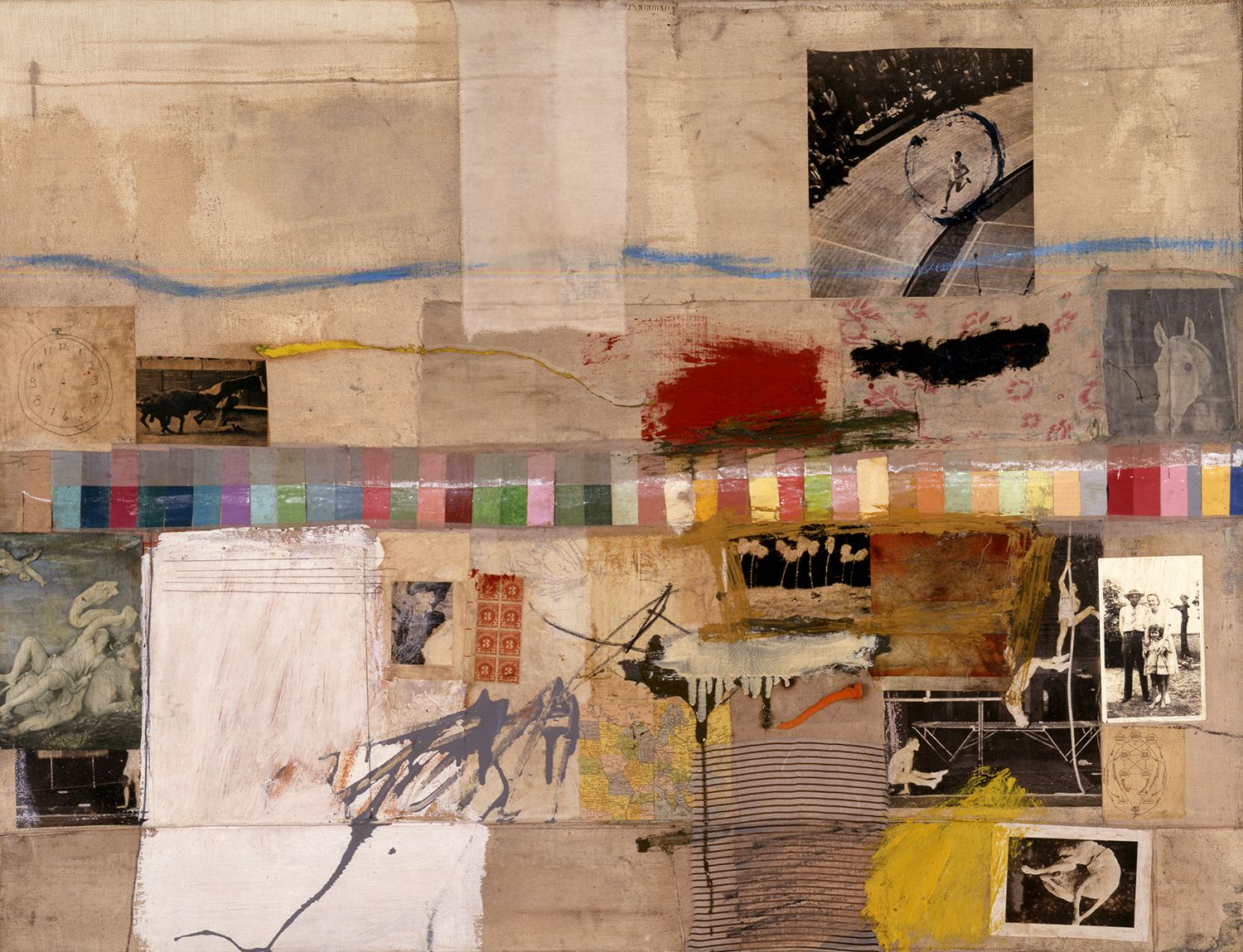 Robert RauschenbergSmall Rebus1956
 Robert RauschenbergInterview1955
- Image not availableRobert RauschenbergL.A. Uncovered #81998
- Image not availableRobert RauschenbergL.A. Uncovered #91998
- Image not availableRobert RauschenbergWaterworks Series - Celebration1993
- Image not availableRobert RauschenbergUntitled1982
- Image not availableRobert RauschenbergCloister Series1980
- Image not availableRobert RauschenbergSketch for Monogram1973
- Image not availableRobert RauschenbergThe Quarry1968
- Image not availableRobert RauschenbergKar1959-1960
- Image not availableRobert RauschenbergXXXIV Drawings for Dante’s Inferno1959-1960
- Image not availableRobert RauschenbergXXXIV Drawings for Dante’s Inferno1959-1960
- Image not availableRobert RauschenbergXXXIV Drawings for Dante’s Inferno1959-1960
- Image not availableRobert RauschenbergXXXIV Drawings for Dante’s Inferno1959-1960
- Image not availableRobert RauschenbergXXXIV Drawings for Dante’s Inferno1959-1960
- Image not availableRobert RauschenbergXXXIV Drawings for Dante’s Inferno1959-1960
- Image not availableRobert RauschenbergXXXIV Drawings for Dante’s Inferno1959-1960
- Image not availableRobert RauschenbergXXXIV Drawings for Dante’s Inferno1959-1960
- Image not availableRobert RauschenbergXXXIV Drawings for Dante’s Inferno1959-1960
- Image not availableRobert RauschenbergXXXIV Drawings for Dante’s Inferno1959-1960
- Image not availableRobert RauschenbergXXXIV Drawings for Dante’s Inferno1959-1960
- Image not availableRobert RauschenbergXXXIV Drawings for Dante’s Inferno1959-1960
- Image not availableRobert RauschenbergXXXIV Drawings for Dante’s Inferno1959-1960
- Image not availableRobert RauschenbergXXXIV Drawings for Dante’s Inferno1959-1960
- Image not availableRobert RauschenbergXXXIV Drawings for Dante’s Inferno1959-1960
- Image not availableRobert RauschenbergXXXIV Drawings for Dante’s Inferno1959-1960
- Image not availableRobert RauschenbergXXXIV Drawings for Dante’s Inferno1959-1960
- Image not availableRobert RauschenbergXXXIV Drawings for Dante’s Inferno1959-1960
- Image not availableRobert RauschenbergXXXIV Drawings for Dante’s Inferno1959-1960
- Image not availableRobert RauschenbergXXXIV Drawings for Dante’s Inferno1959-1960
- Image not availableRobert RauschenbergXXXIV Drawings for Dante’s Inferno1959-1960
- Image not availableRobert RauschenbergXXXIV Drawings for Dante’s Inferno1959-1960
- Image not availableRobert RauschenbergXXXIV Drawings for Dante’s Inferno1959-1960
- Image not availableRobert RauschenbergXXXIV Drawings for Dante’s Inferno1959-1960
- Image not availableRobert RauschenbergXXXIV Drawings for Dante’s Inferno1959-1960
- Image not availableRobert RauschenbergXXXIV Drawings for Dante’s Inferno1959-1960
- Image not availableRobert RauschenbergXXXIV Drawings for Dante’s Inferno1959-1960
- Image not availableRobert RauschenbergXXXIV Drawings for Dante’s Inferno1959-1960
- Image not availableRobert RauschenbergXXXIV Drawings for Dante’s Inferno1959-1960
- Image not availableRobert RauschenbergXXXIV Drawings for Dante’s Inferno1959-1960
- Image not availableRobert RauschenbergXXXIV Drawings for Dante’s Inferno1959-1960