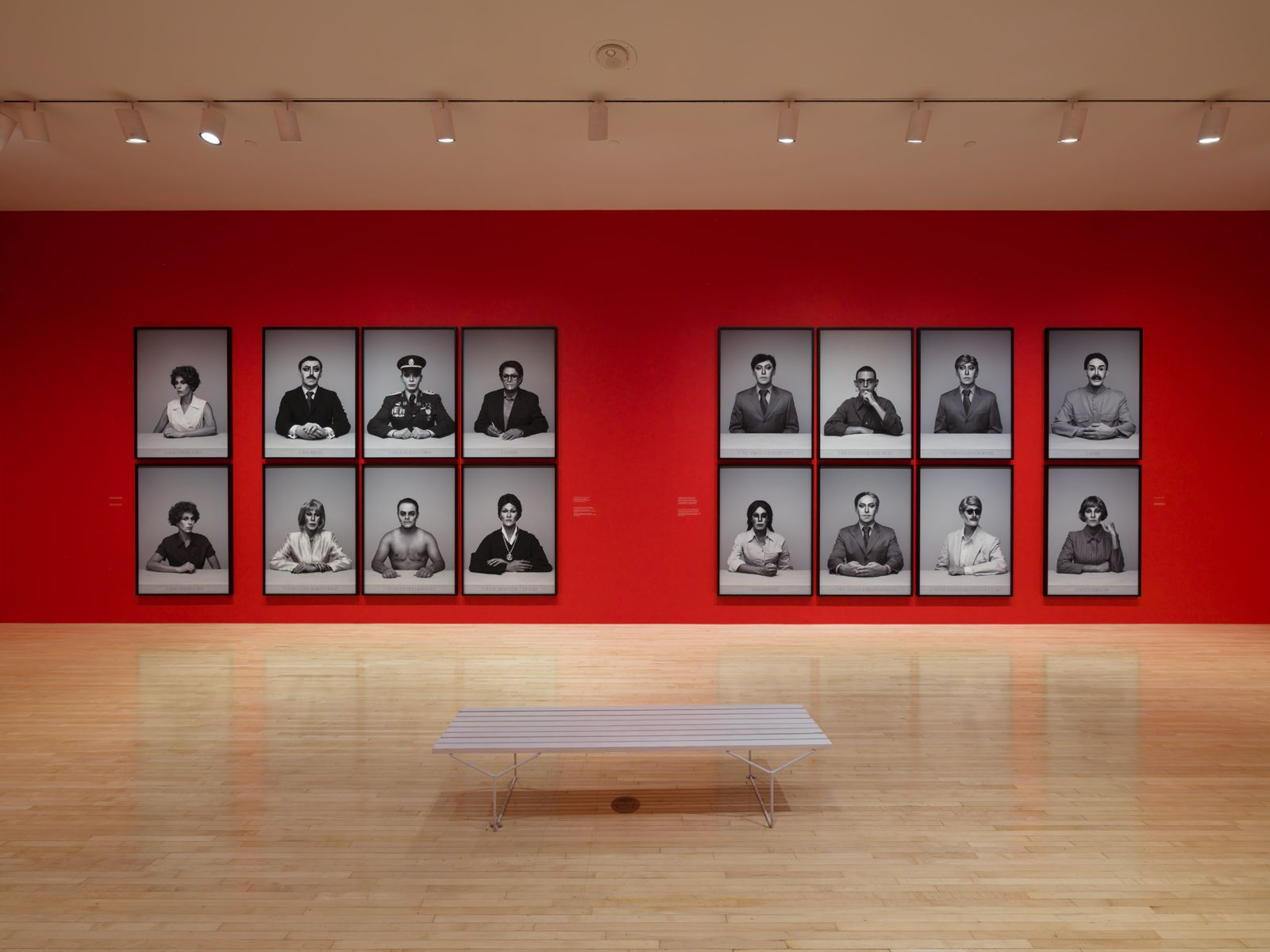
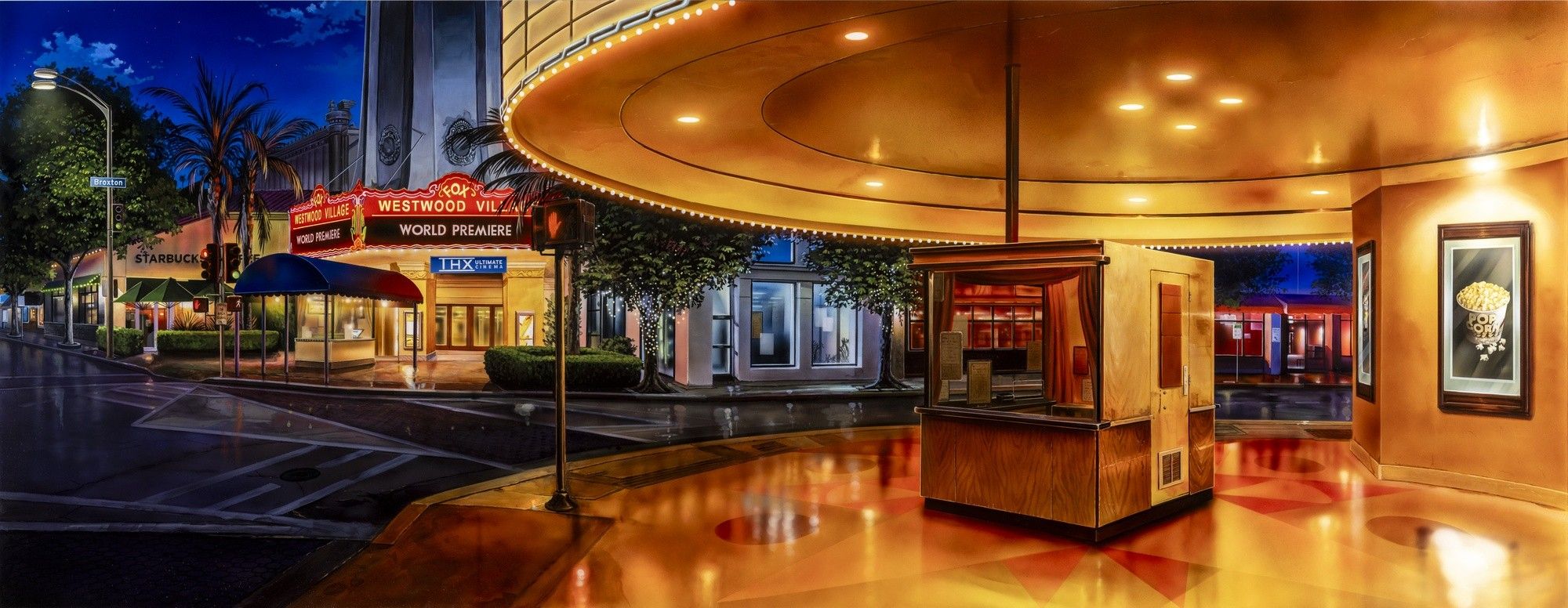
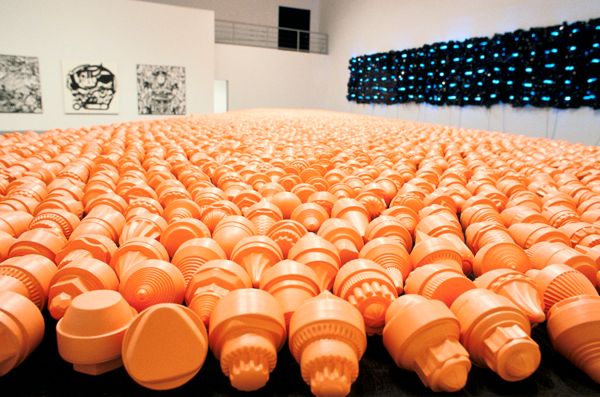
A Forest of Signs: Art in the Crisis of Representation was a landmark exhibition that surveyed a defining theme of American art in the 1970s and 1980s: the role and function of visual art in a culture saturated with consumer images. The exhibition drew its title from the poem “Correspondences” (1857) by Charles Baudelaire, highlighting the plethora of signs and symbols that inundate the modern world. The thirty artists and over two hundred works in the show responded to this “crisis” of visual culture by examining the operations and effects of American mass media through photocollage, appropriation, text art, installation, video, and more. Each artist was represented by a body of work, a series, a major project, or, occasionally, a piece commissioned by MOCA specifically for the show. Several of the artists—including Troy Brauntuch, Jack Goldstein, Sherrie Levine, and Robert Longo—were part of Douglas Crimp’s seminal 1977 exhibition Pictures, the first to identify the semiotic theme in contemporary art; crucially, A Forest of Signs also featured artists who emerged after Pictures, examining how conditions had changed. The exhibition was accompanied by a catalogue.
A Forest of Signs: Art in the Crisis of Representation was organized by Mary Jane Jacob, Chief Curator, and Ann Goldstein, Senior Curator, The Museum of Contemporary Art, Los Angeles.