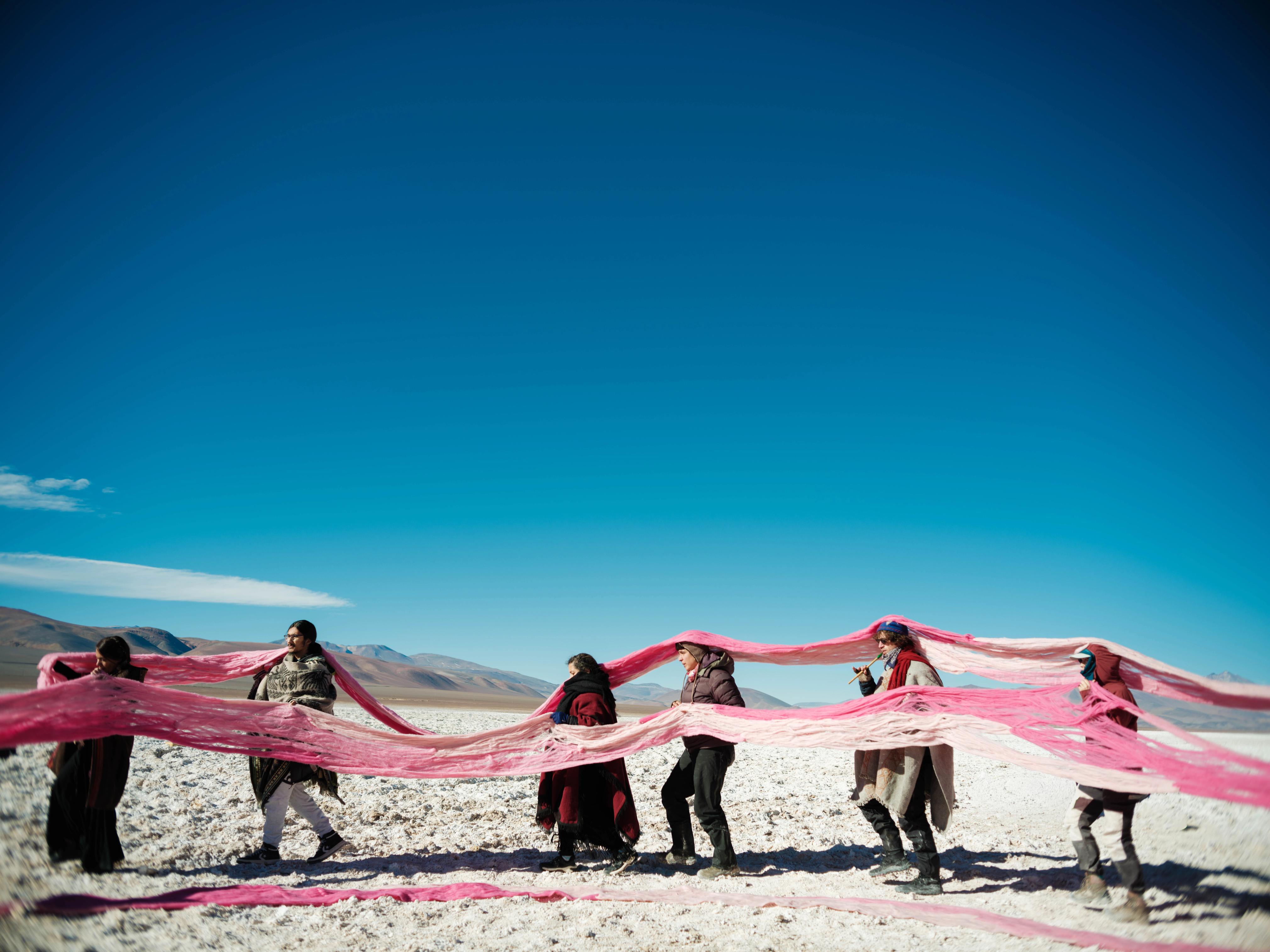
Join artist Cecilia Vicuña in conversation with Elizabeth DeLoughrey on the occasion of Vicuña’s exhibition The Dream of Water: Quipu of Encounters Maricunga. Vicuña’s project at MOCA focuses on the ecological crisis unfolding in the Maricunga Salt Flats, located in the southernmost part of the Atacama Desert where fragile ecosystems–and the communities that have called this territory home for generations–face increasing threats from corporate lithium mining. The conversation will explore this newly commissioned work as well as Vicuña's decades long practice spanning poetry, performance, and textiles.
Cecilia Vicuña is one of the inaugural winners of The Eric and Wendy Schmidt Environment and Art Prize, a juried prize that supports artists whose practices address critical intersections in art, architecture, design, climate, conservation, sustainability, and environmental justice.
About Cecilia Vicuña
Cecilia Vicuña (Santiago de Chile, 1948) is a visual artist, poet, filmmaker and activist based in New York. Her poetic work in space, performance and visual arts is considered a decolonizing vision that anticipated ecofeminism. She coined the term “Arte Precario” in the mid-1960s in Chile as a new independent and non-colonized category for her precarious works composed of structures that disappear in the landscape, and in 1974, while in London, she co-founded the collective Artists for Democracy. Vicuña has re-invented the ancient Pre-Columbian quipu system of non-writing with knots through ritual acts that weave the urban landscape, rivers and oceans, as well as people, to re-construct a sense of unity and awareness of interconnectivity. These works bridge art and poetry as a way of “hearing an ancient silence waiting to be heard.”
In recent years Vicuña has exhibited at Turbine Hall, TATE, London; Guggenheim Museum, New York; MoMA Museum of Modern Art, New York; Documenta 14, Athens and Kassel; Kunstinstitutt Melly (ex Witte de With) Rotterdam, The Netherlands; MUAC, Mexico; CA2M, Madrid, where she received the Velasquez Award; and Museo de Arte Miguel Urrutia (MAMU), Banco de la República, Bogotá, Colombia. Her retrospective “Soñar el agua” was recently on view at the Museo Nacional de Bellas Artes in Santiago de Chile, and MALBA, Buenos Aires and is currently on view at the Pinacoteca, São Paulo. She received the Golden Lion Award for her trajectory at the 59th Venice Biennale, 2022. Her work is collected in major institutions around the world. In February 2023 she was elected Honorary Foreign Member of the Academy of Arts and Letters of the United States, and Dr. Honoris Causa by Universidad de Chile. She was the winner of the Premio Nacional de Artes Plásticas 2023, one of the most prestigious awards given by her homeland.
About Elizabeth DeLoughrey
Elizabeth DeLoughrey is a professor in the English Department and the Institute of the Environment and Sustainability at UCLA who teaches postcolonial and Indigenous literature courses on the environment, globalization, critical ocean studies, and the Anthropocene and climate change, with a focus on the Caribbean and Pacific Islands (Oceania). She is the author of Routes and Roots: Navigating Caribbean and Pacific Literatures (U of Hawai`i Press, 2007), and Allegories of the Anthropocene (Duke UP, 2019), which examines climate change and empire in the literary and visual arts. She is co-editor of the volumes Caribbean Literature and the Environment: Between Nature and Culture (Virginia UP, 2005); Postcolonial Ecologies: Literatures of the Environment (Oxford UP, 2011); and Global Ecologies and the Environmental Humanities: Postcolonial Approaches (Routledge, 2015) and of numerous journal issues on critical ocean, island and militarism studies. Her scholarship has been supported by institutions such as the American Council of Learned Societies, National Endowment for the Humanities, the Rockefeller Foundation, the Andrew W. Mellon Foundation, Fulbright New Zealand, the Rachel Carson Center (LMU, Munich), the UC Humanities Research Institute, and the Cornell Society for the Humanities. Most recently she was awarded a John Simon Guggenheim Foundation Fellowship (2021-22).
The Eric and Wendy Schmidt Environment and Art Prize is funded by philanthropists Eric and Wendy Schmidt, the prize is awarded by MOCA every two years from 2024 until 2030. The Eric and Wendy Schmidt Environment and Art Prize awards a $100,000 unrestricted honorarium and institutional support to complete a new project presented by MOCA. The winners also engage and collaborate with communities in LA and beyond.
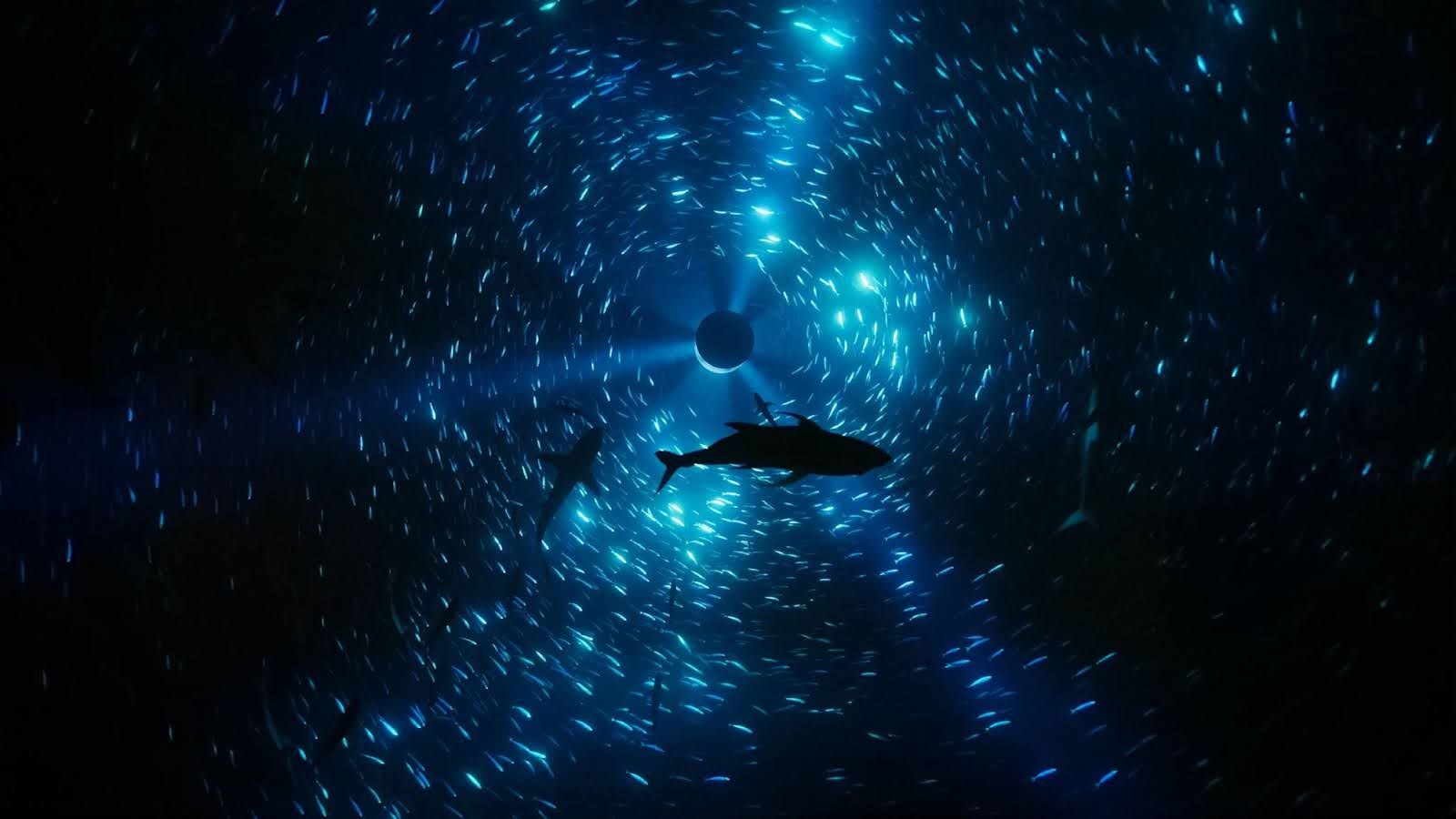 Member OnlyNov 14, 2026MOCA Grand AvenueLeadership Circle Reception and Exhibition Preview for Cecilia Vicuña, The Dream of Water: Quipu of Encounters Maricunga and Julian Charrière: Deep EndMember Event
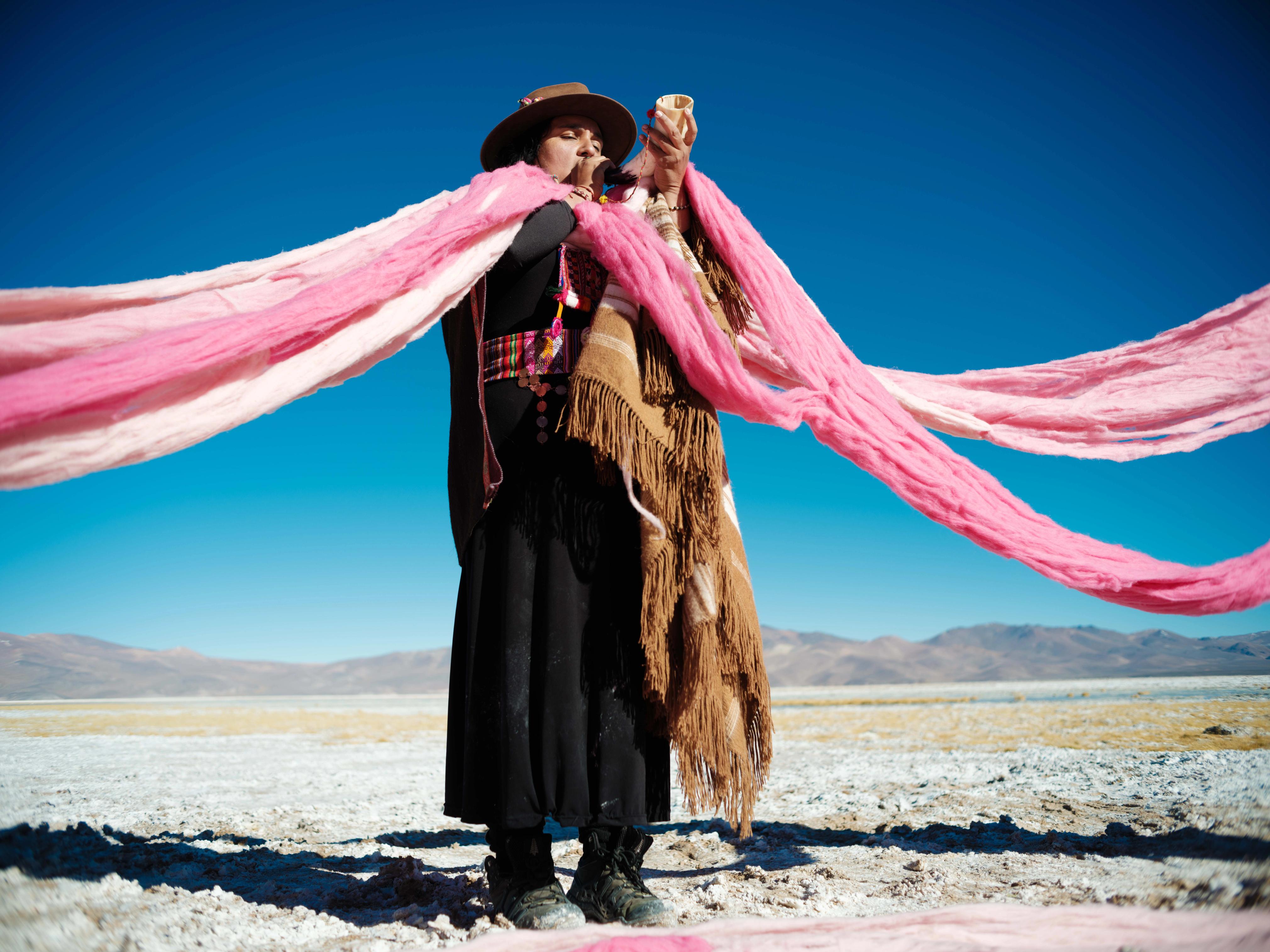 Nov 15, 2026 – June 6, 2027MOCA Grand Avenue
Cecilia Vicuña
The Dream of Water: Quipu of Encounters Maricunga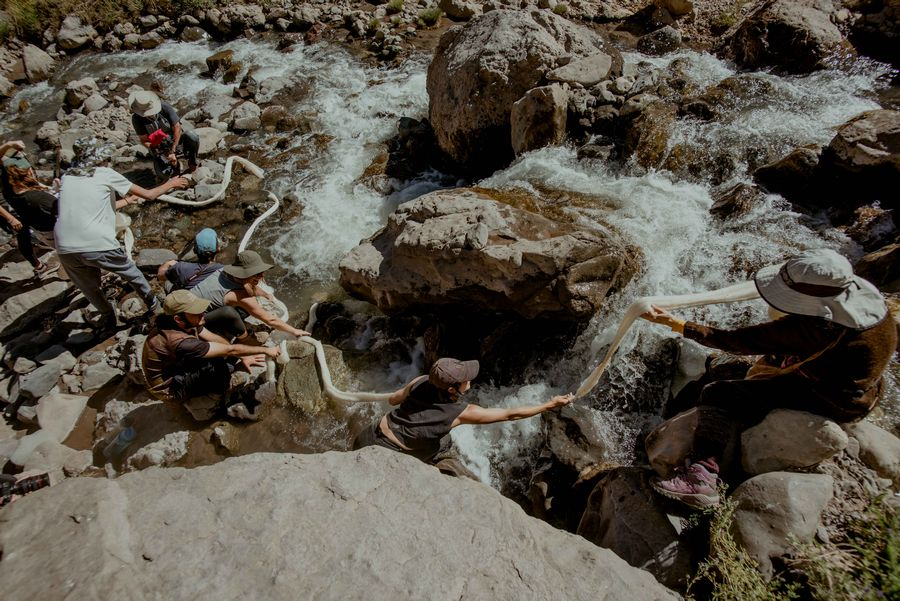 Member OnlyNov 14, 2026MOCA Grand AvenueMembers’ Opening for Cecilia Vicuña The Dream of Water: Quipu of Encounters Maricunga and Julian Charrière: Deep EndMember Event
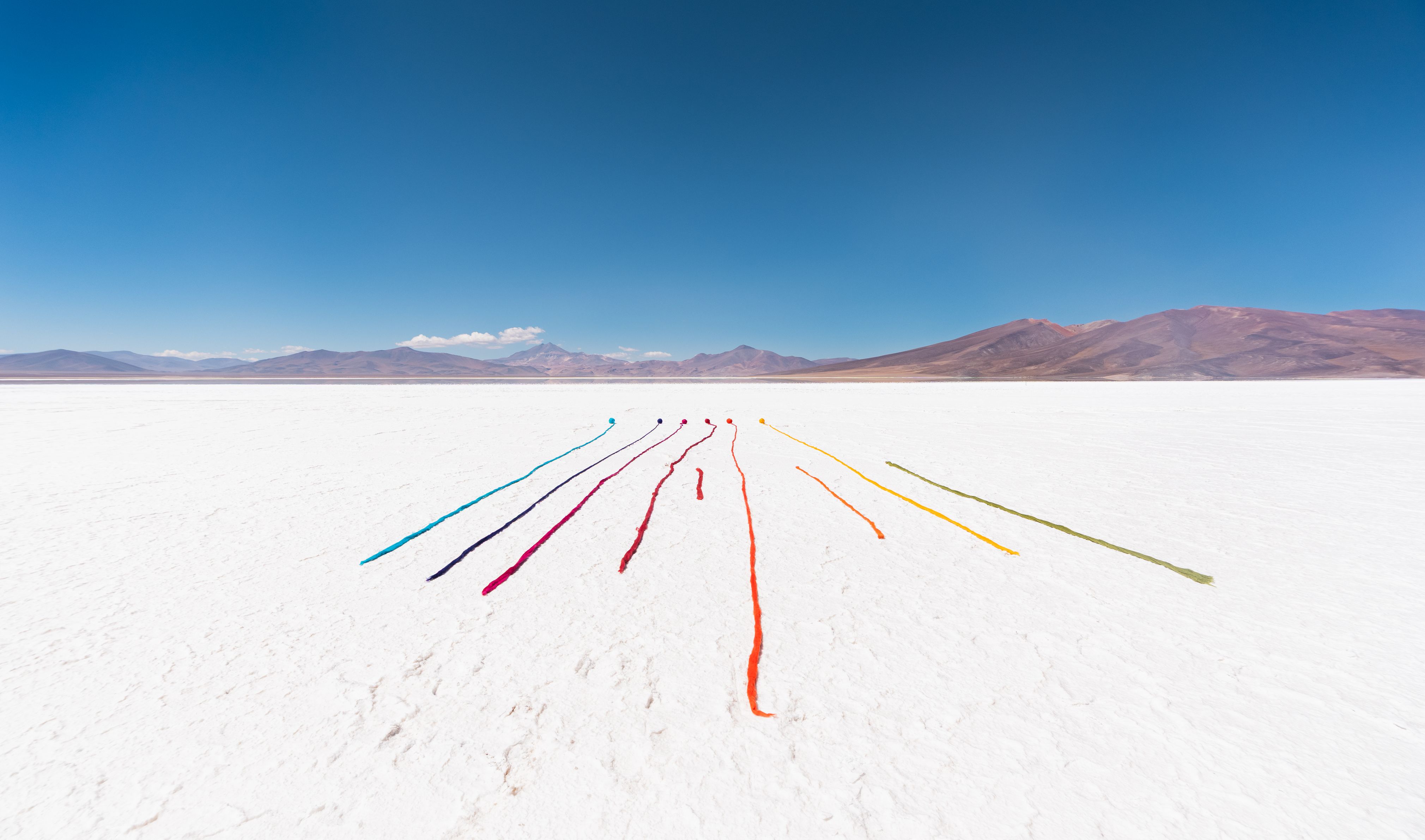 Dec 12, 202611:30am–11:30amMOCA Grand AvenueIn Session: Cecilia VicũnaConversation
This program is supported by the Nora McNeely Hurley Foundation.