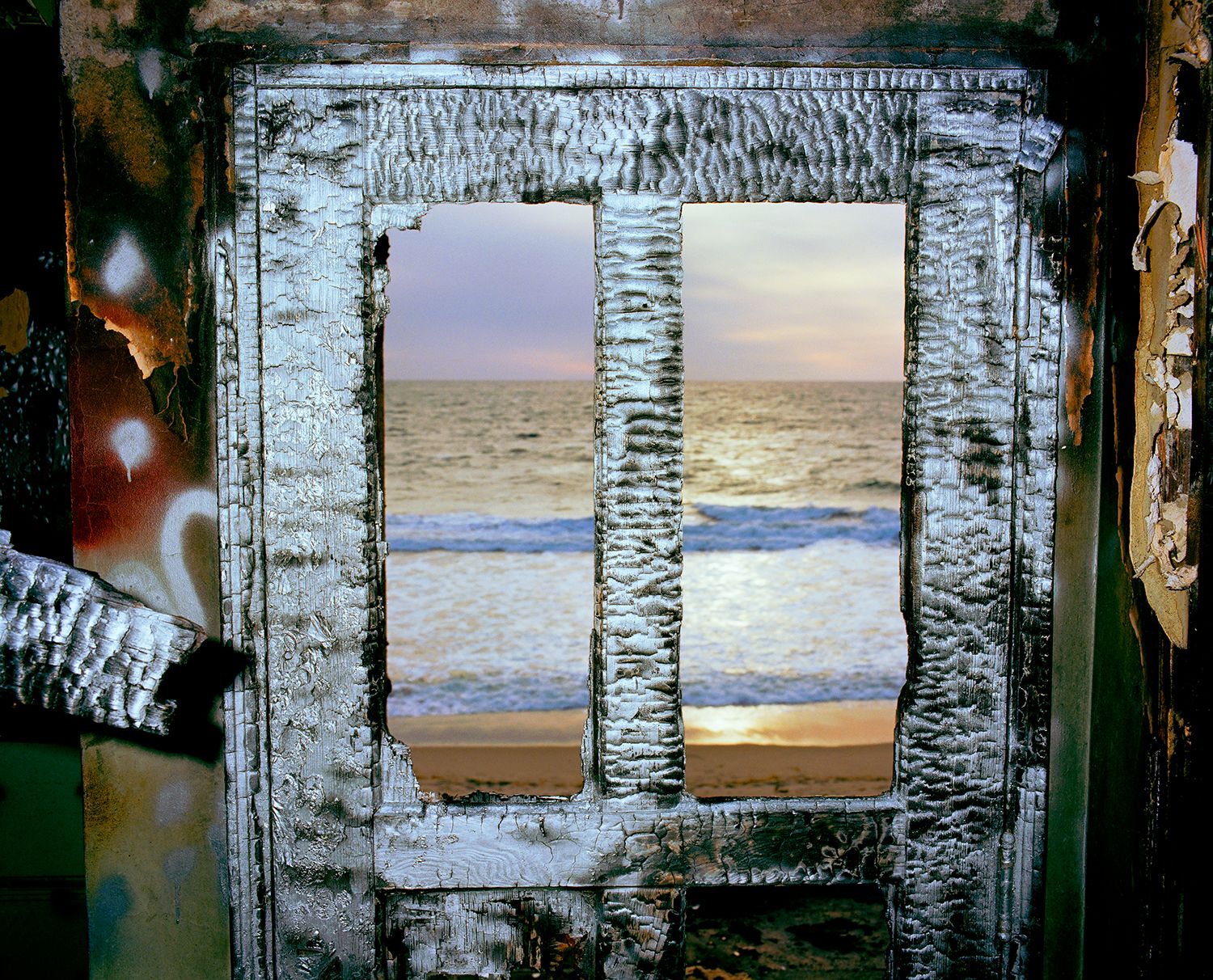
Zuma #20, 1978/2006
- Medium
- Epson pigment print on Crane silver rag paper
- Dimensions
- Paper: 24 1/8 x 30 1/8 in. (61.28 x 76.52 cm) Image: 21 x 26 in. (53.34 x 66.04 cm)
- Accession Number
- 2011.16
- Credit
The Museum of Contemporary Art, Los Angeles Partial and promised gift of Philip Greider
In his Zuma Series (1977–78), Divola repeatedly photographed an abandoned beach house in Malibu over a two-year period, framing luminous views of the Pacific Ocean through its tattered interior. During this time, he documented the structure’s gradual decay while intervening—spray-painting graffiti and rearranging objects—producing images that challenge the notion of photography as an objective record. Divola further heightened the tension between documentation and staging, fact and fiction, by combining artificial strobe light with natural light to create highly saturated images in which the exterior landscape appears both as an artificial backdrop and a natural
environment. These images, like Zuma #20, simultaneously serve as records of ecosystems’ regenerative cycles and traces of the artist’s presence.
 John DivolaN34°07.319’ W115°50.987’1995-1998/ 2011
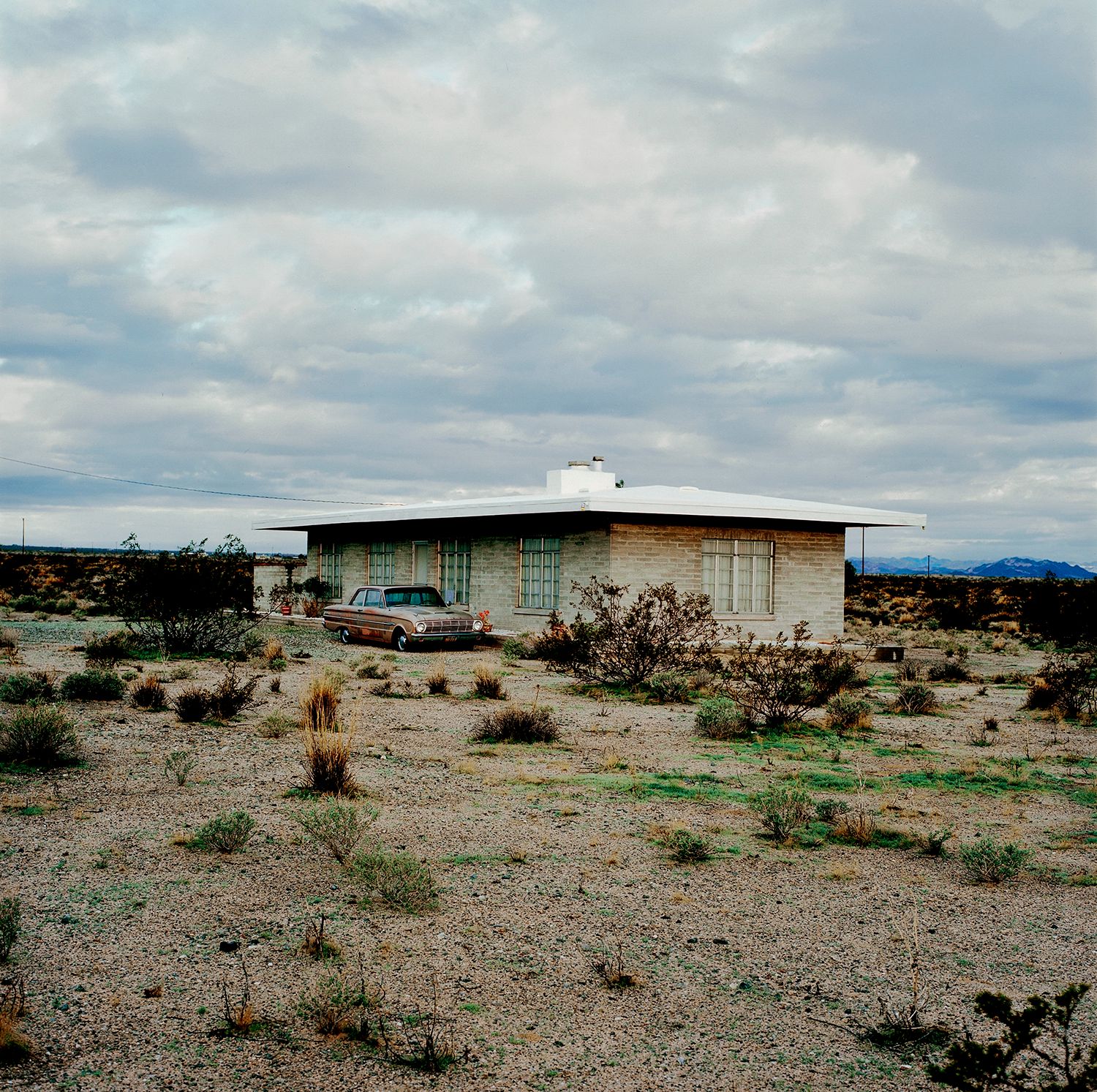 John DivolaN34°07.324’ W115°49.825’1995-1998/ 2011
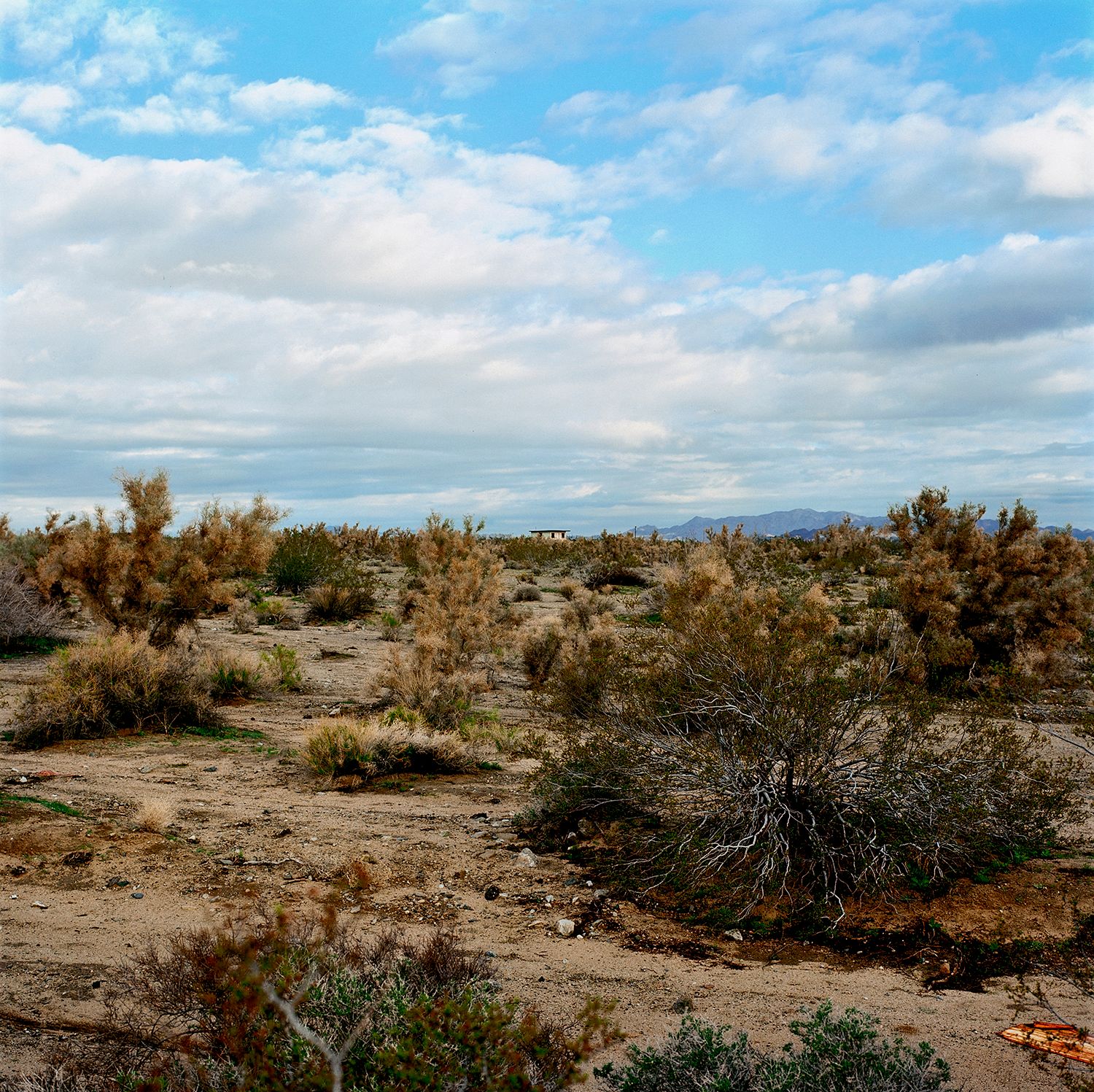 John DivolaN34°07.892’ W115°54.426’1995-1998/ 2011
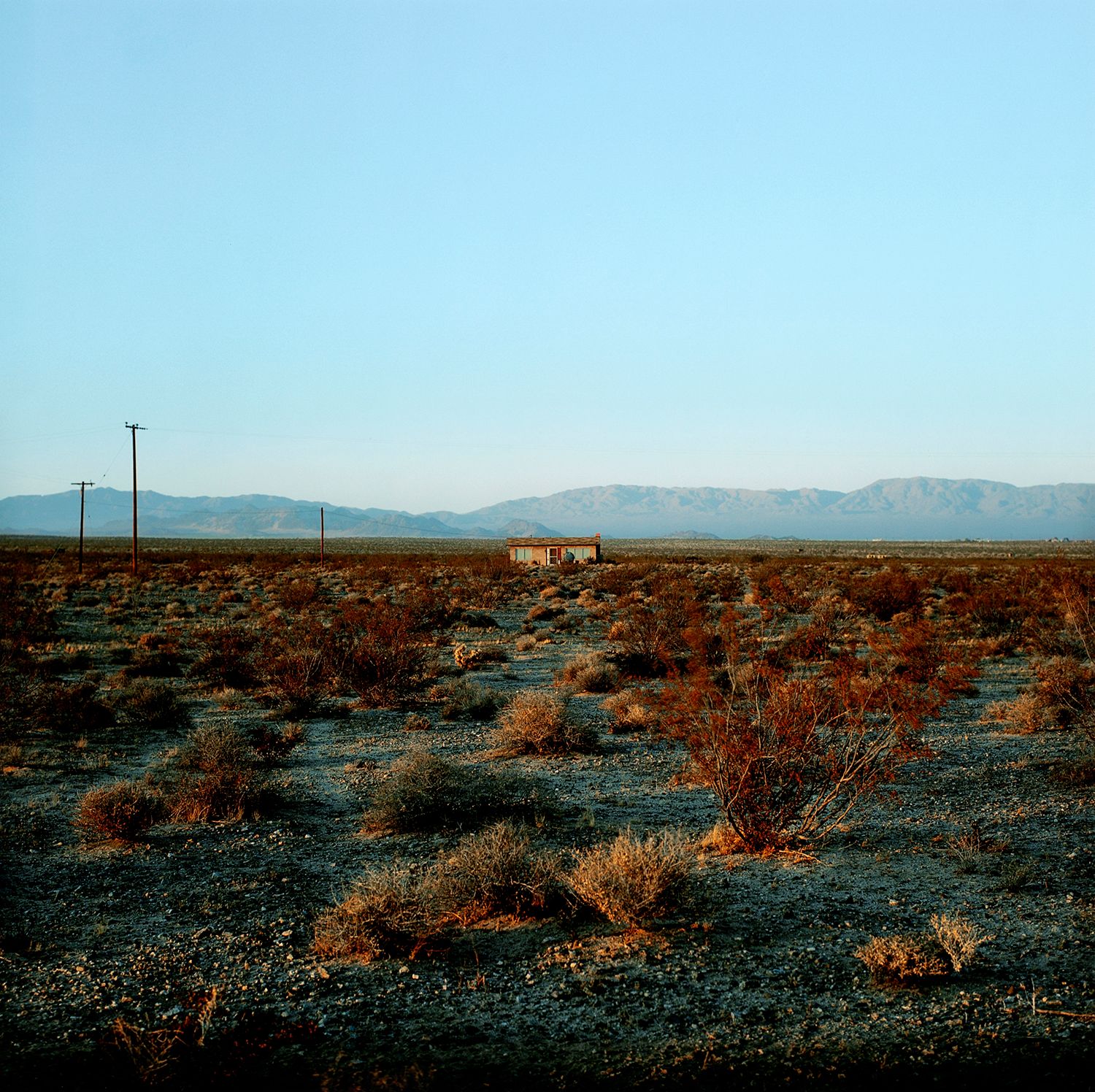 John DivolaN34°08.199’ W115°55.170’1995-1998/ 2011
 John DivolaN34°09.900’ W115°48.824’1995-1998/ 2011
 John DivolaN34°09.948’ W115°47.952’1995-1998/ 2011
 John DivolaN34°09.951’ W115°49.269’1995-1998/ 2011
 John DivolaN34°09.967’ W115°46.891’1995-1998/ 2011
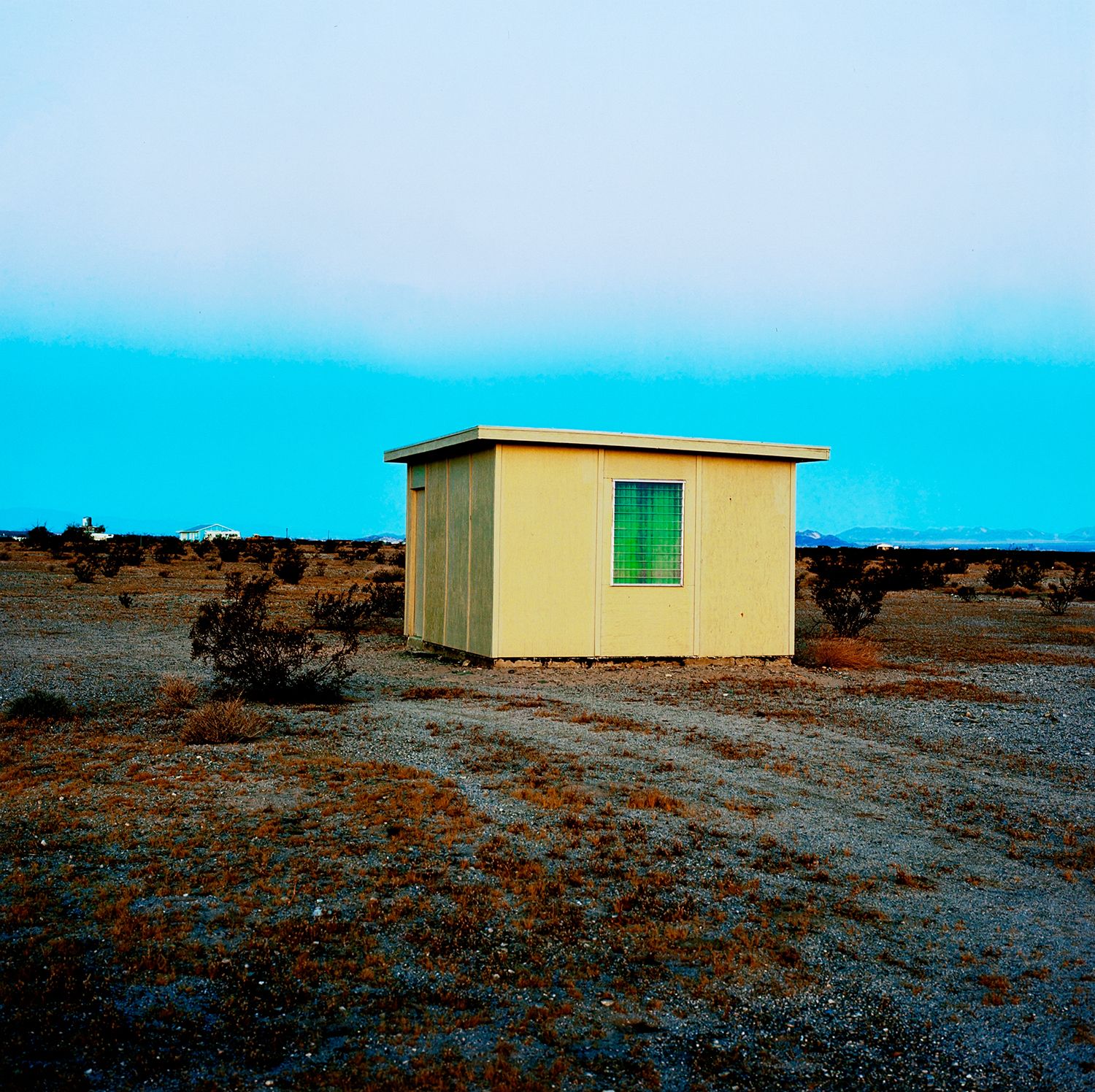 John DivolaN34°09.974’ W115°48.890’1995-1998/ 2011
 John DivolaN34°10.331’ W115°49.030’1995-1998/ 2011
 John DivolaN34°10.388’ W115°54.800’1995-1998/ 2011
 John DivolaN34°10.466’ W115°54.878’1995-1998/ 2011
 John DivolaN34°10.541’ W115°50.519’1995-1998/ 2011
 John DivolaN34°10.744’ W116°07.973’1995-1998/ 2011
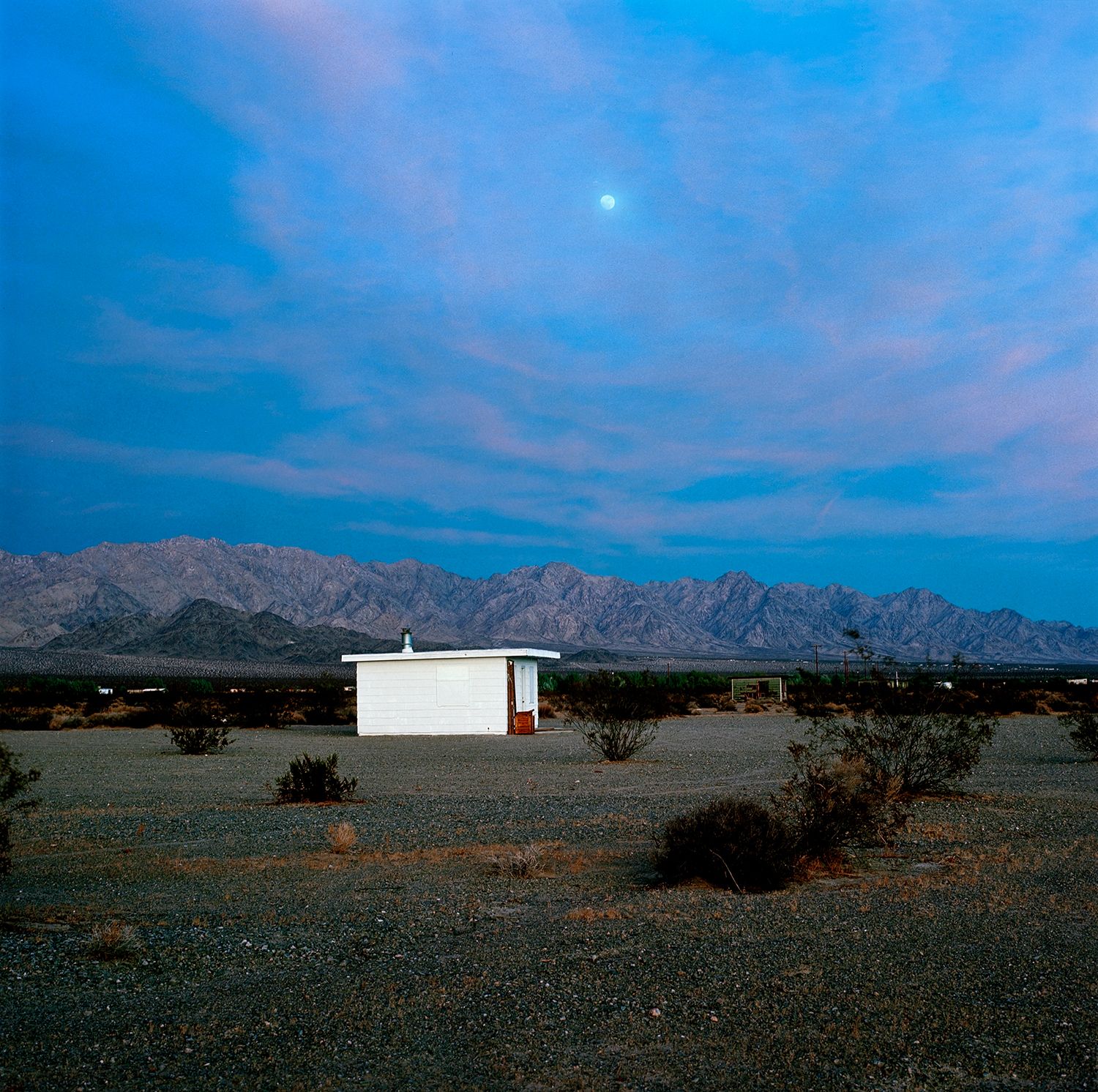 John DivolaN34°10.992’ W115°47.896’1995-1998/ 2011
 John DivolaN34°10.993’ W115°47.924’1995-1998/ 2011
 John DivolaN34°11.115’ W116°08.399’1995-1998/ 2011
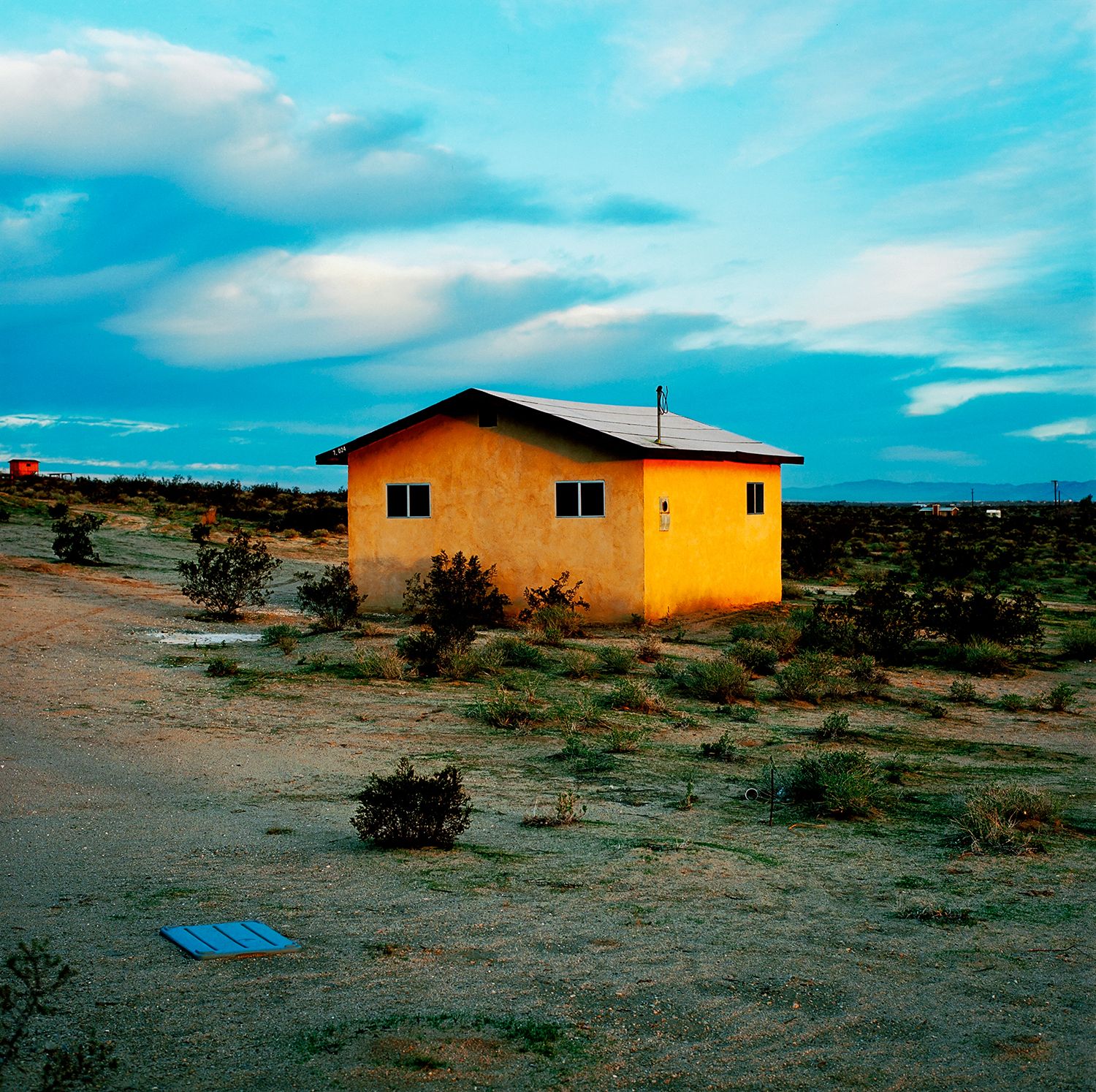 John DivolaN34°11.185’ W116°06.725’1995-1998/ 2011
 John DivolaN34°11.622’ W115°50.735’1995-1998/ 2011
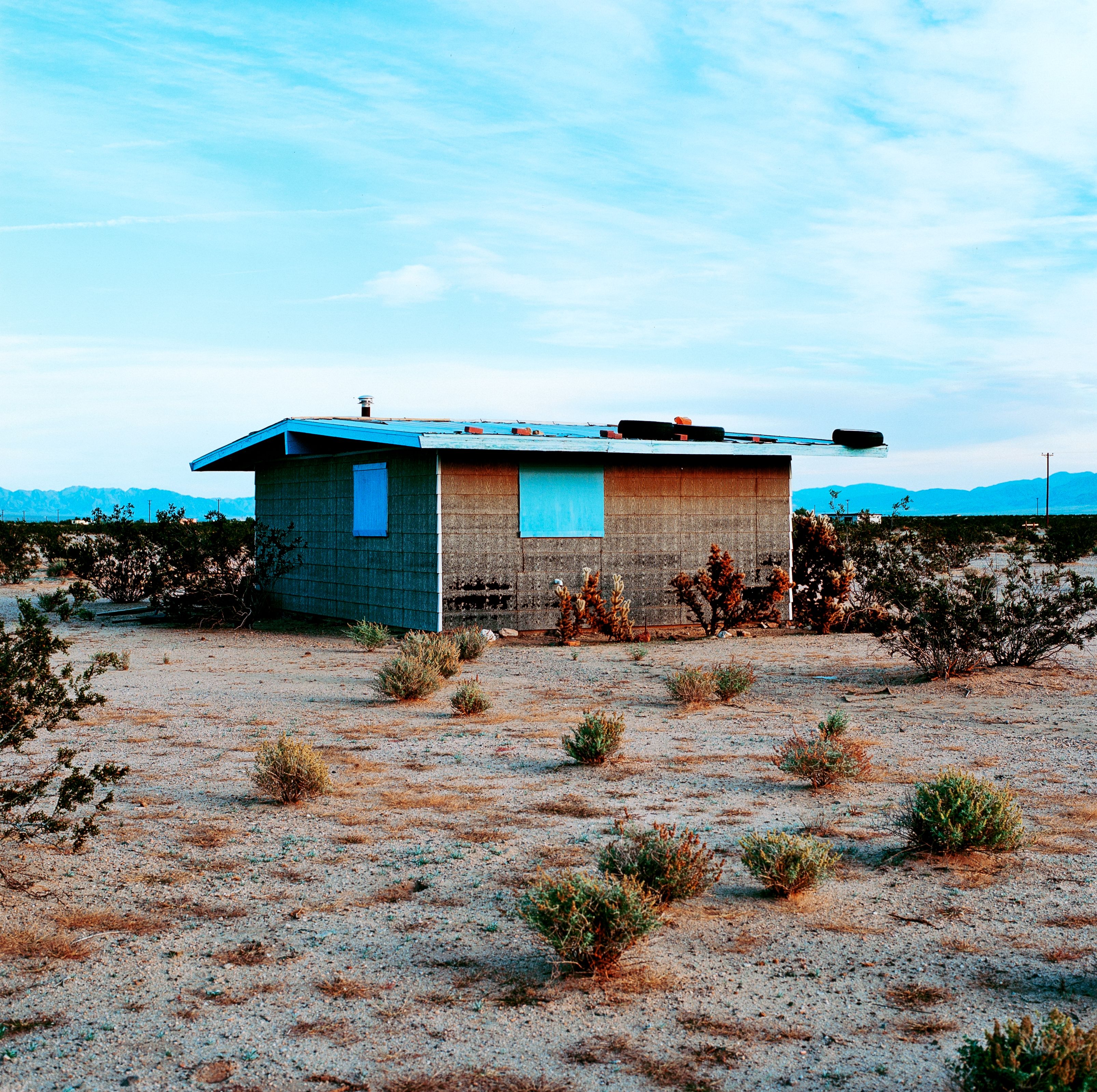 John DivolaN34°11.625’ W115°50.782’1995-1998/ 2011
 John DivolaN34°11.626’ W116°09.187’1995-1998/ 2011
 John DivolaN34°11.642’ W116°06.663’1995-1998/ 2011
 John DivolaN34°11.670’ W115°.55.347’ #21995-1998/ 2011
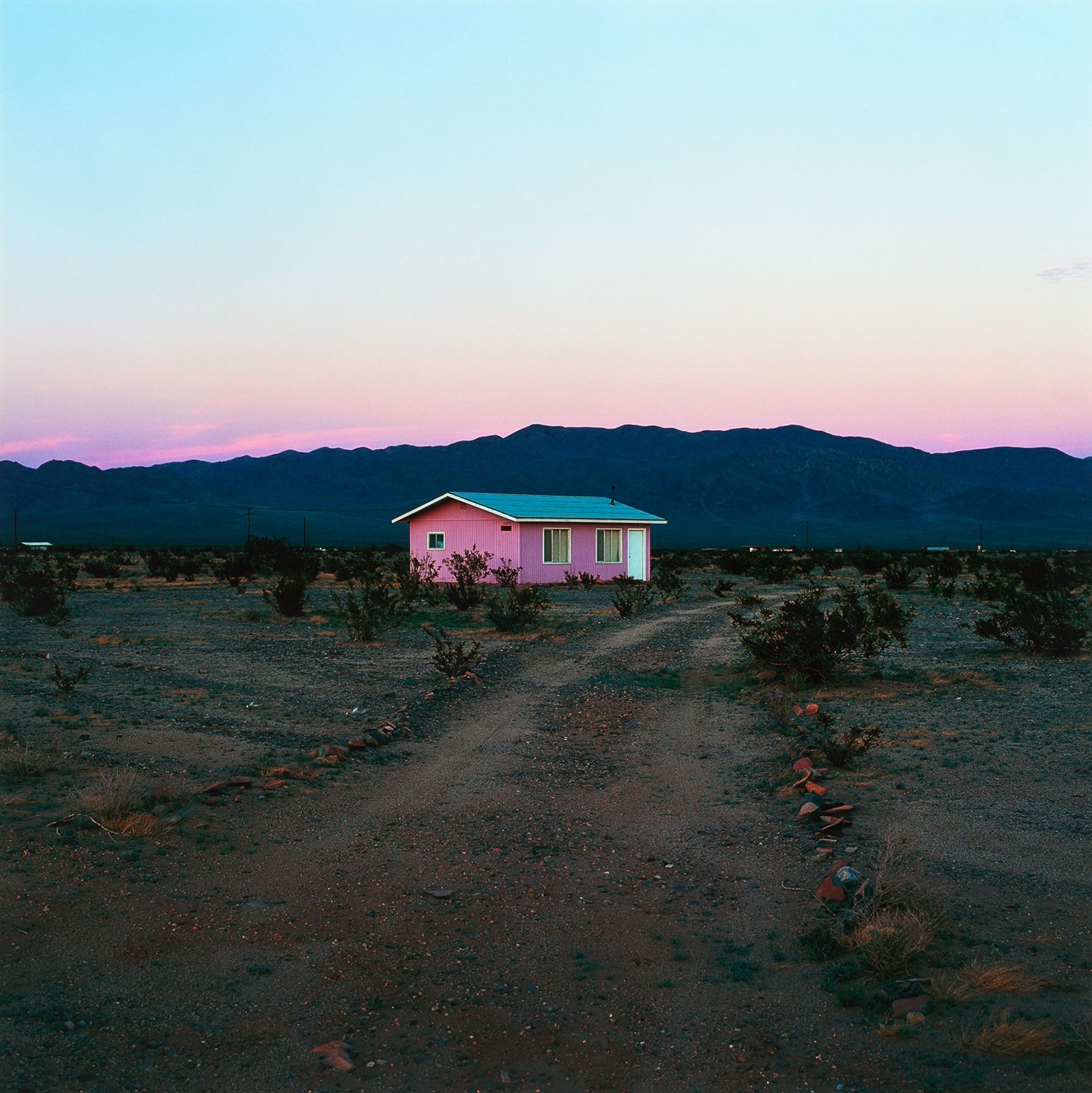 John DivolaN34°11.822’W115°50.7351995-1998/ 2011
 John DivolaN34°12.216’ W116°01.135’1995-1998/ 2011
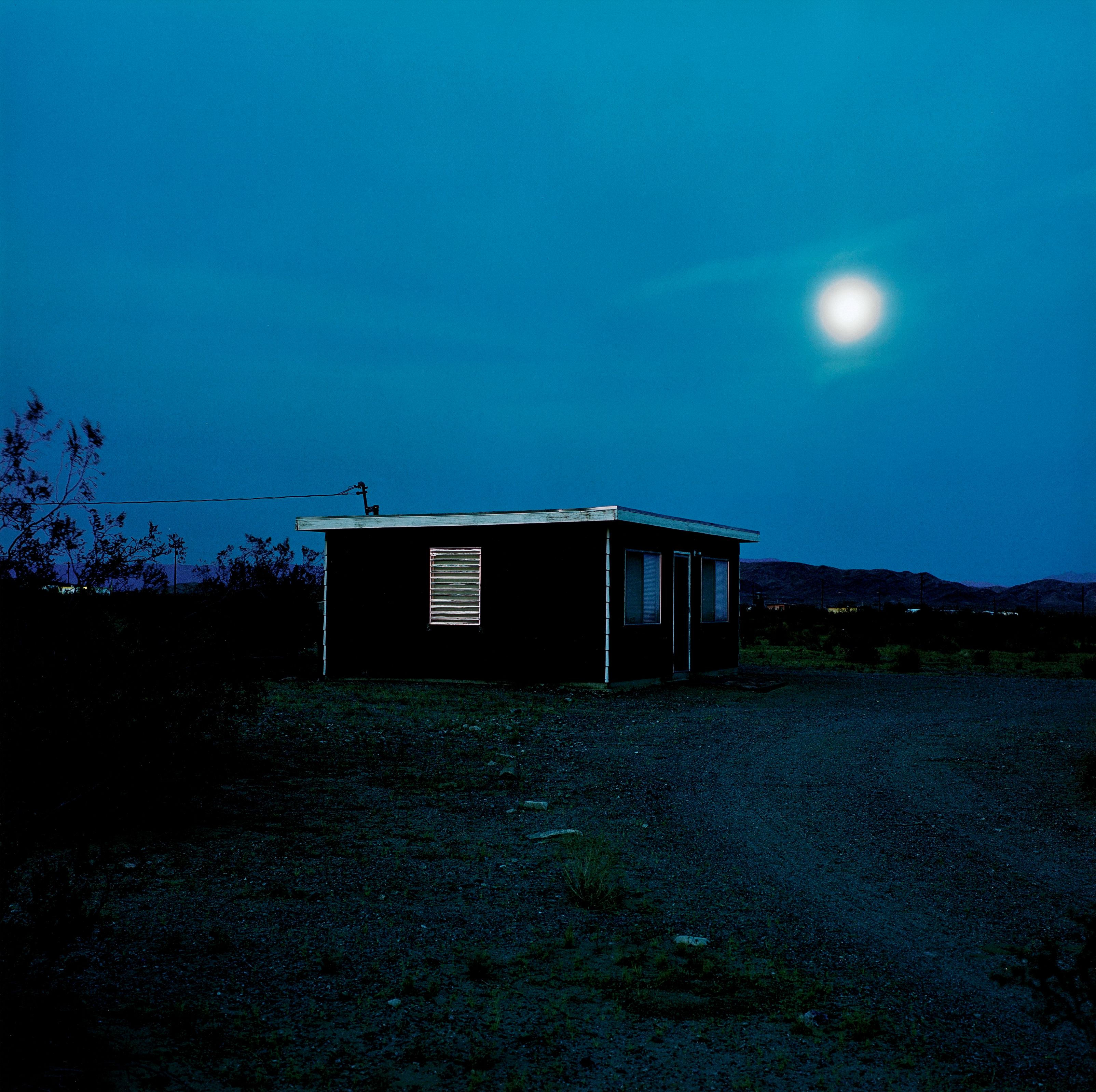 John DivolaN34°12.325’ W116°01.374’ #11995-1998/ 2011
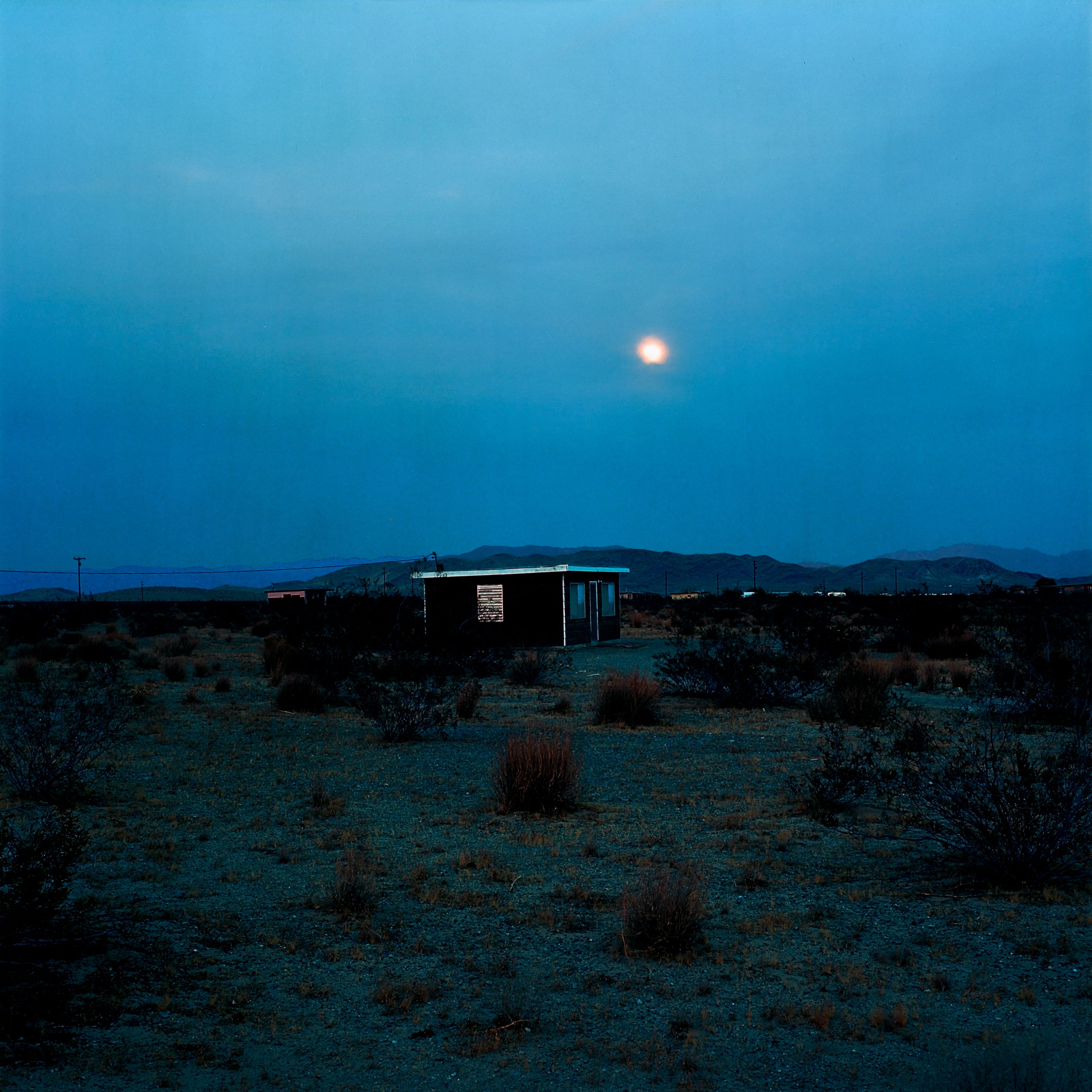 John DivolaN34°12.325’ W116°01.374’ #21995-1998/ 2011
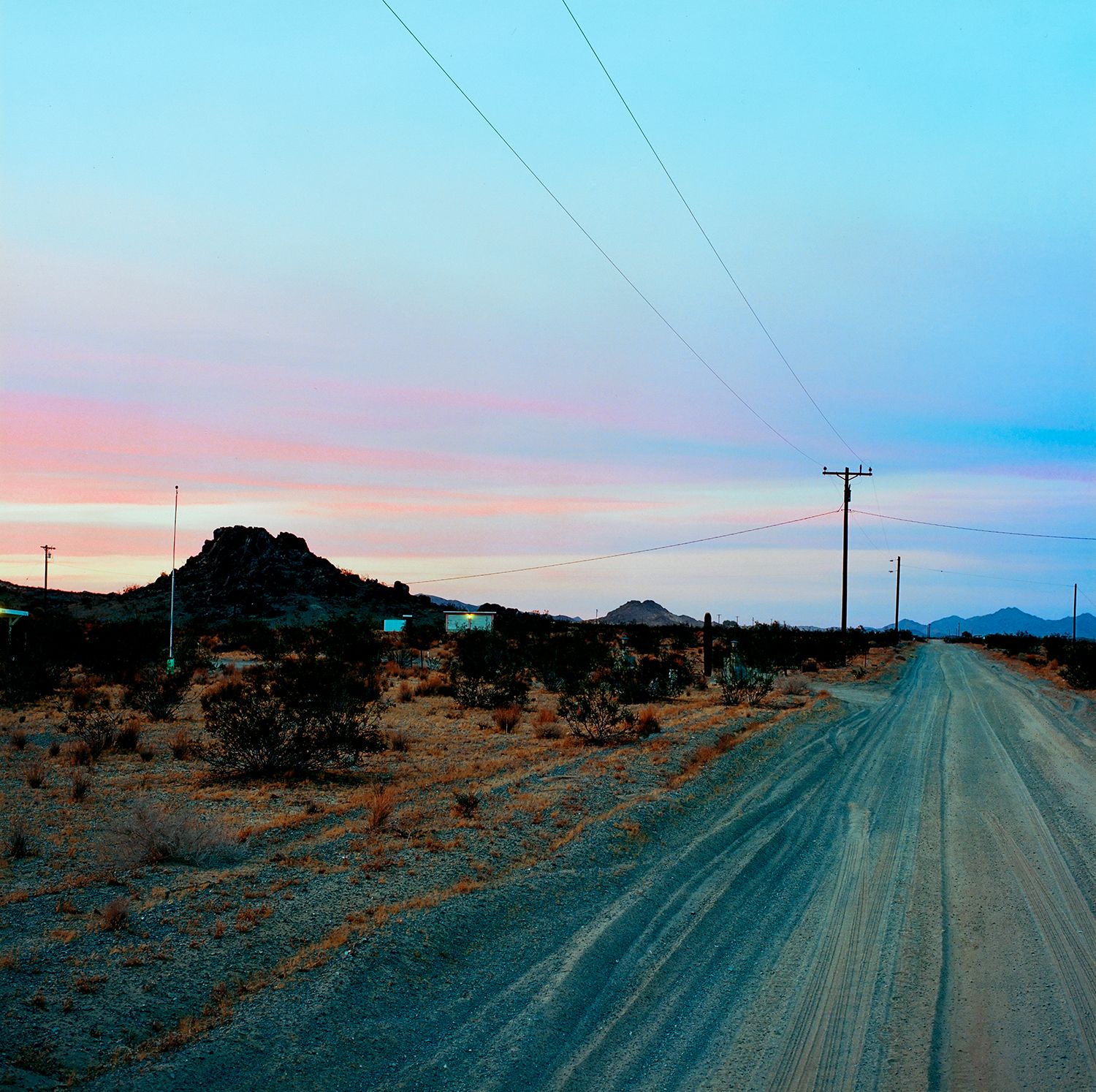 John DivolaN34°12.328’ W116°01.391’1995-1998/ 2011
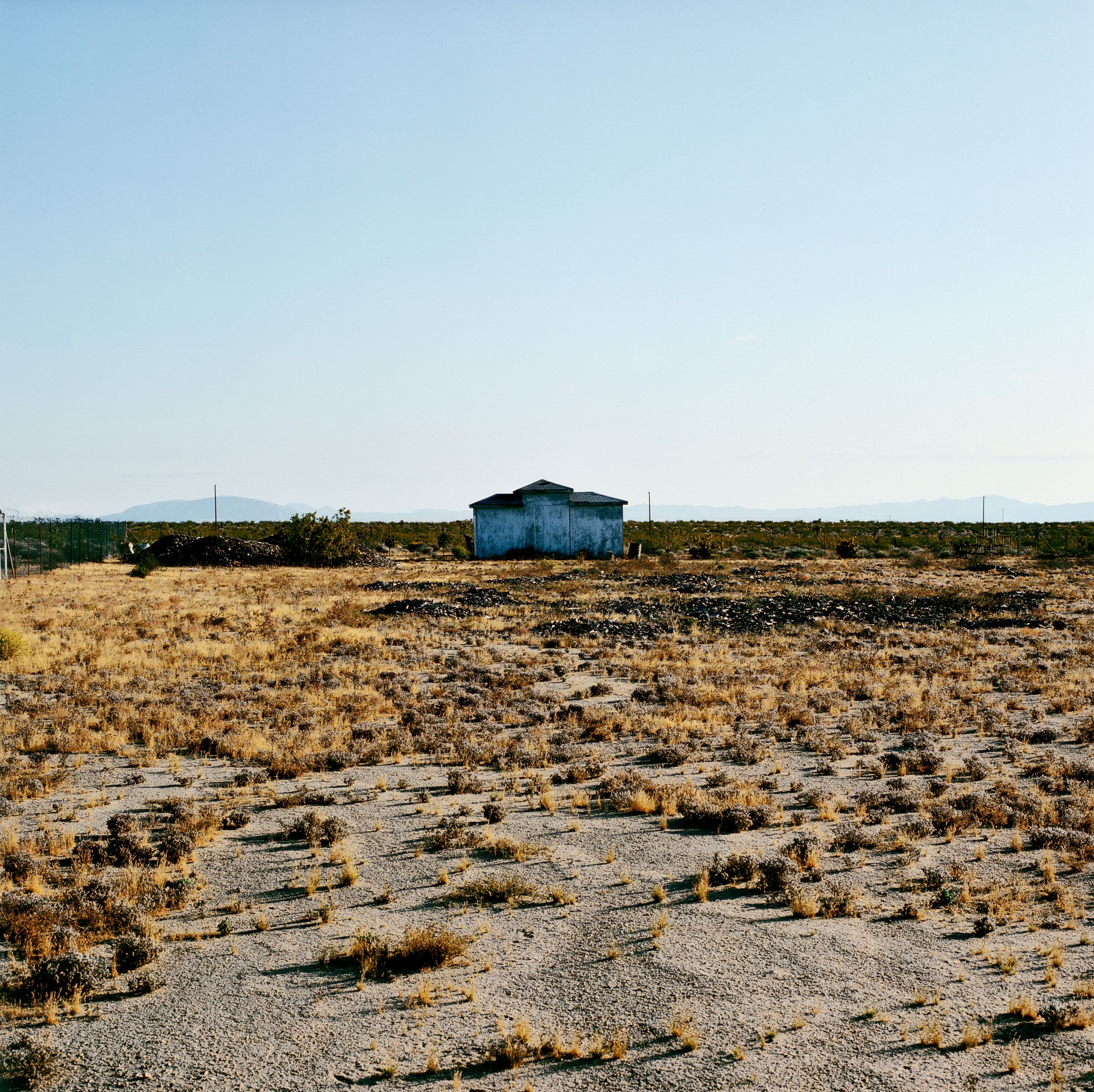 John DivolaN34°13.140’ W116°18’230’1995-1998/ 2011
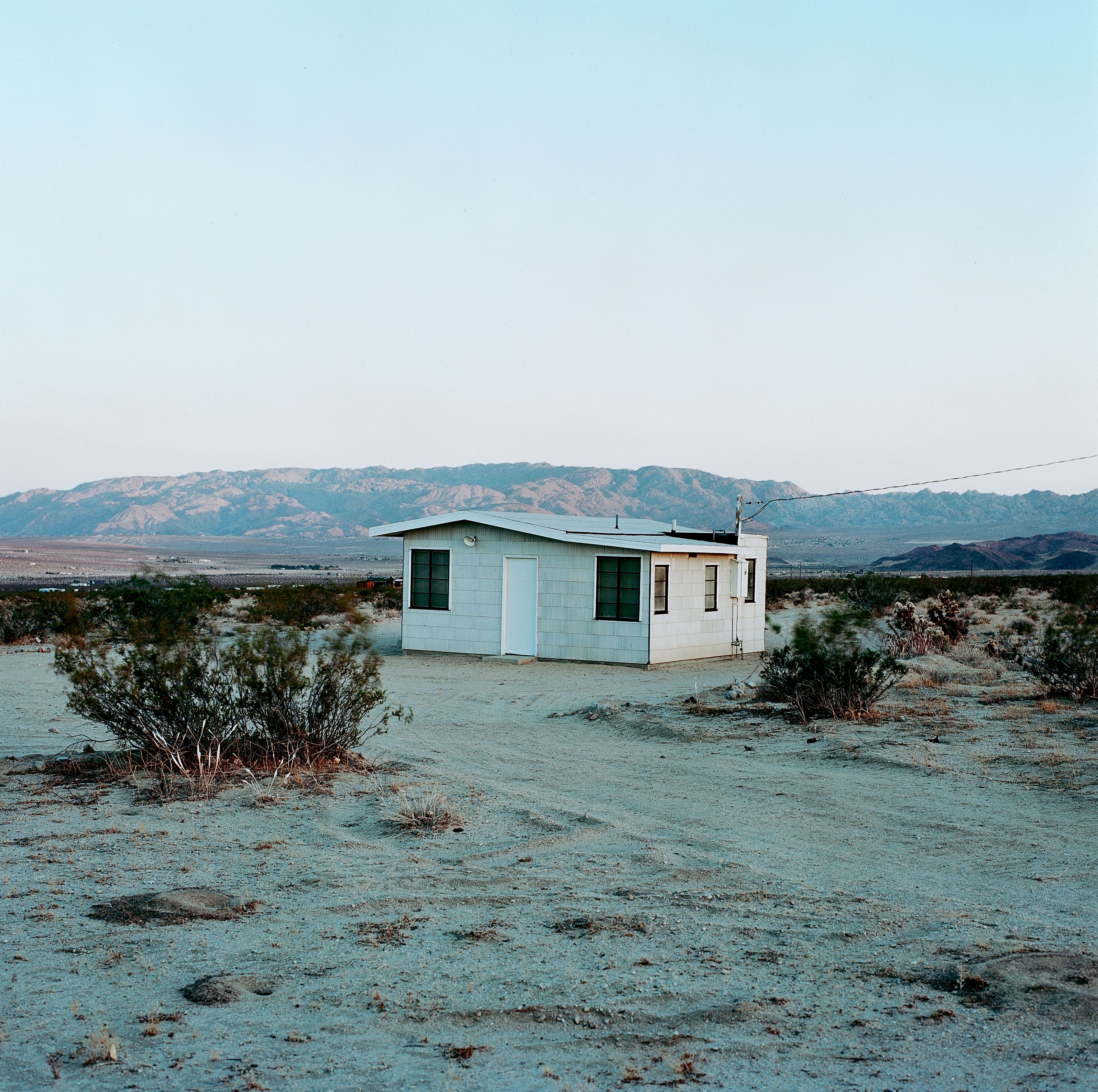 John DivolaN34°13.275’ W116°10.883’1995-1998/ 2011
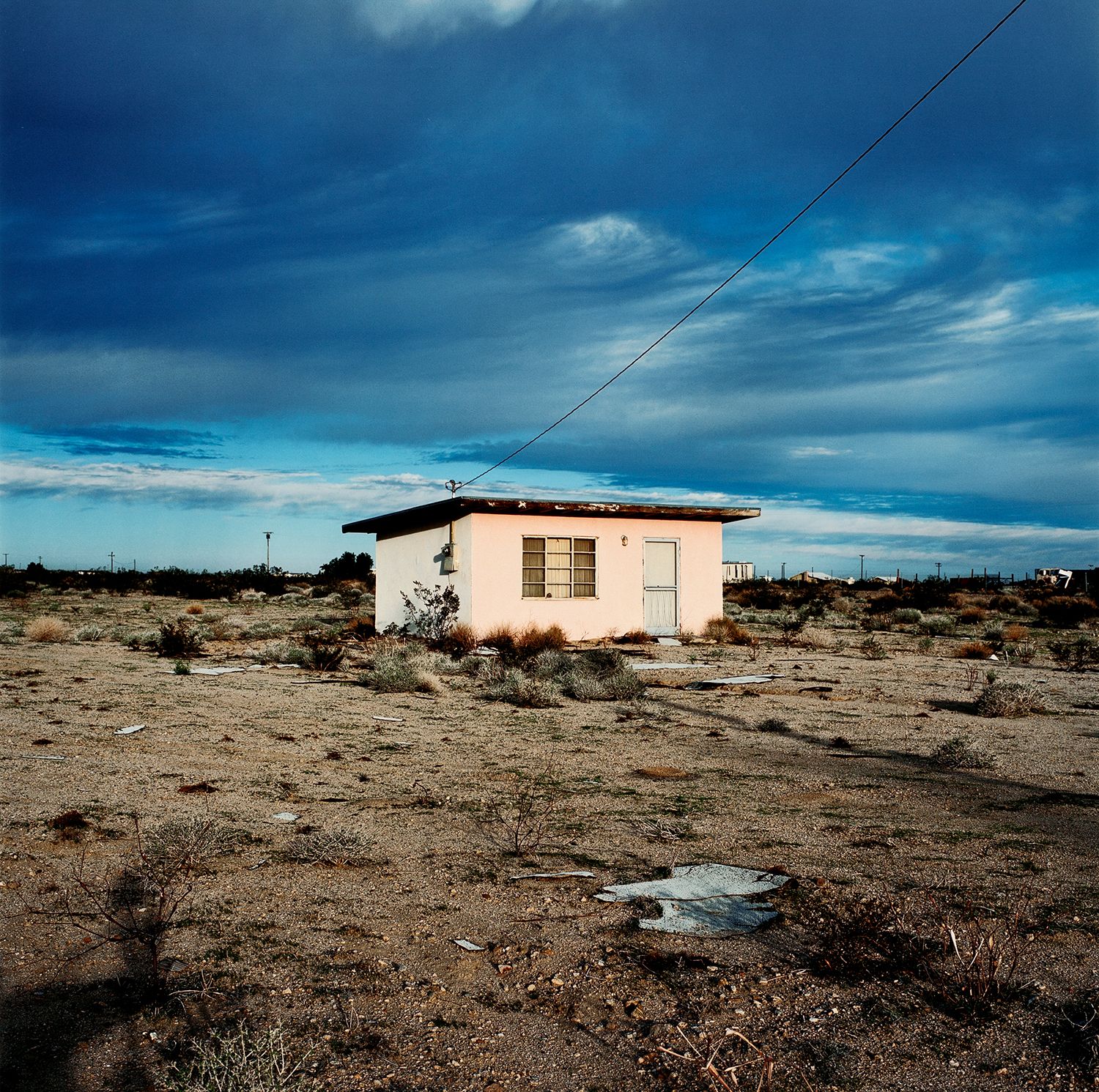 John DivolaN34°13.454’ W116°09.048’ #21995-1998/ 2011
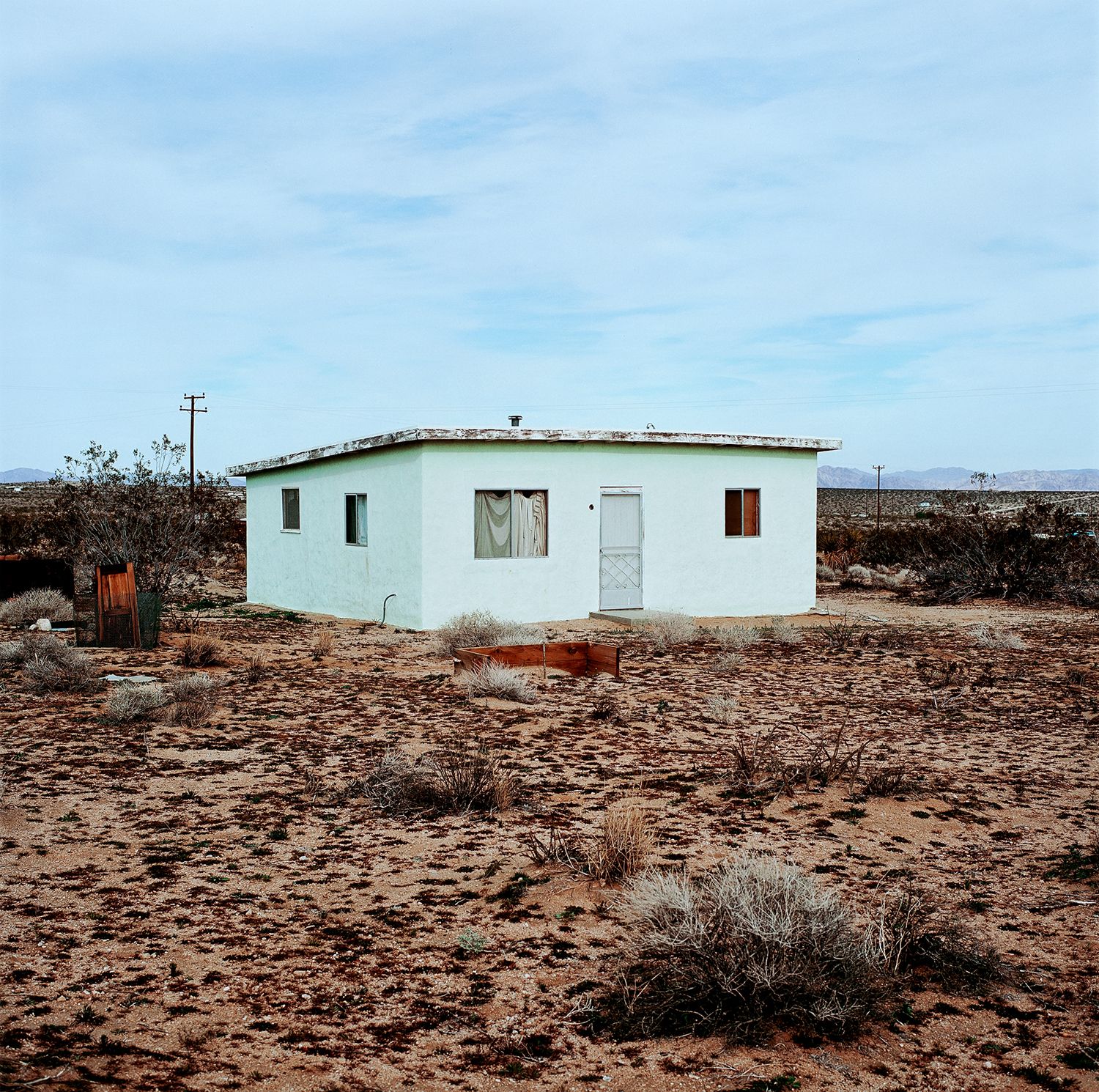 John DivolaN34°13.930’ W116°17.310’1995-1998/ 2011
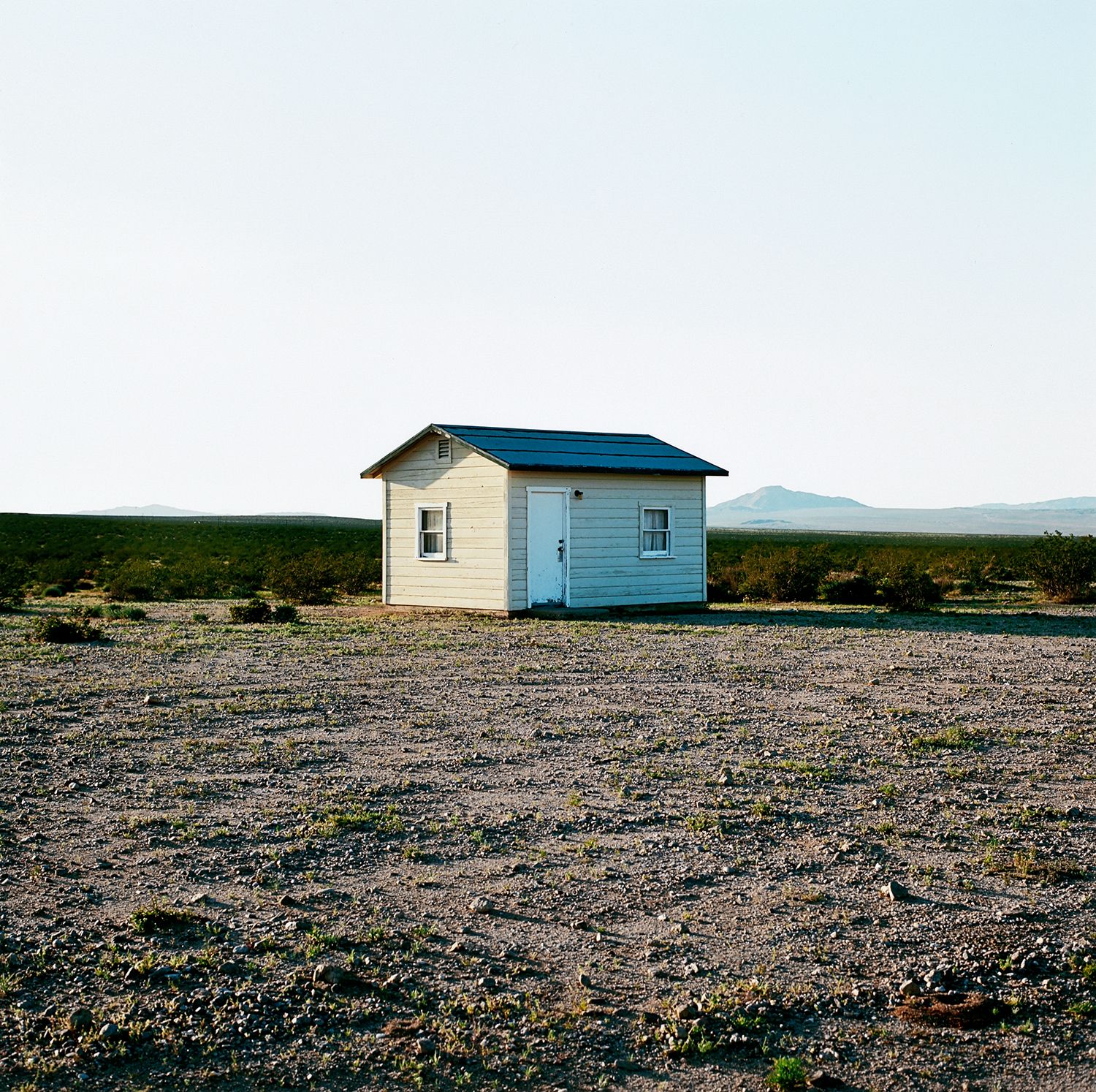 John DivolaN34°14.246’ W116°09.877’1995-1998/ 2011
 John DivolaN34°14.383’ W116°14.758’1995-1998/ 2011
![Untitled [Close up, white house, aqua trim]](https://cdn.sanity.io/images/ianh83xv/production/9c9d14f7d5775273a5cc081df8baf080cd1d176c-1500x1489.jpg?auto=format&w=4040&fit=max) John DivolaUntitled [Close up, white house, aqua trim]1995-1998/ 2011
John DivolaUntitled [Close up, white house, aqua trim]1995-1998/ 2011 John DivolaN34.07.760’ W116.10.813’1995-1998
 John DivolaWolf1983
 John DivolaZuma #251978/2006
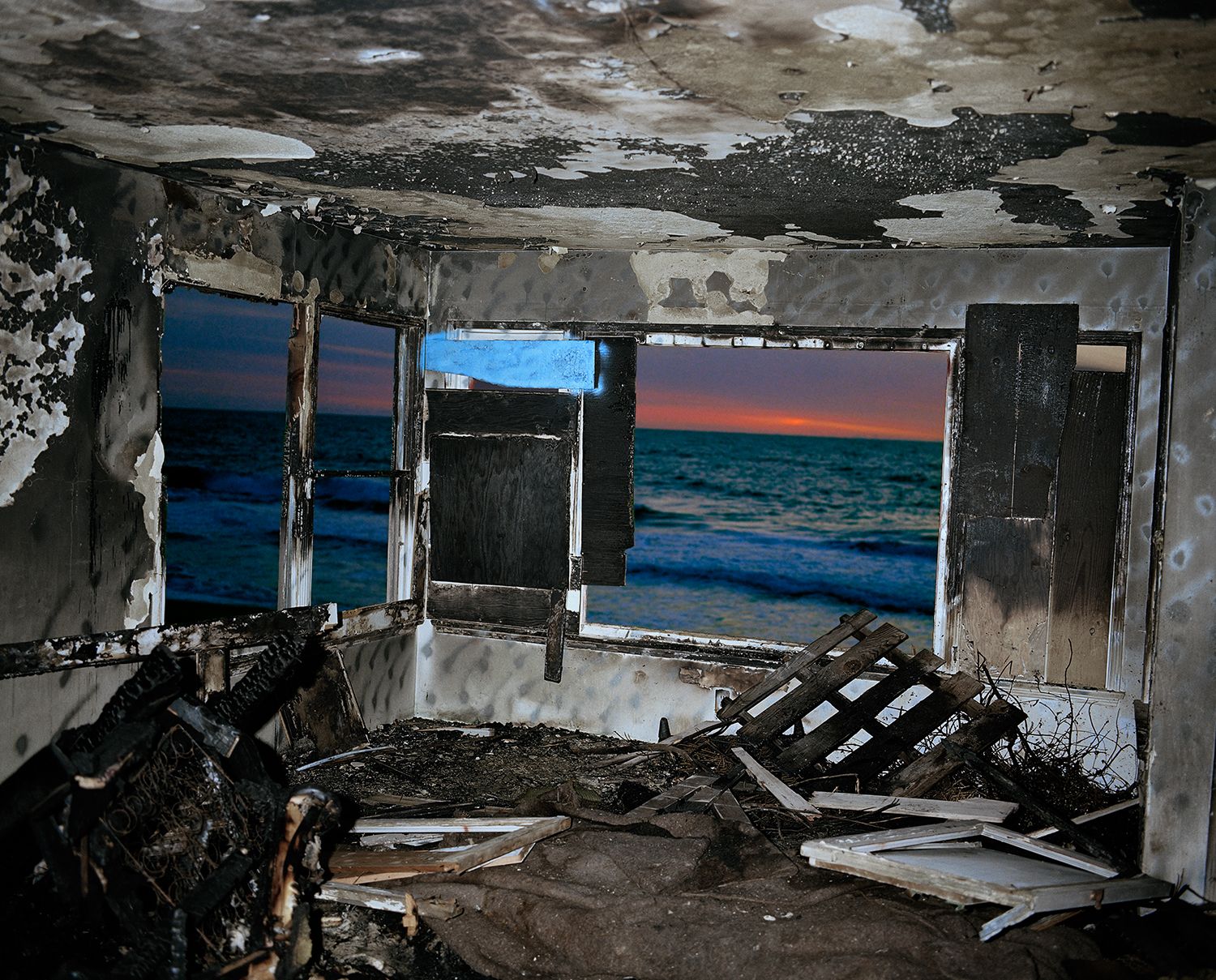 John DivolaZuma #91978/2006
 John DivolaZuma #31977/2006
 John DivolaZuma #51977/2006
 John DivolaZuma #81977/2006