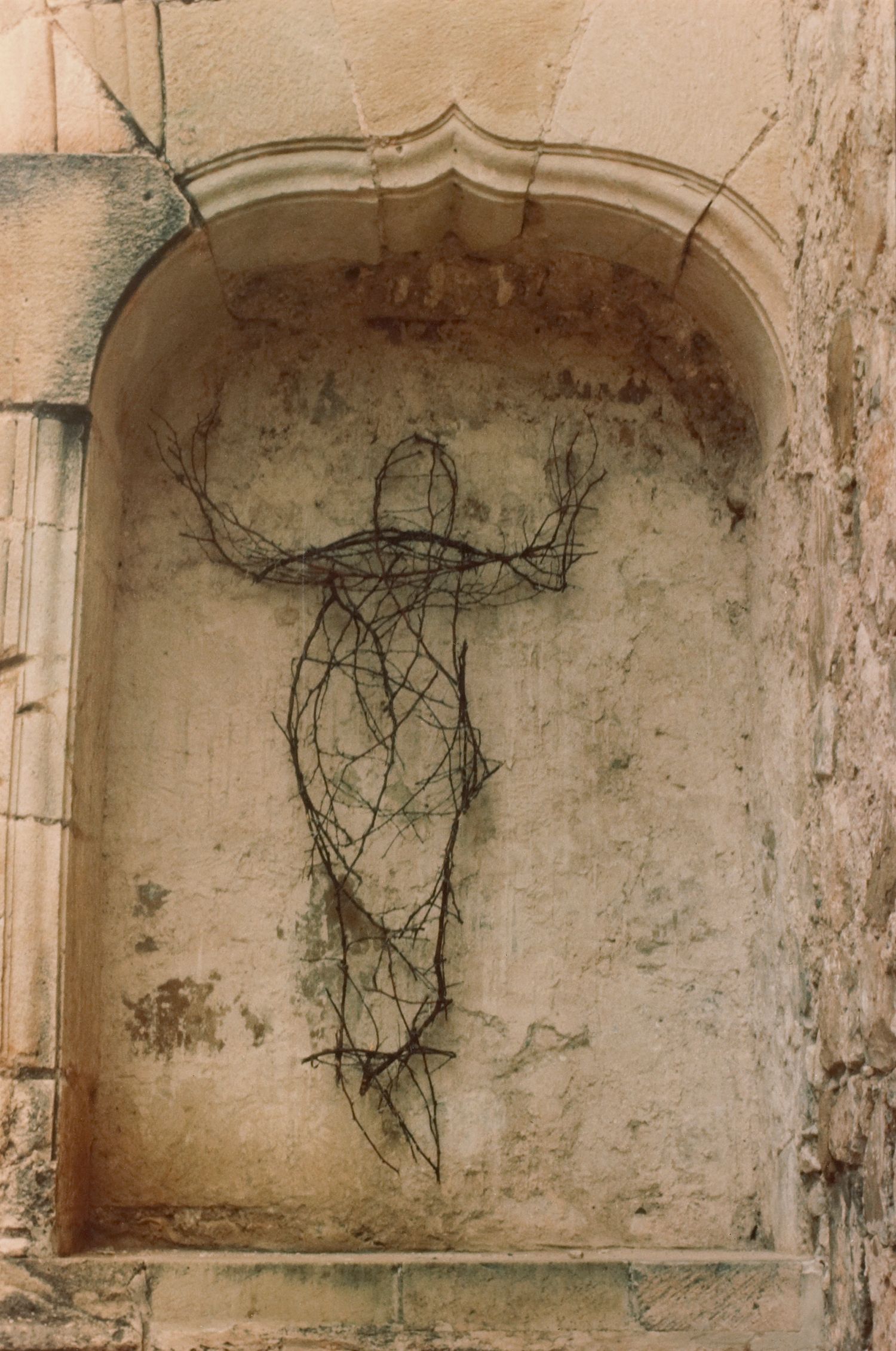
Silueta Works in Mexico, 1973-1977 (estate print 1991)
- Medium
- Color photograph
- Dimensions
- Frame: 26 3/8 x 19 7/8 x 1 in. (66.99 x 50.48 x 2.54 cm) Image: 19 3/8 x 12 7/8 in. (49.21 x 32.7 cm)
- Accession Number
- 97.119.5
- Credit
The Museum of Contemporary Art, Los Angeles
Purchase with a grant provided by The Judith Rothschild Foundation
In
her series of Siluetas, or “silhouettes,” Ana Mendieta recorded in various ways
the presence of her body in Mexico’s Oaxaca Valley. Unlike many land art pieces
of the period, Mendieta’s private performances and landscape interventions were
temporary, surviving only in the photographs that document them. She arrived in
the United States at the age of twelve, in exile from Cuba, unaccompanied by her
parents, and spent her adolescence in orphanages and foster homes. Torn away
from her homeland, Mendieta felt “cast from the womb (nature).” She conjured up
ancient goddess and fertility archetypes in her art in order to reconnect to
Mother Earth. The woman lying in a pre-Hispanic tomb appearing to sprout
flowers, the effigy created from burned twigs in a colonial basilica niche, the
body imprinted on a bedsheet with blood-colored paint—all are simultaneously
symbols of universal womanhood and iterations of an individual displaced
Latina.
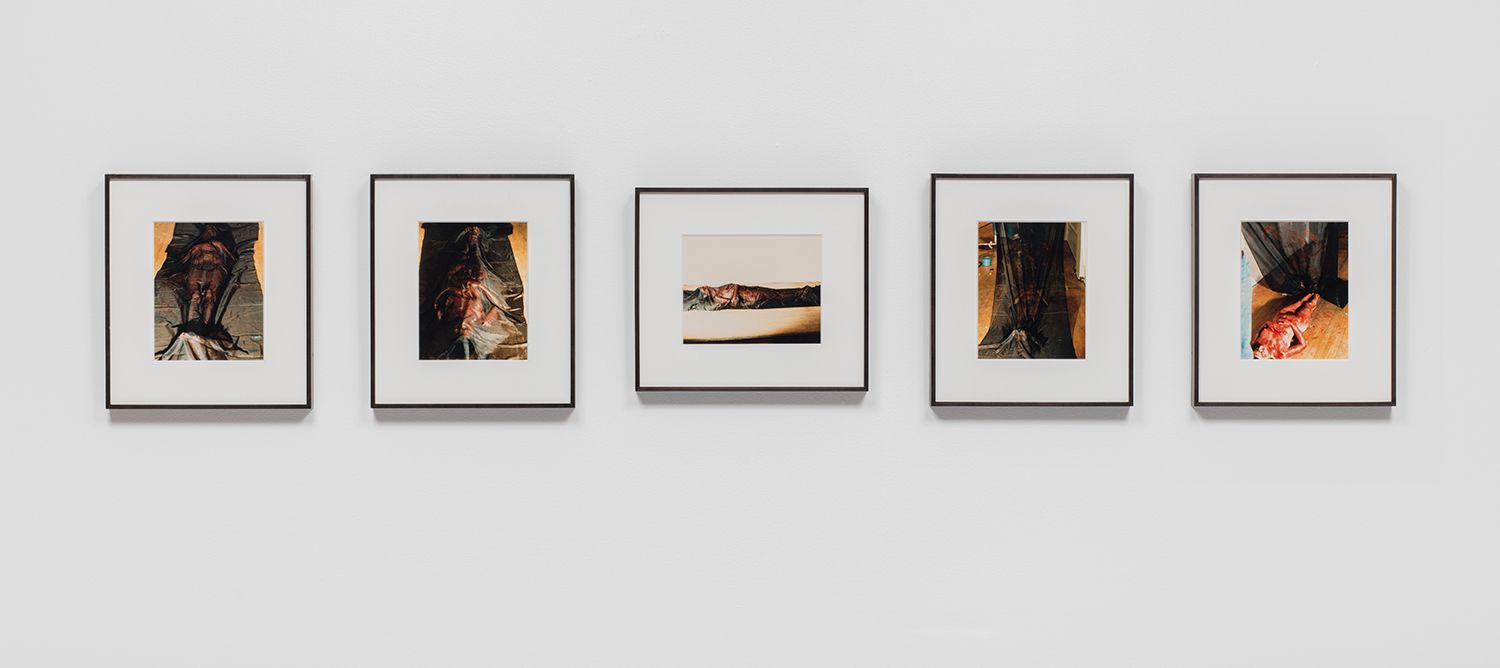 Ana MendietaUntitled (Body Print)1974 (estate print 1997)
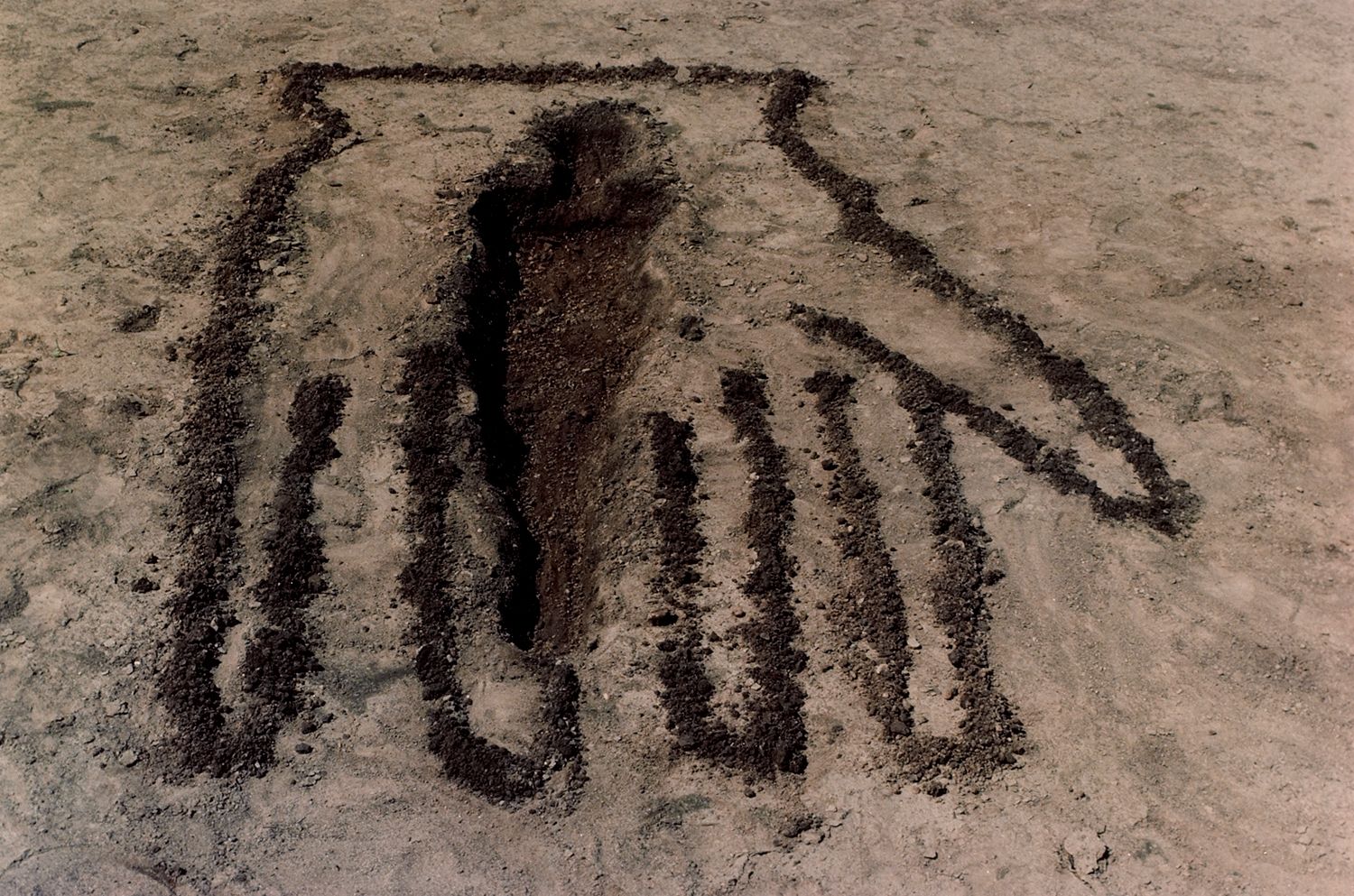 Ana MendietaSilueta Works in Mexico1973-1977 (estate print 1991)
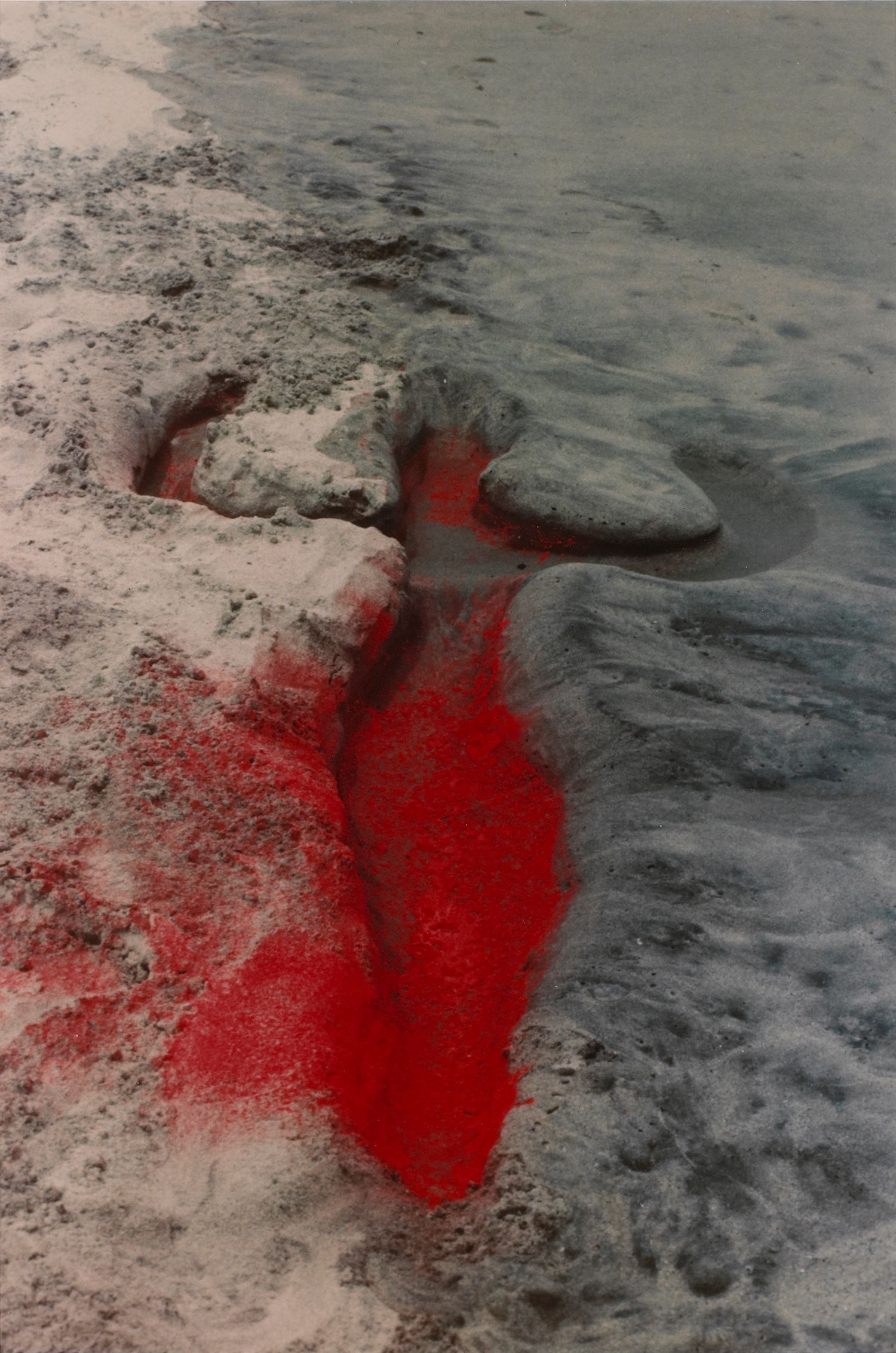 Ana MendietaSilueta Works in Mexico1973-1977 (estate print 1991)
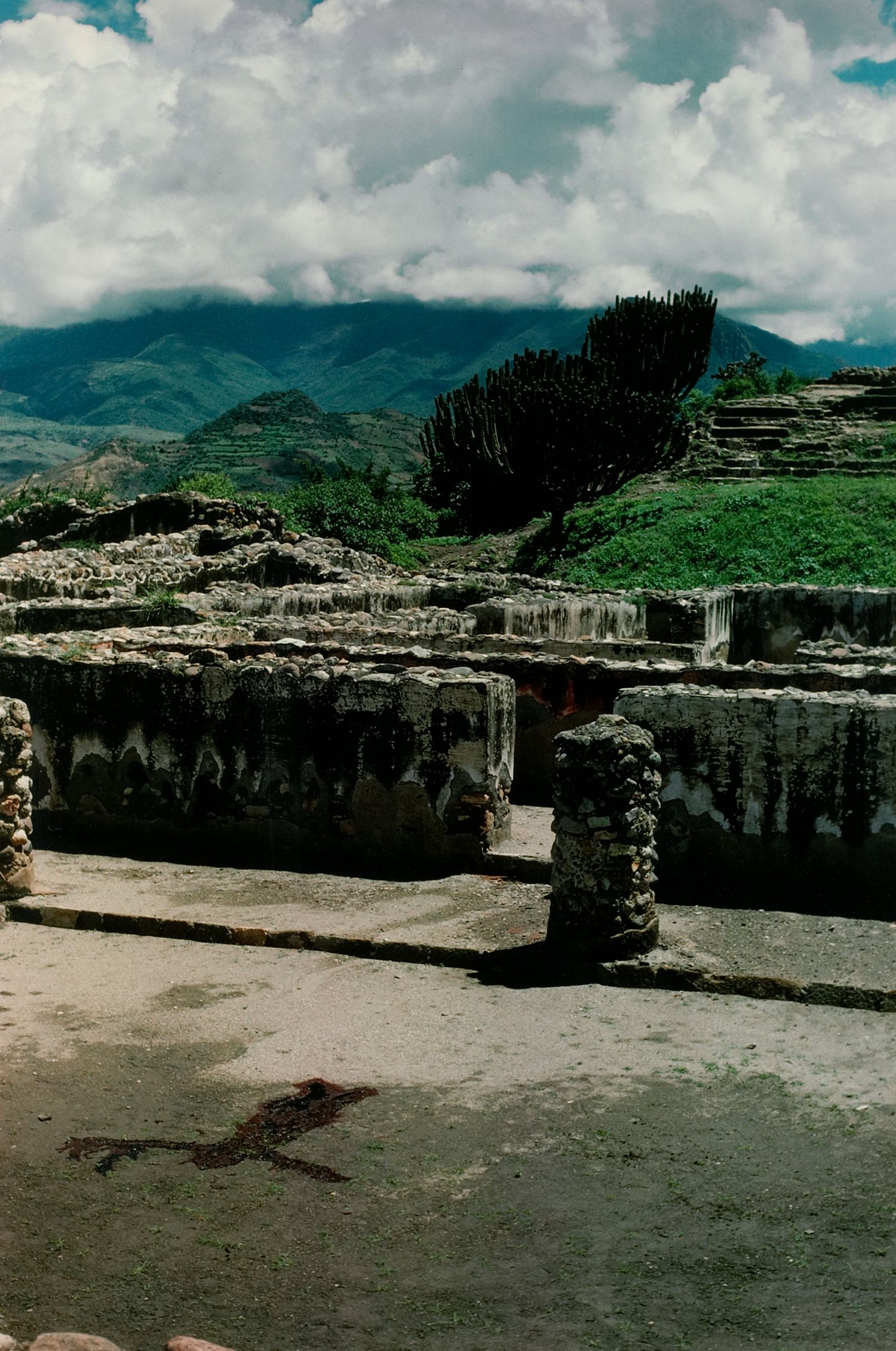 Ana MendietaSilueta Works in Mexico1973-1977 (estate print 1991)
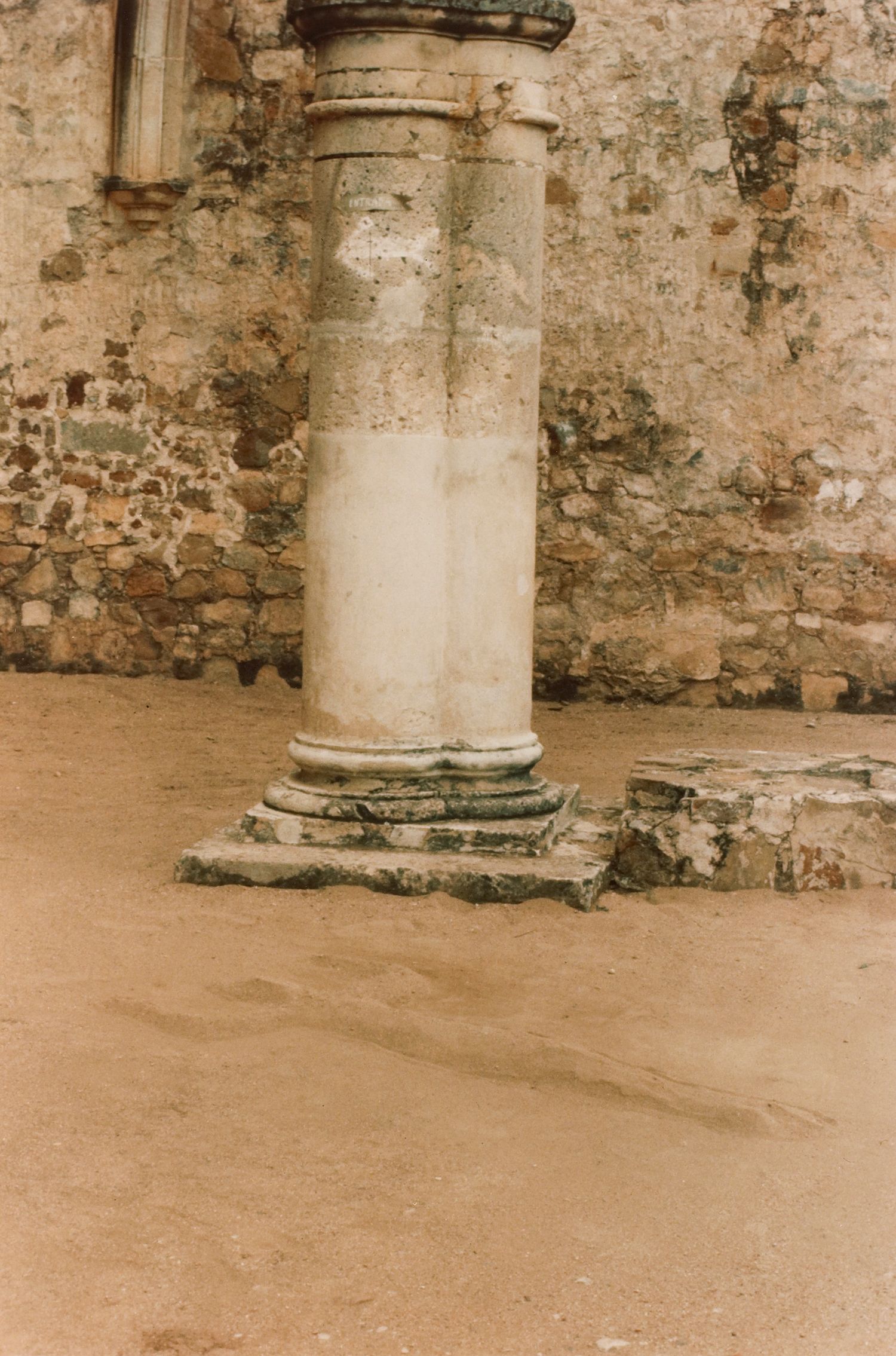 Ana MendietaSilueta Works in Mexico1973-1977 (estate print 1991)
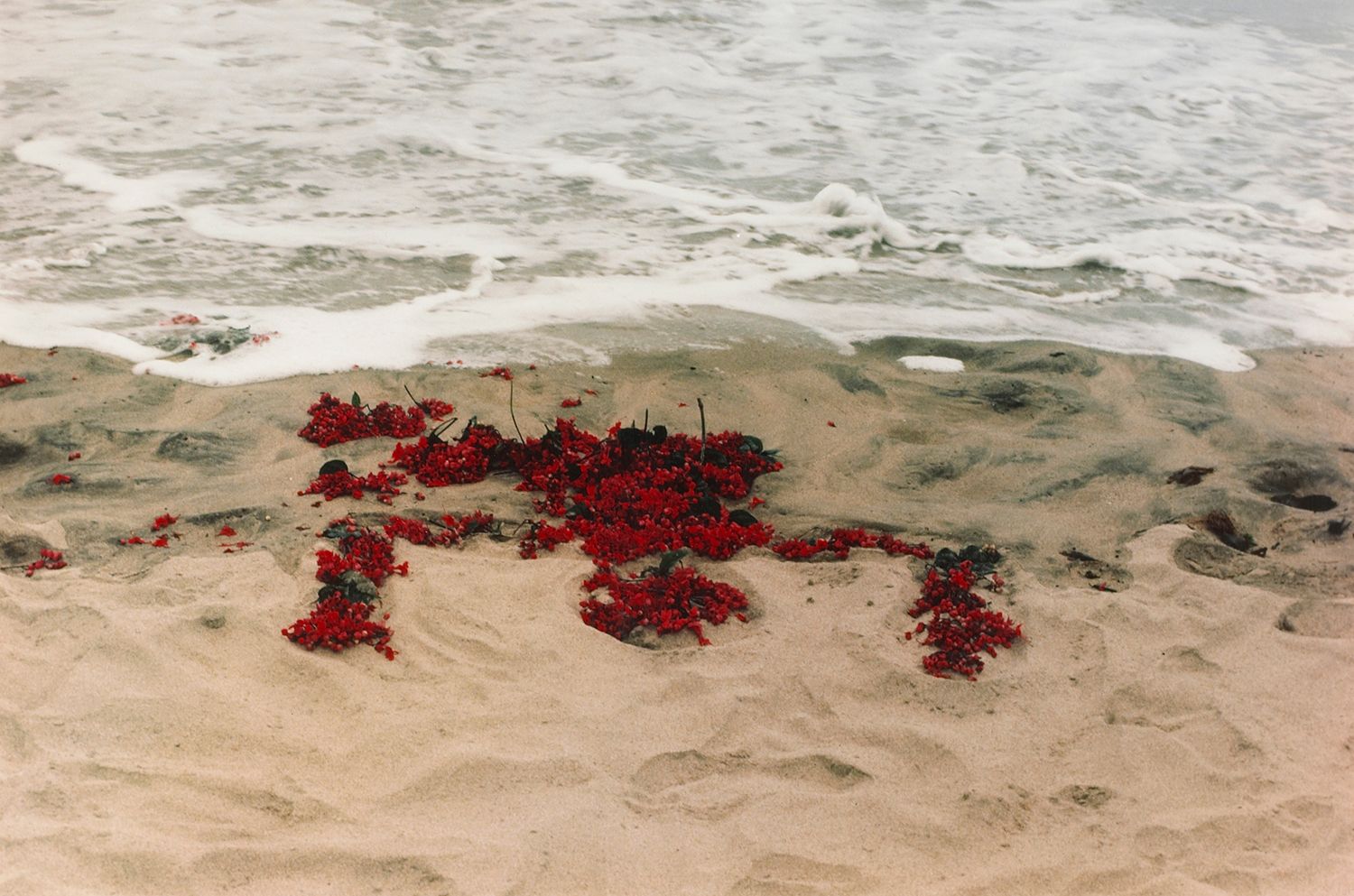 Ana MendietaSilueta Works in Mexico1973-1977 (estate print 1991)
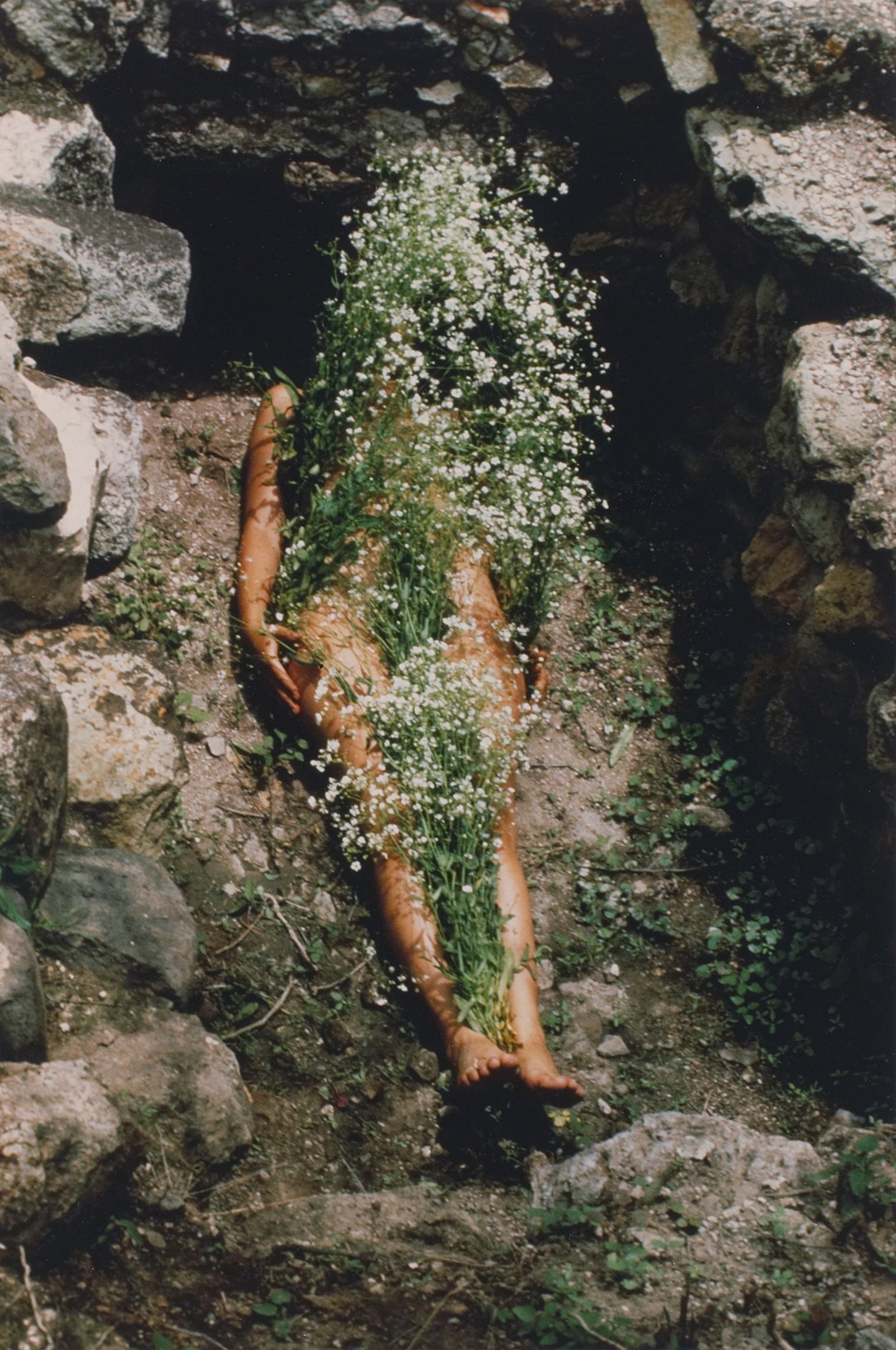 Ana MendietaSilueta Works in Mexico1973-1977 (estate print 1991)
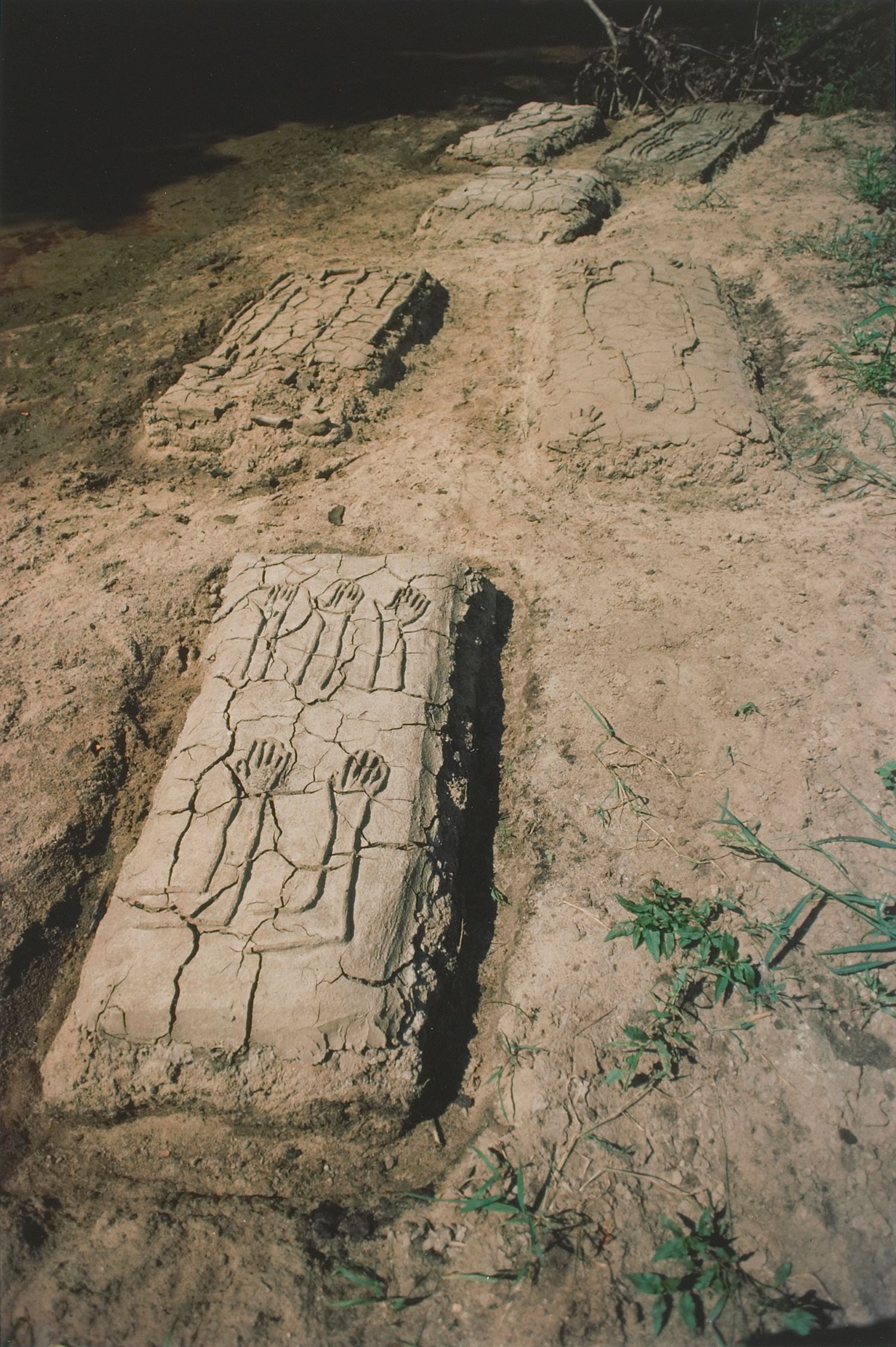 Ana MendietaSilueta Works in Mexico1973-1977 (estate print 1991)
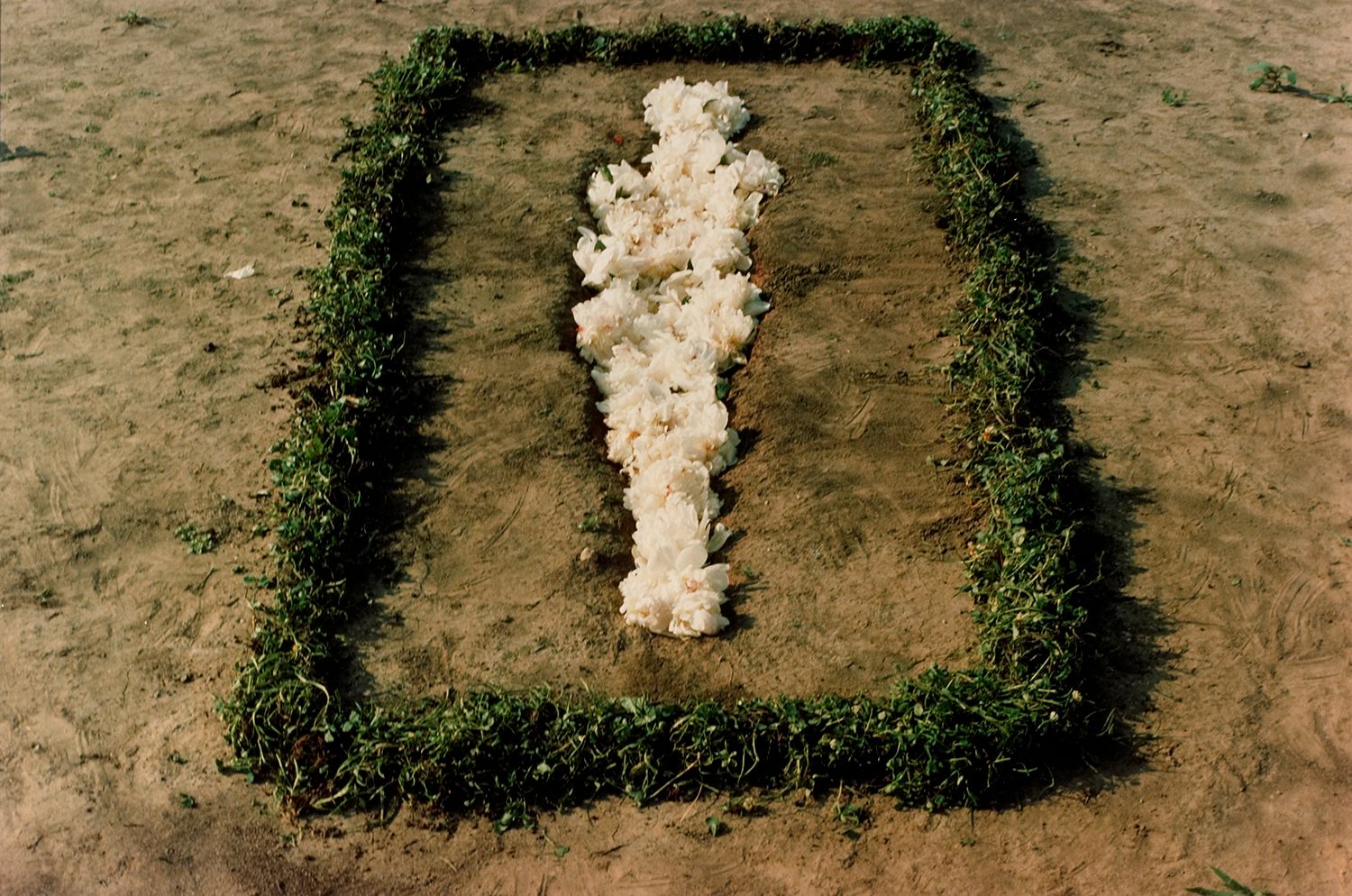 Ana MendietaSilueta Works in Mexico1973-1977 (estate print 1991)
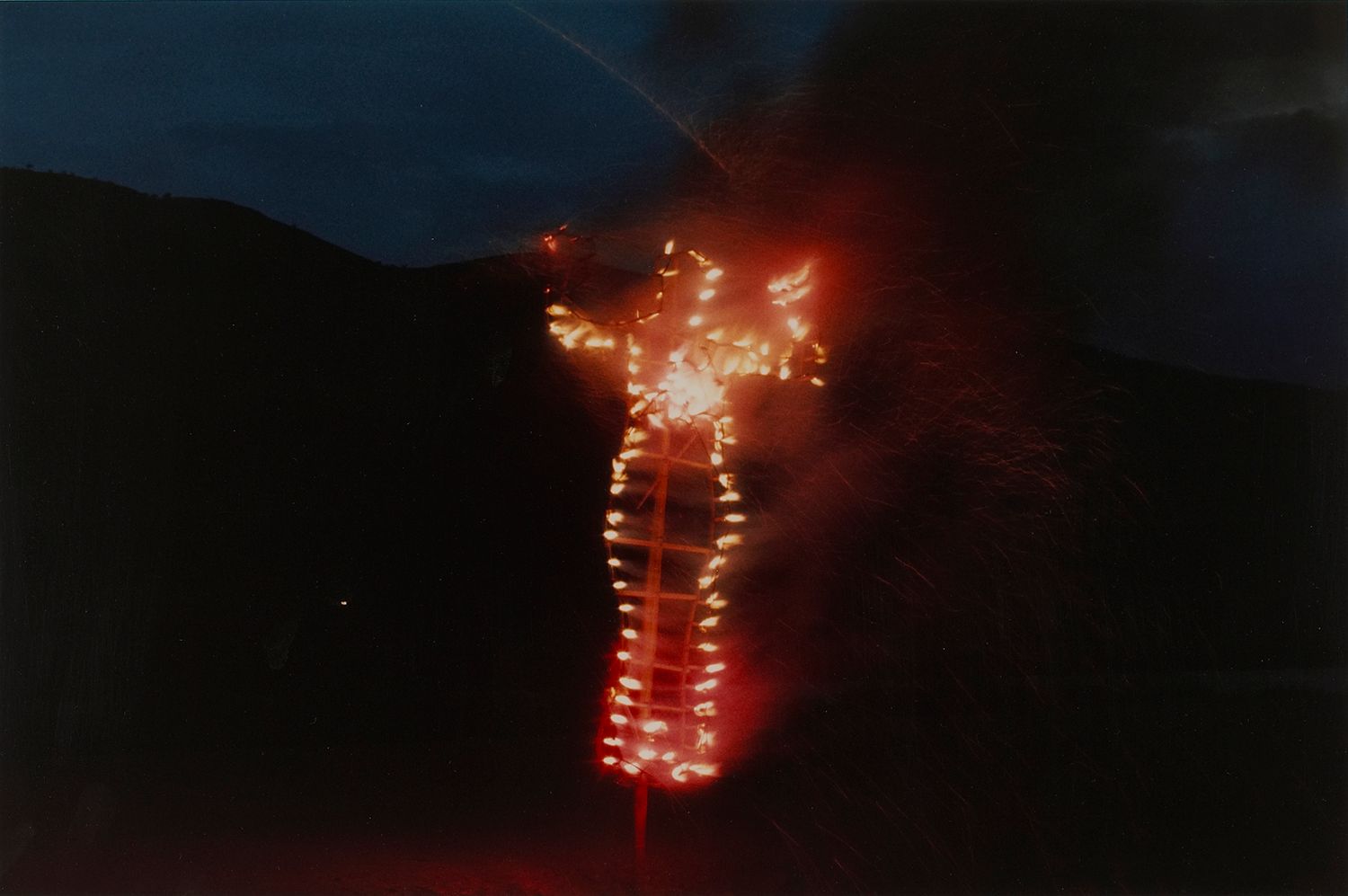 Ana MendietaSilueta Works in Mexico1973-1977 (estate print 1991)
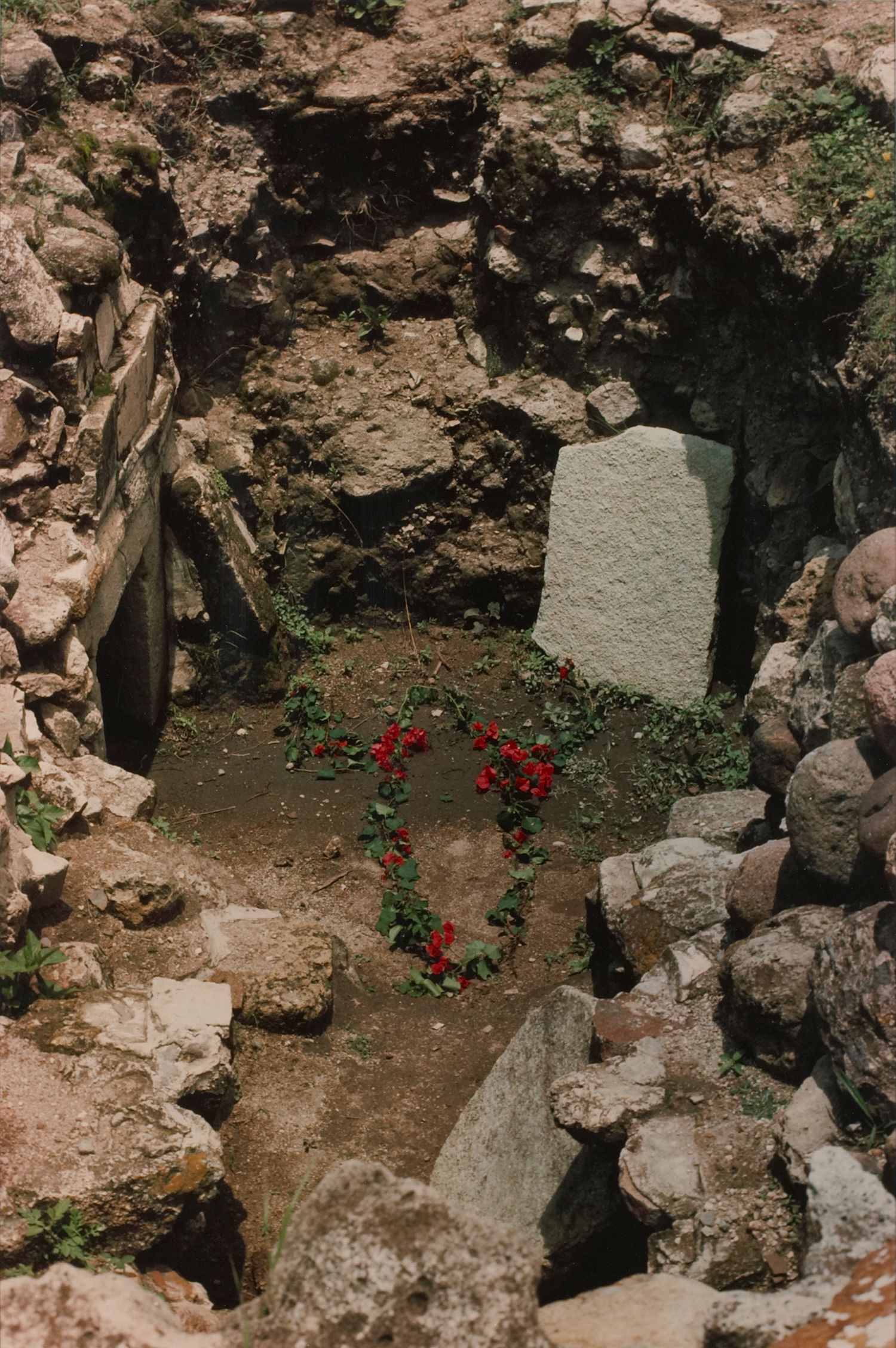 Ana MendietaSilueta Works in Mexico1973-1977 (estate print 1991)
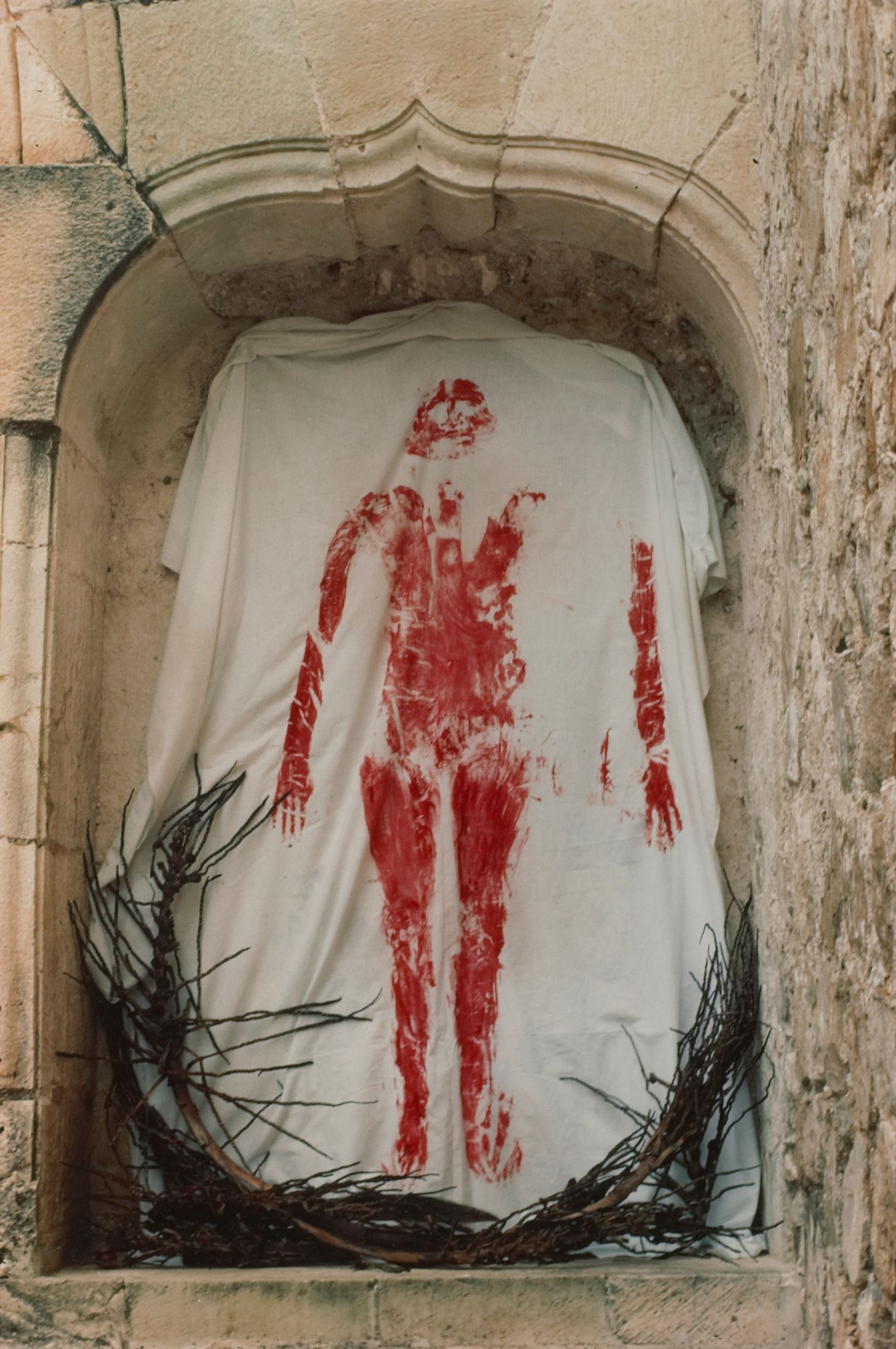 Ana MendietaSilueta Works in Mexico1973-1977 (estate print 1991)
- Image not availableAna MendietaUntitled (Body Print)1974/1997