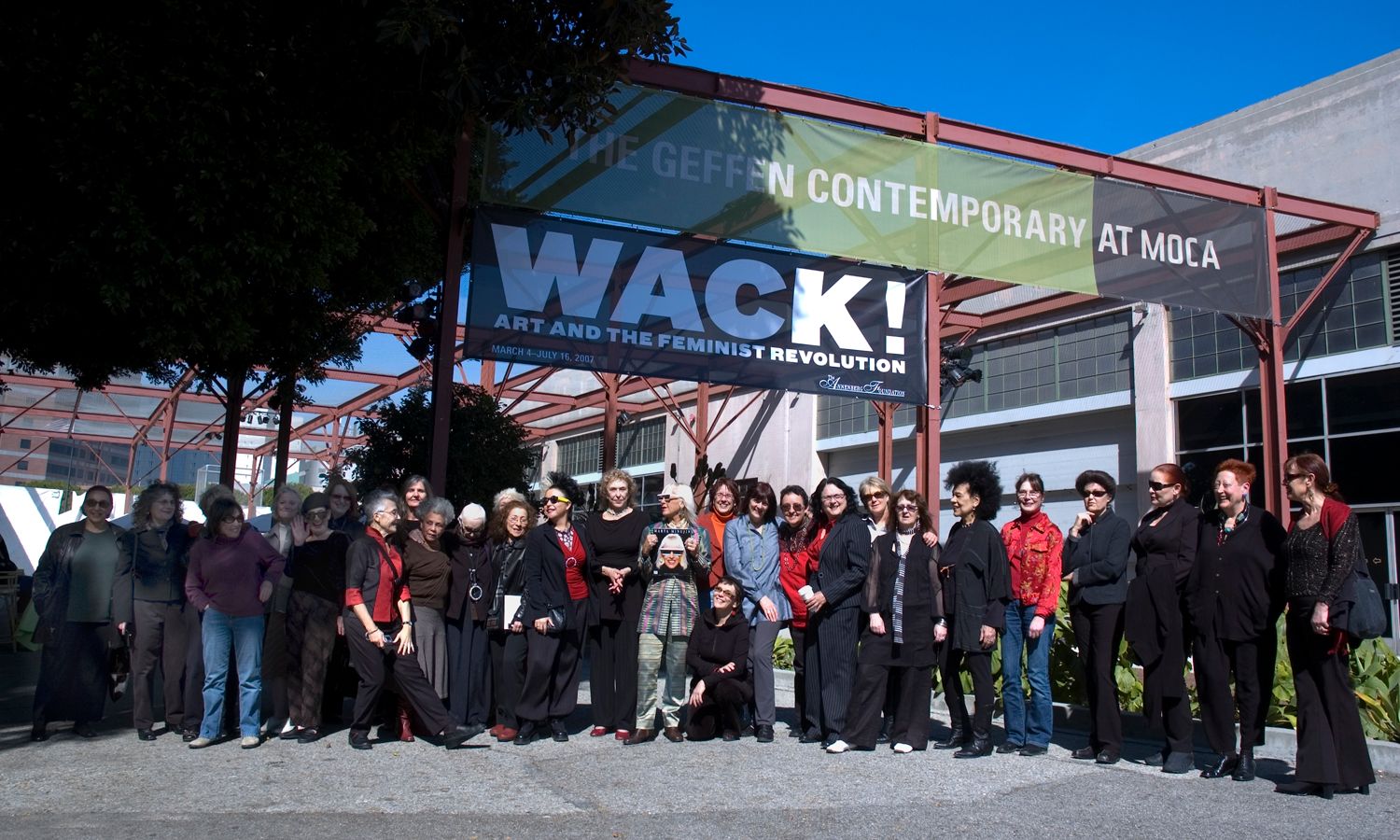
WACK! Art and the Feminist Revolution
edited by Cornelia Butler and Lisa Gabrielle Mark
Co-published by The MIT Press
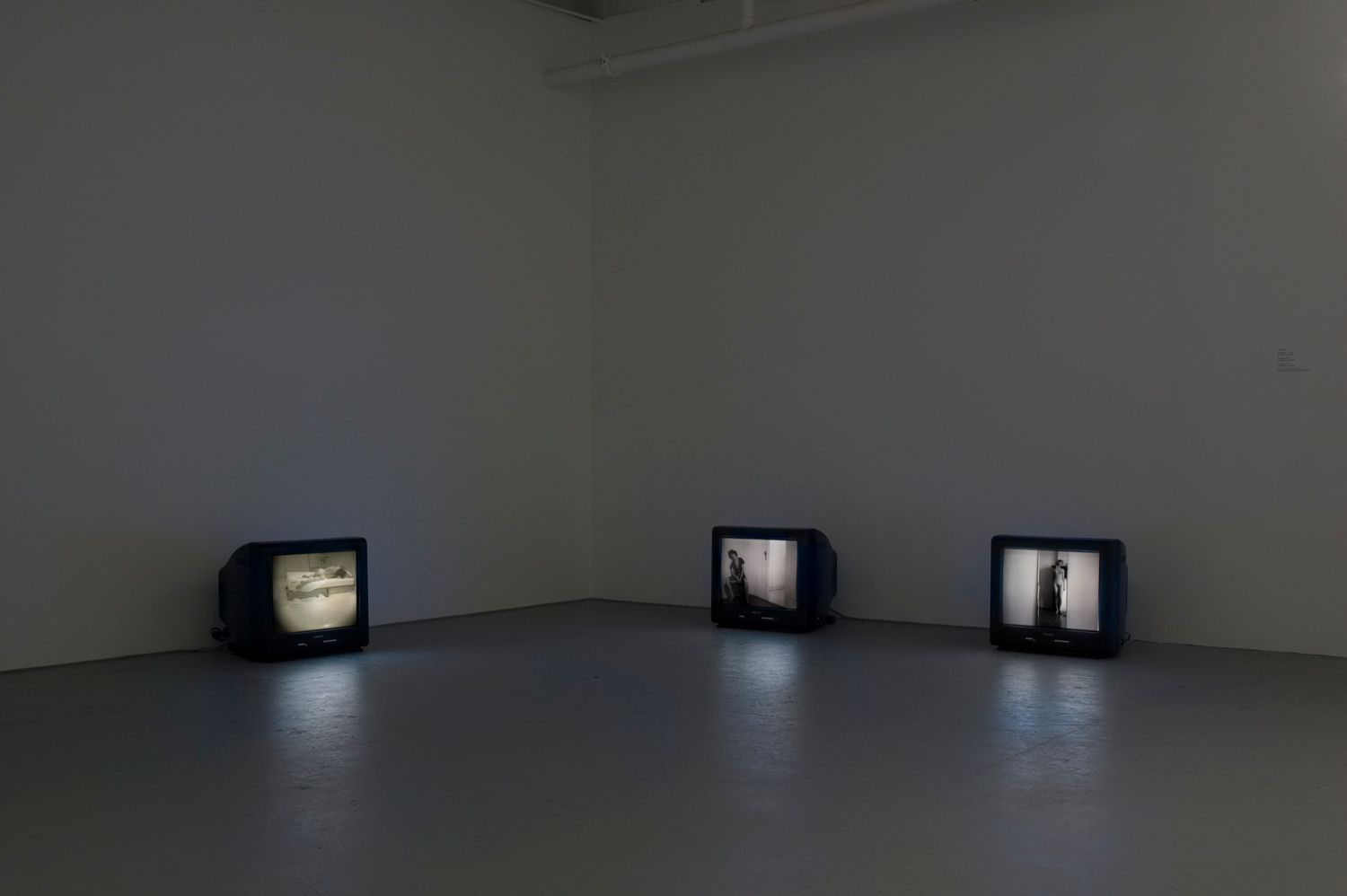
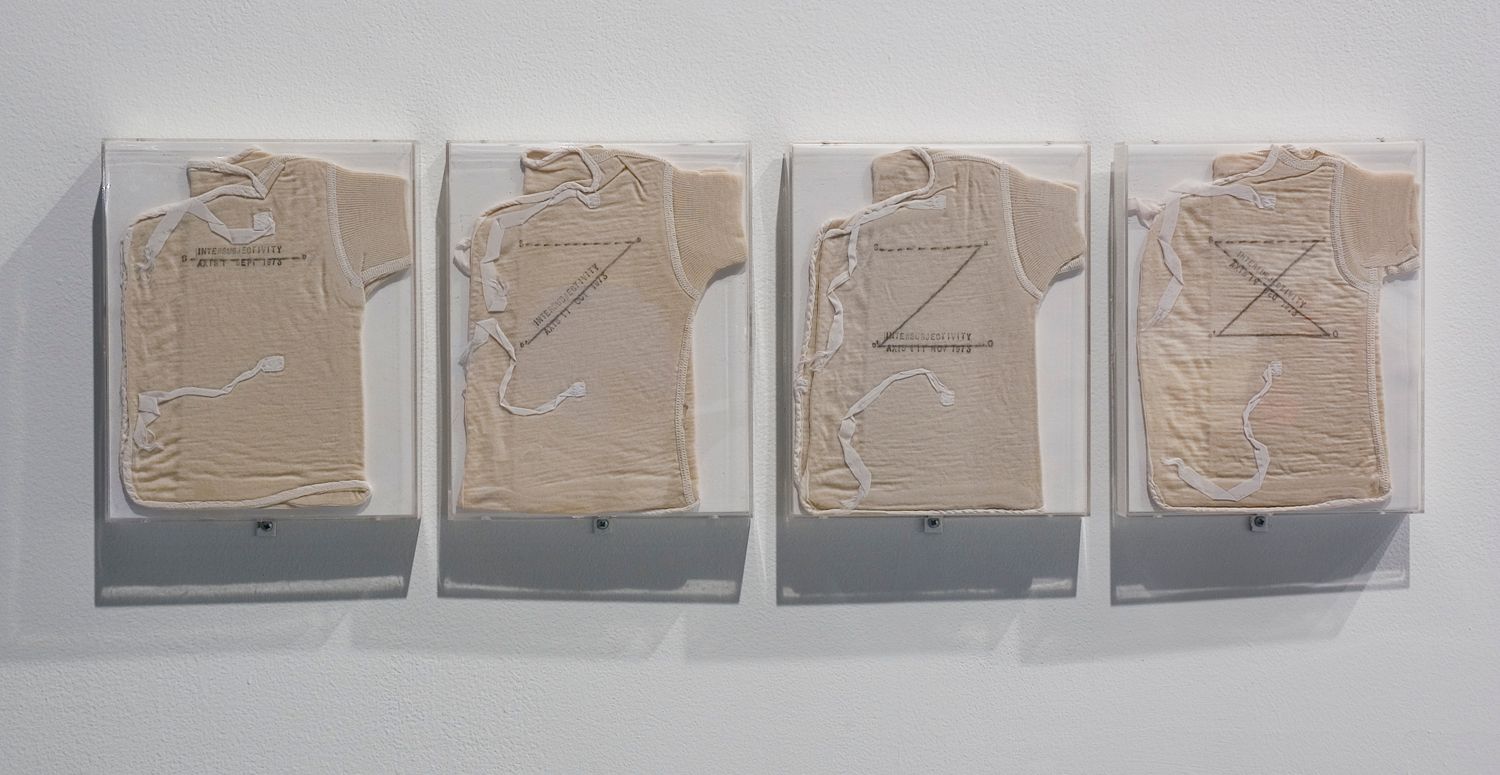
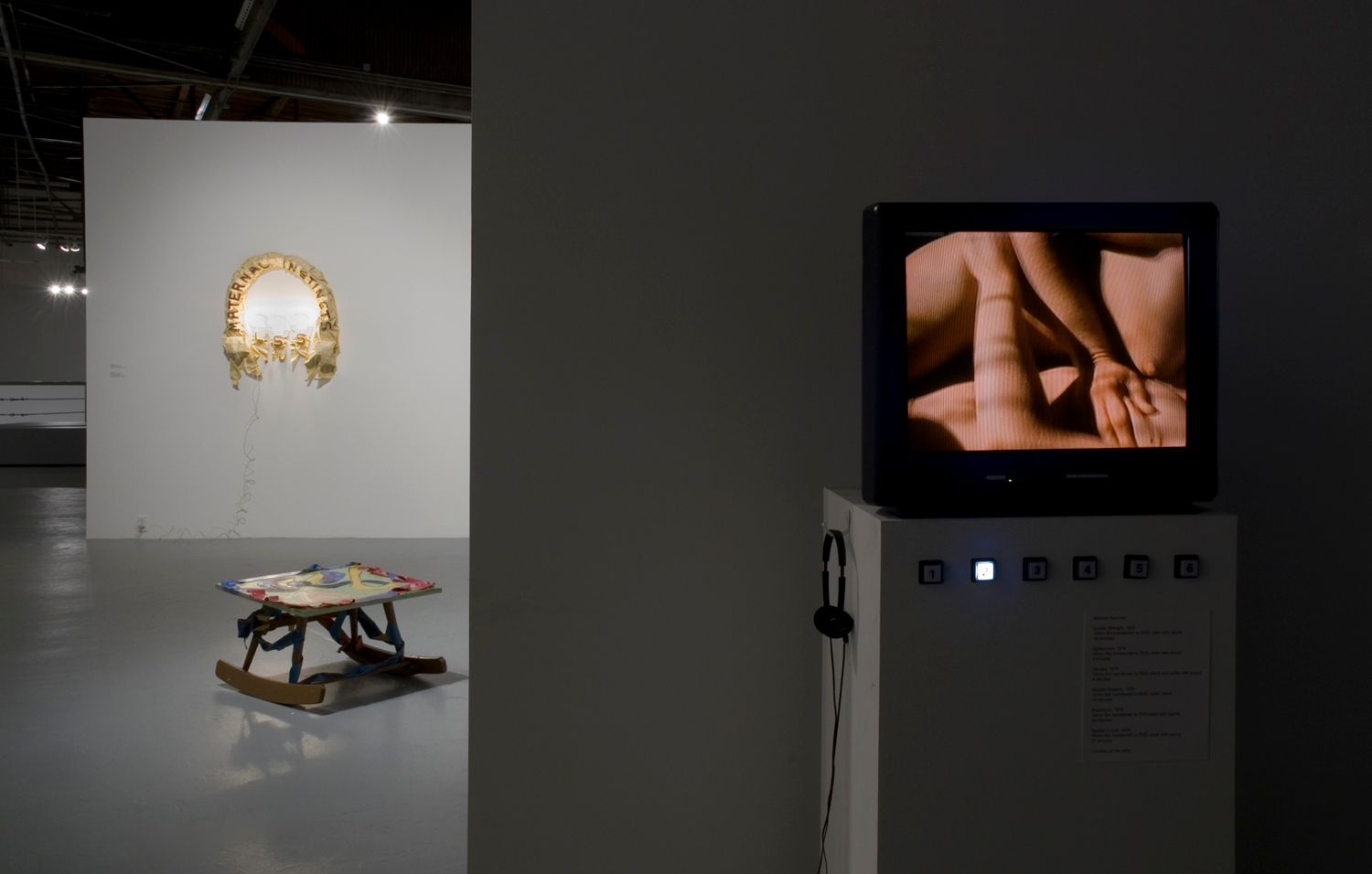
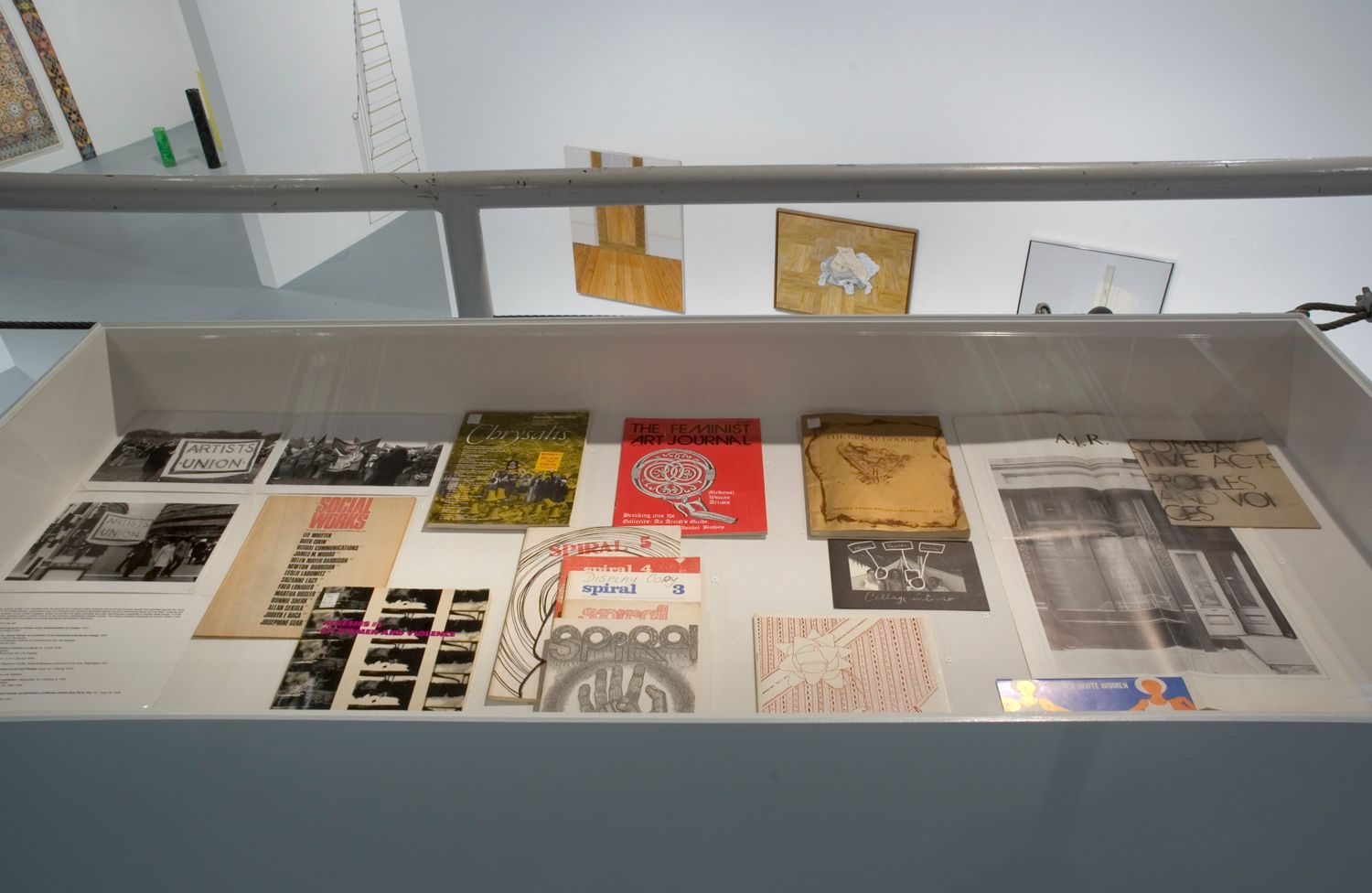
In the 1970s, women changed the way art was made and talked about forever. WACK! Art and the Feminist Revolution is a long-awaited international survey that chronicles the impact of the feminist revolution on art made between 1965 and 1980, featuring groundbreaking works by artists such as Chantal Akerman, Lynda Benglis, Theresa Hak Kyung Cha, Valie Export, Mary Heilman, Sanja Ivekovic, Ana Mendieta, and Annette Messager, who came of age during that period — as well as others such as Louise Bourgeois, Judy Chicago, Sheila Levrant de Bretteville, Lucy Lippard, Alice Neel, and Yoko Ono, whose careers were well established.
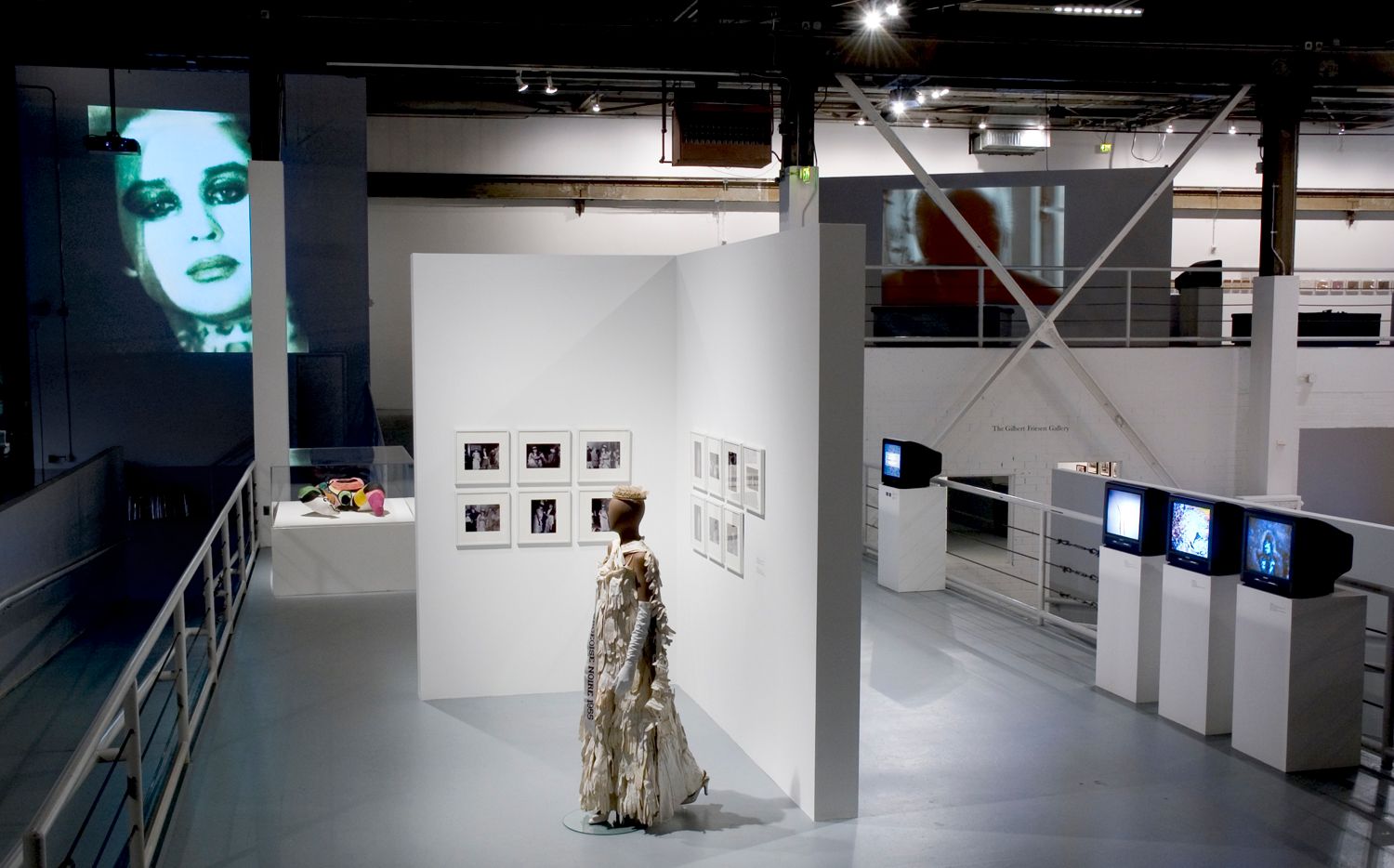
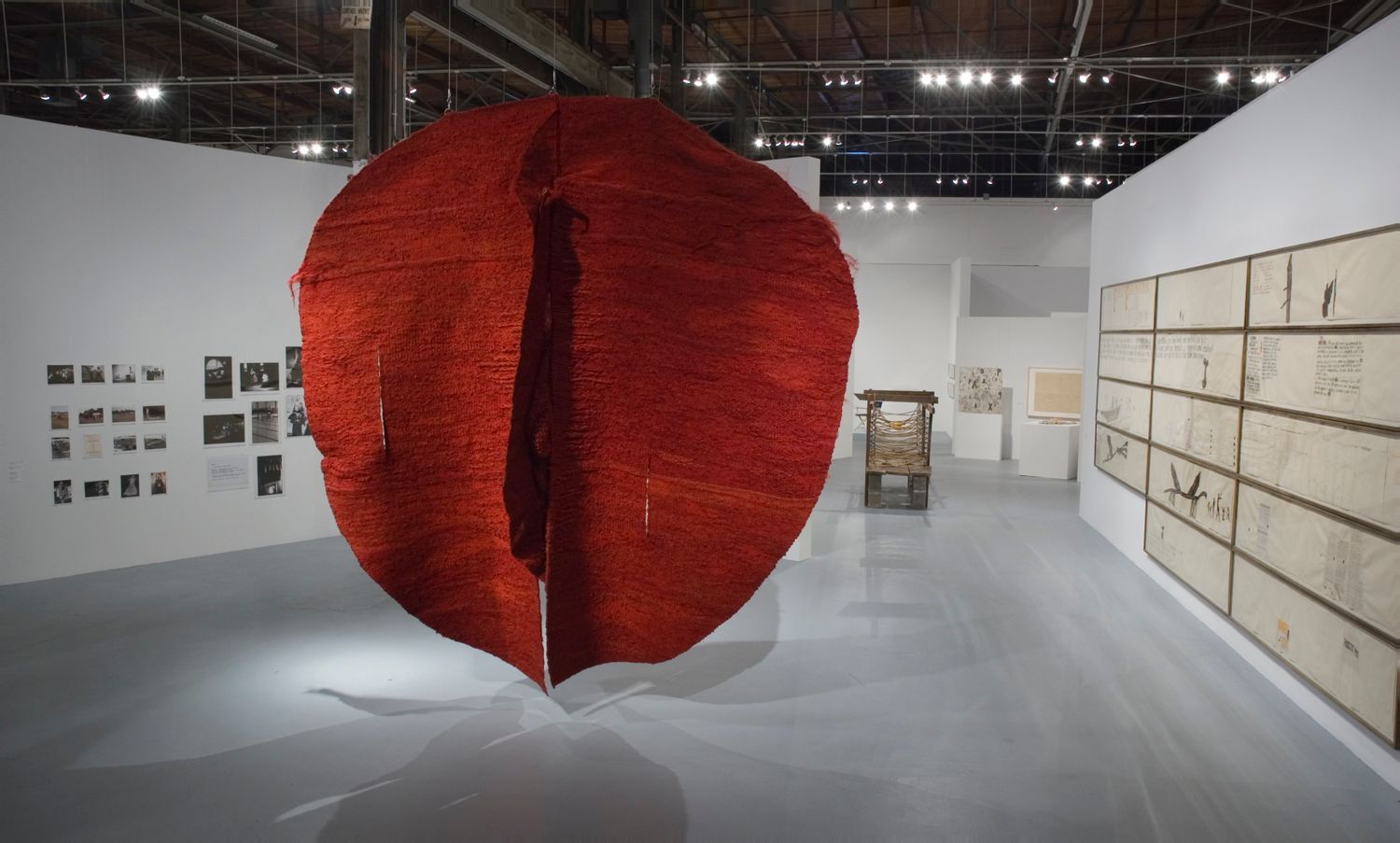
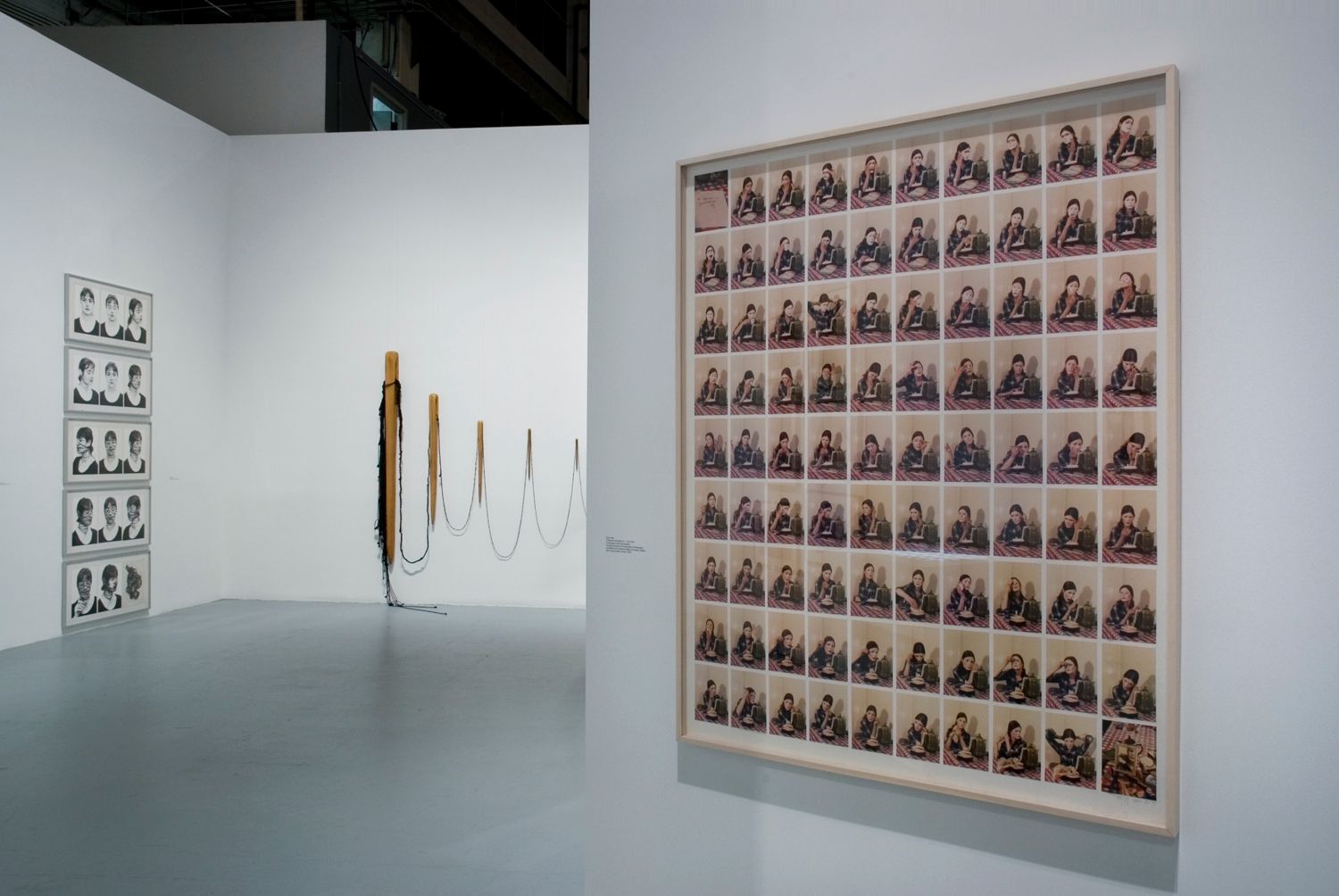
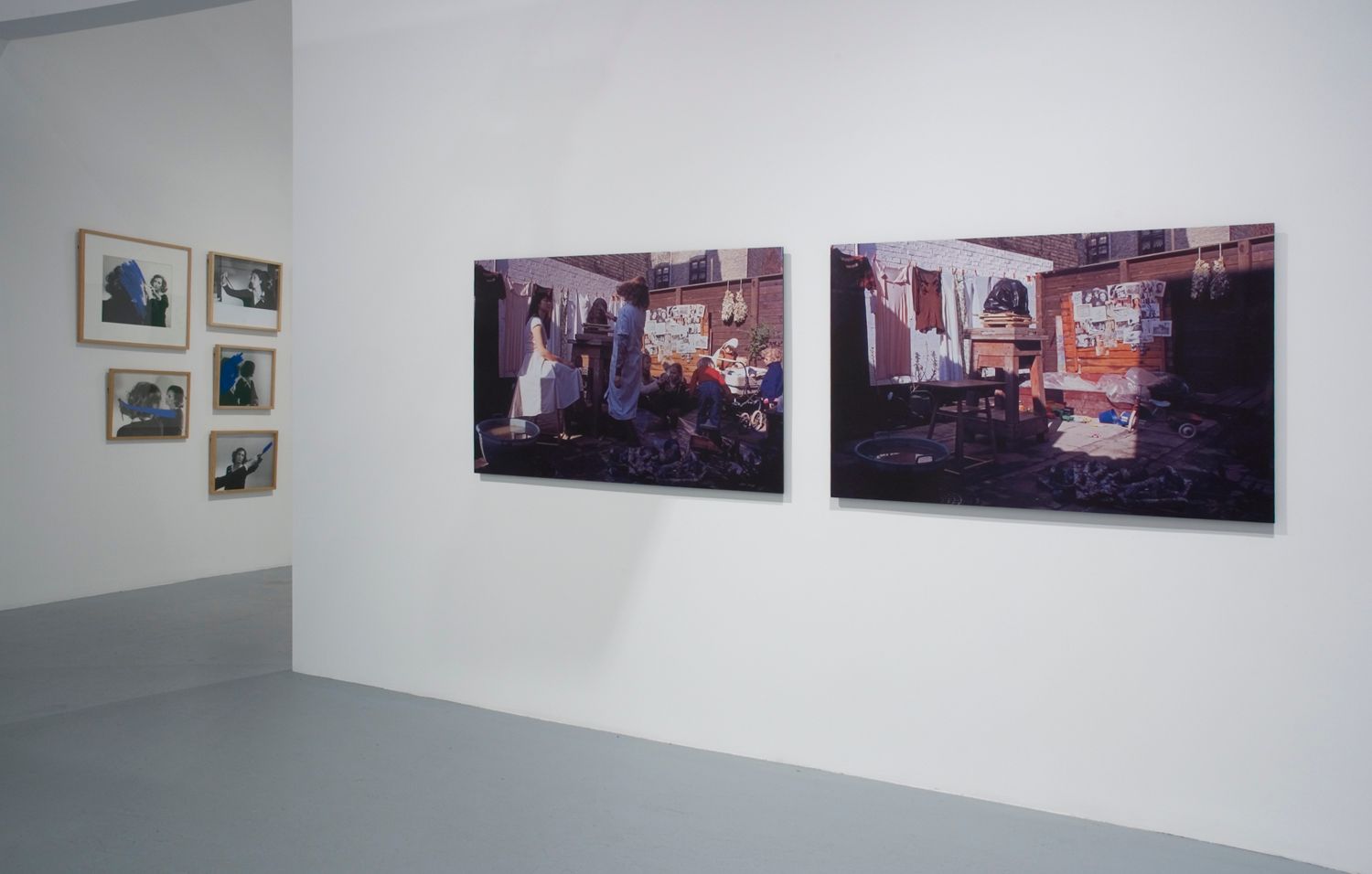
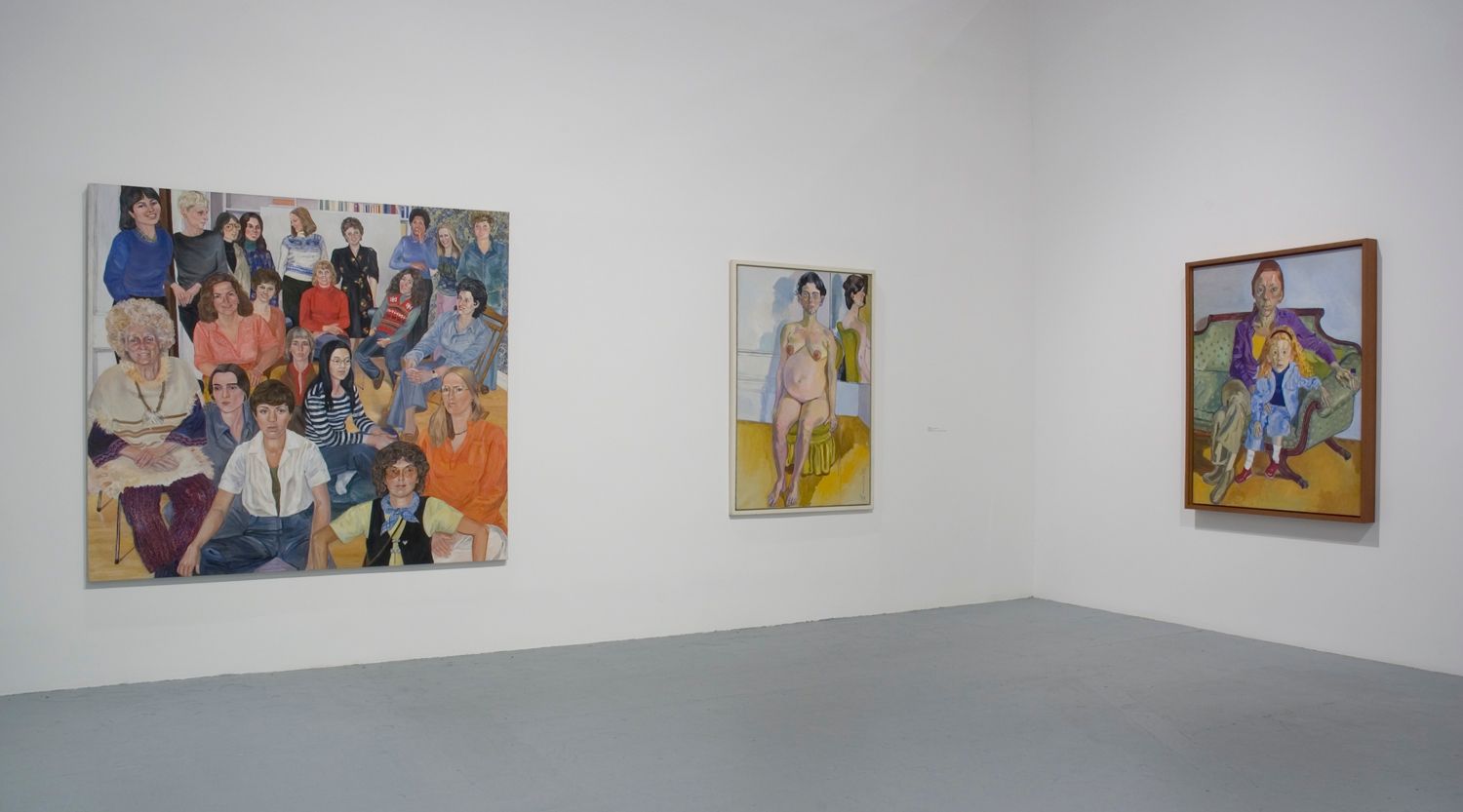
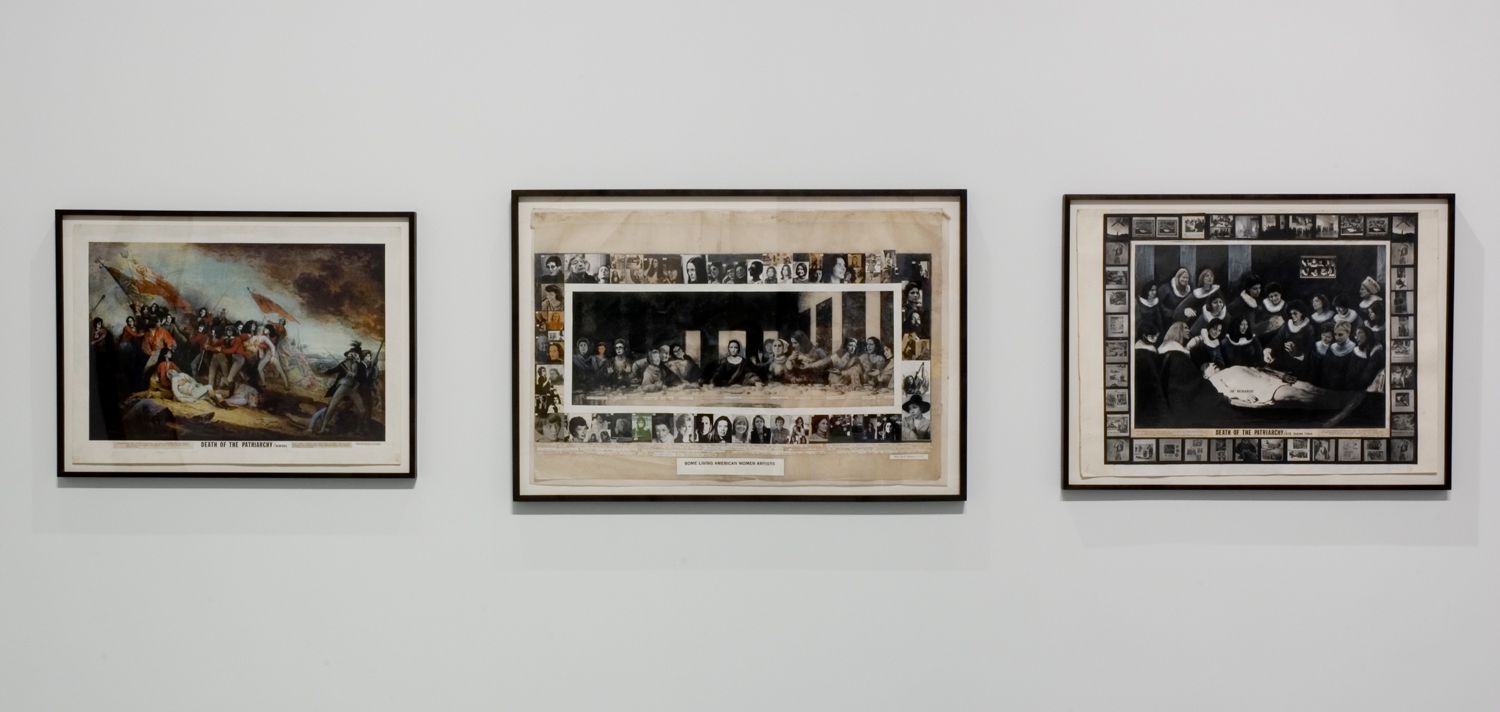
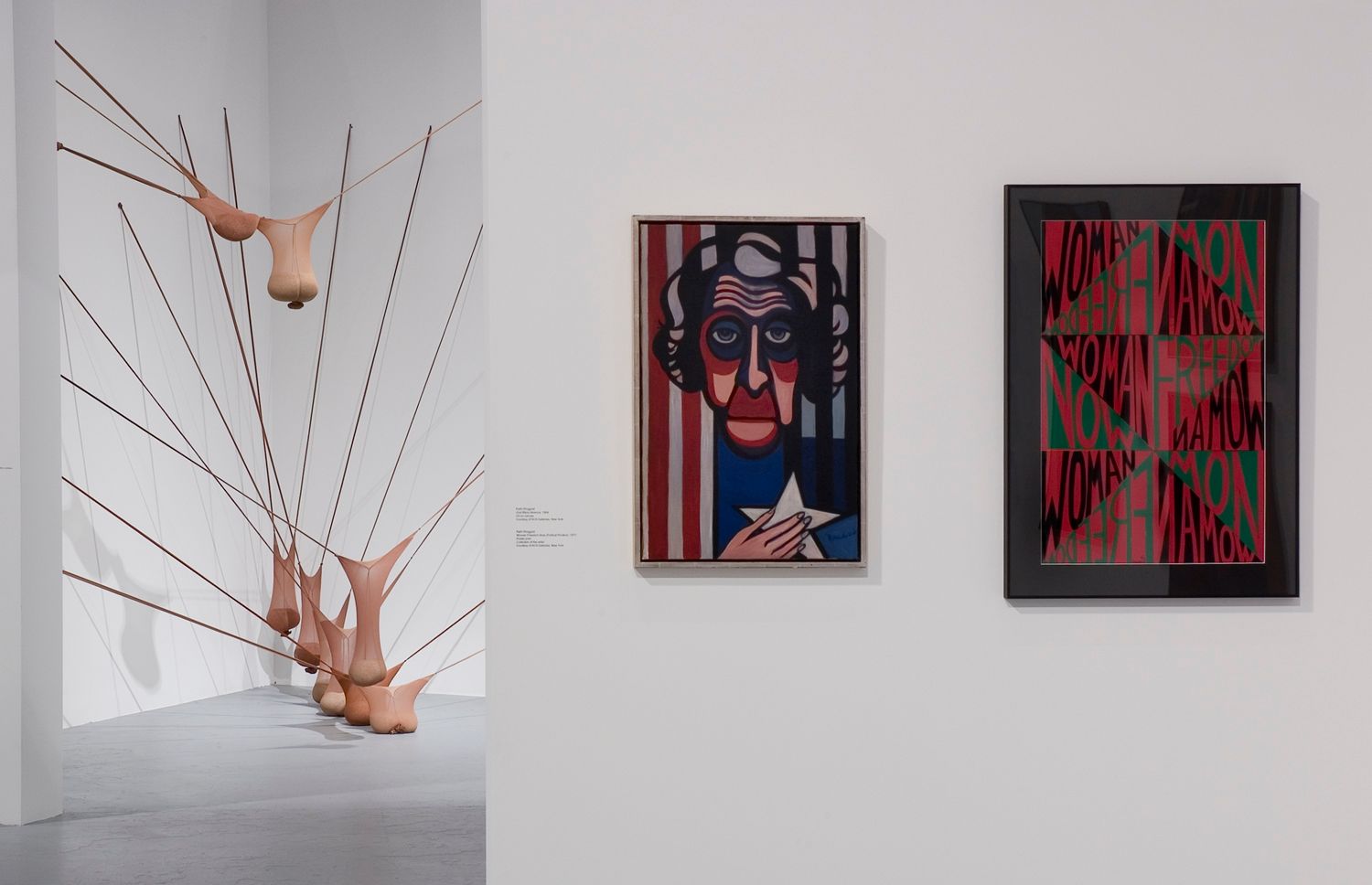
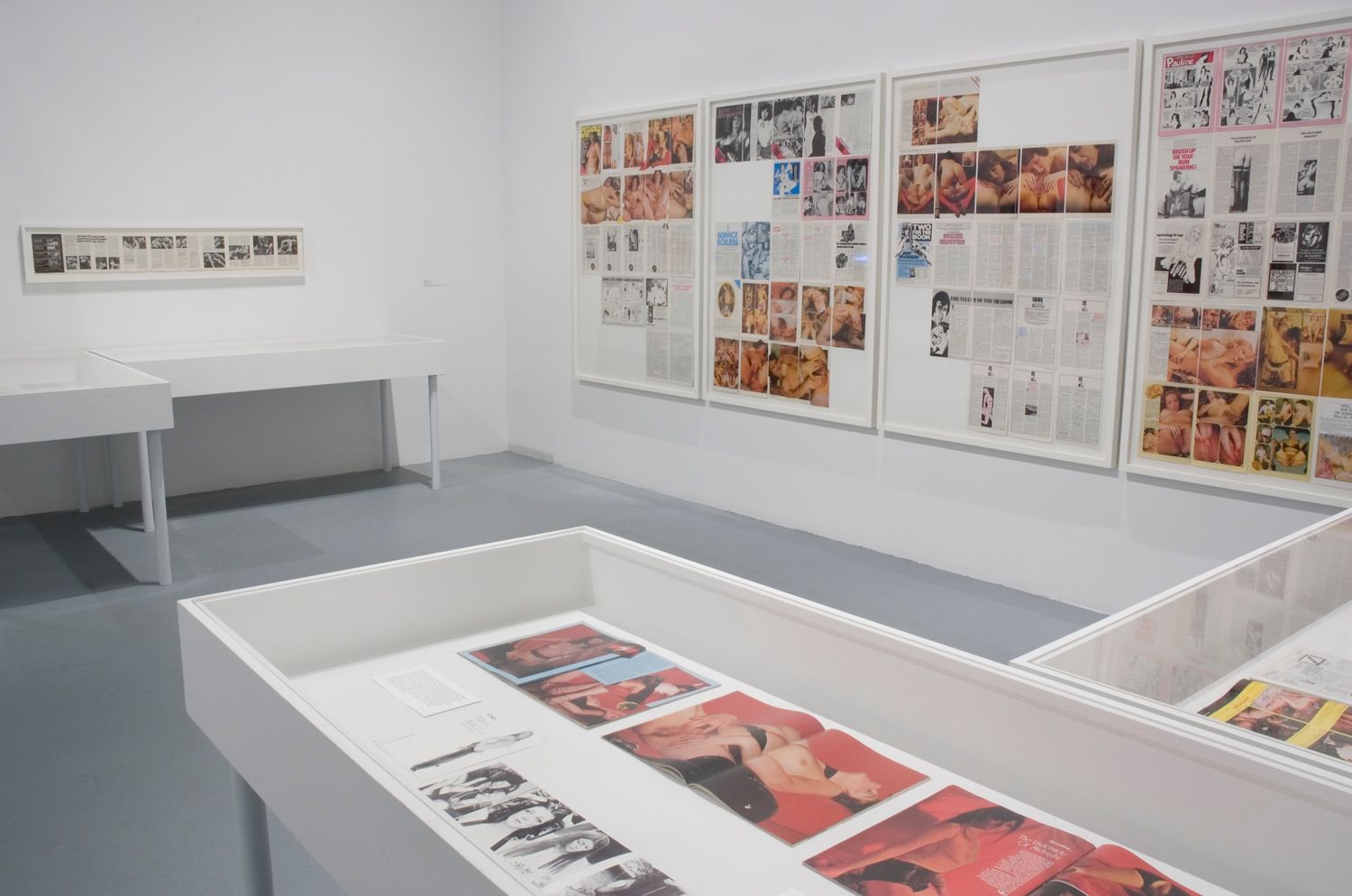
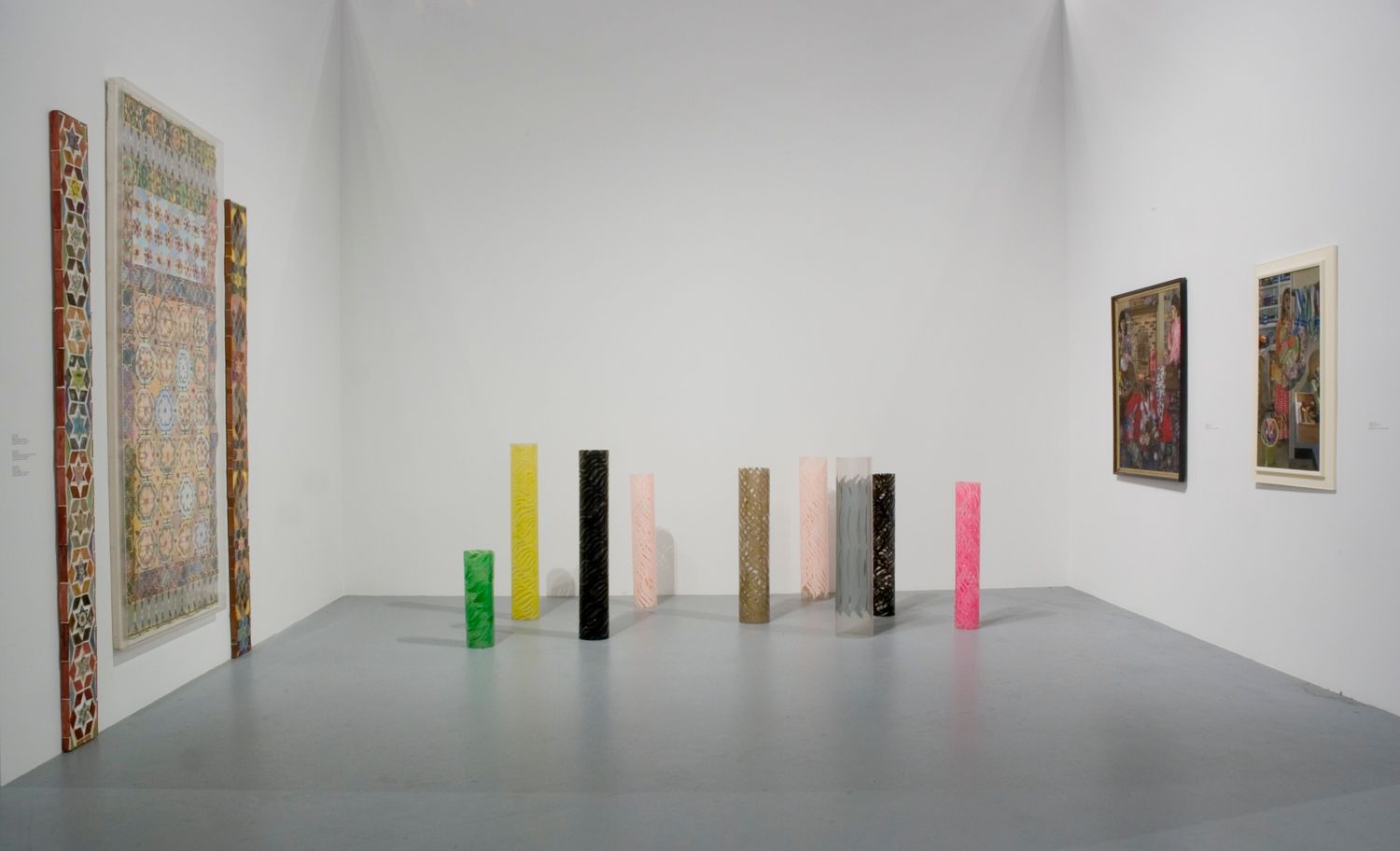
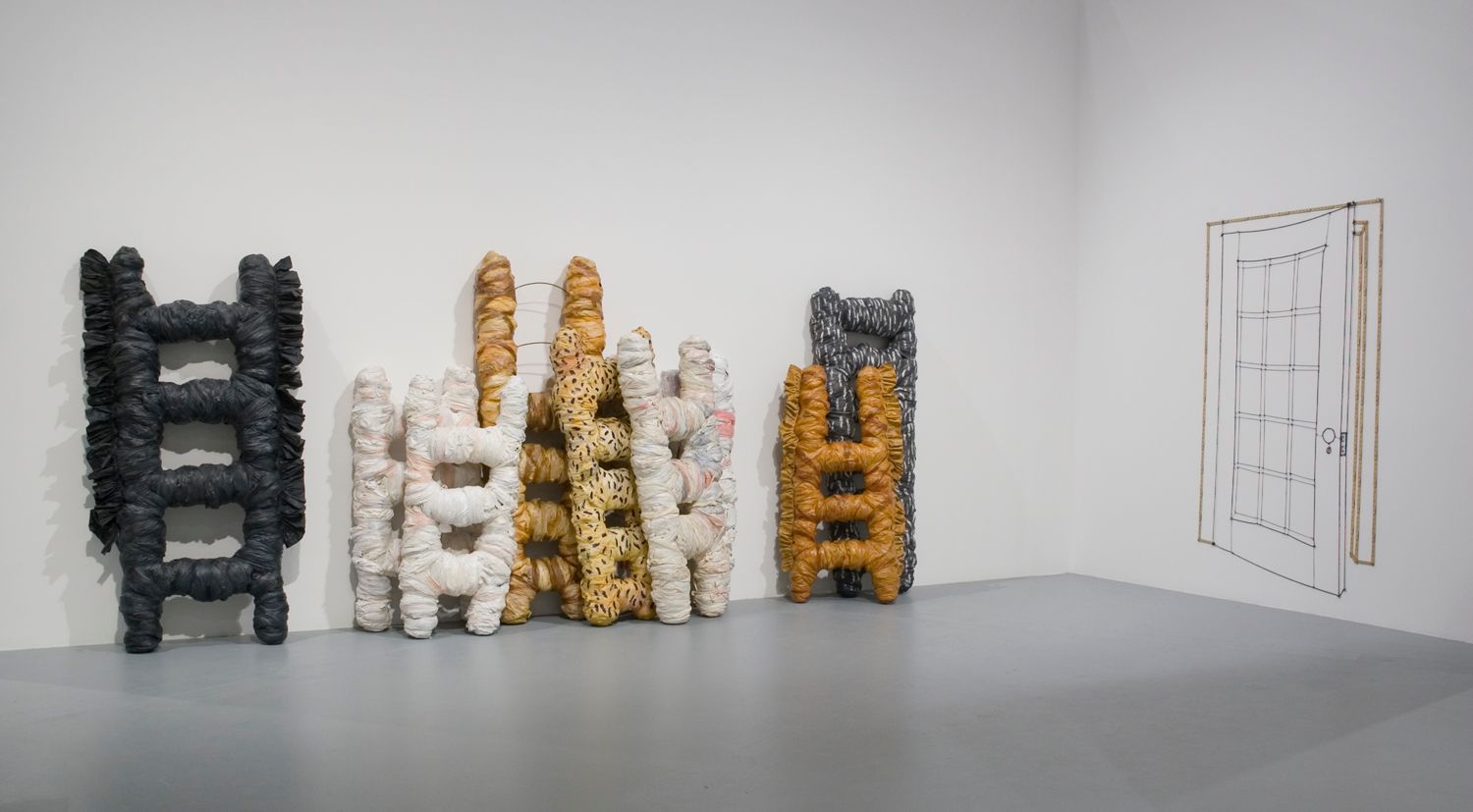
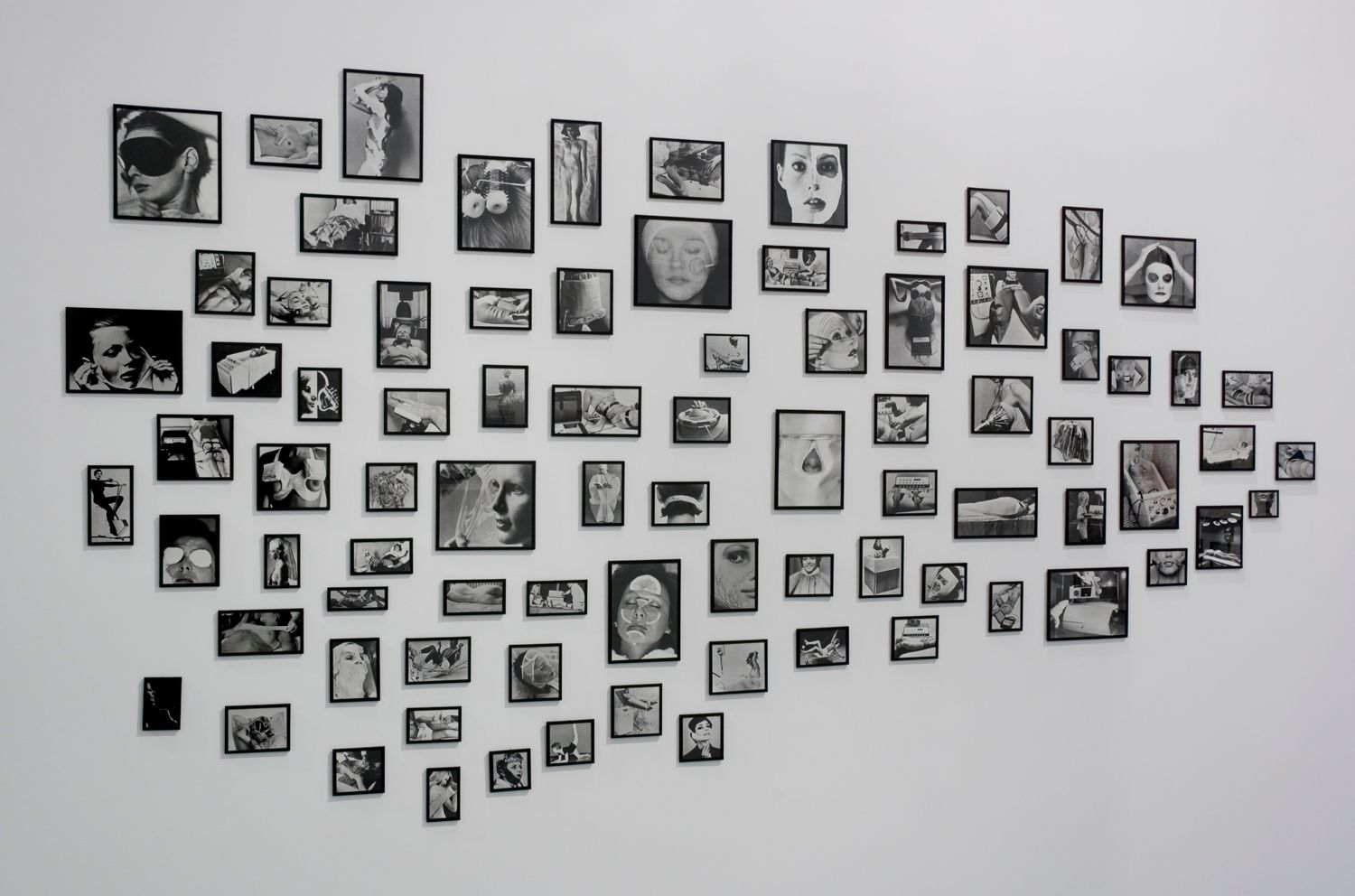
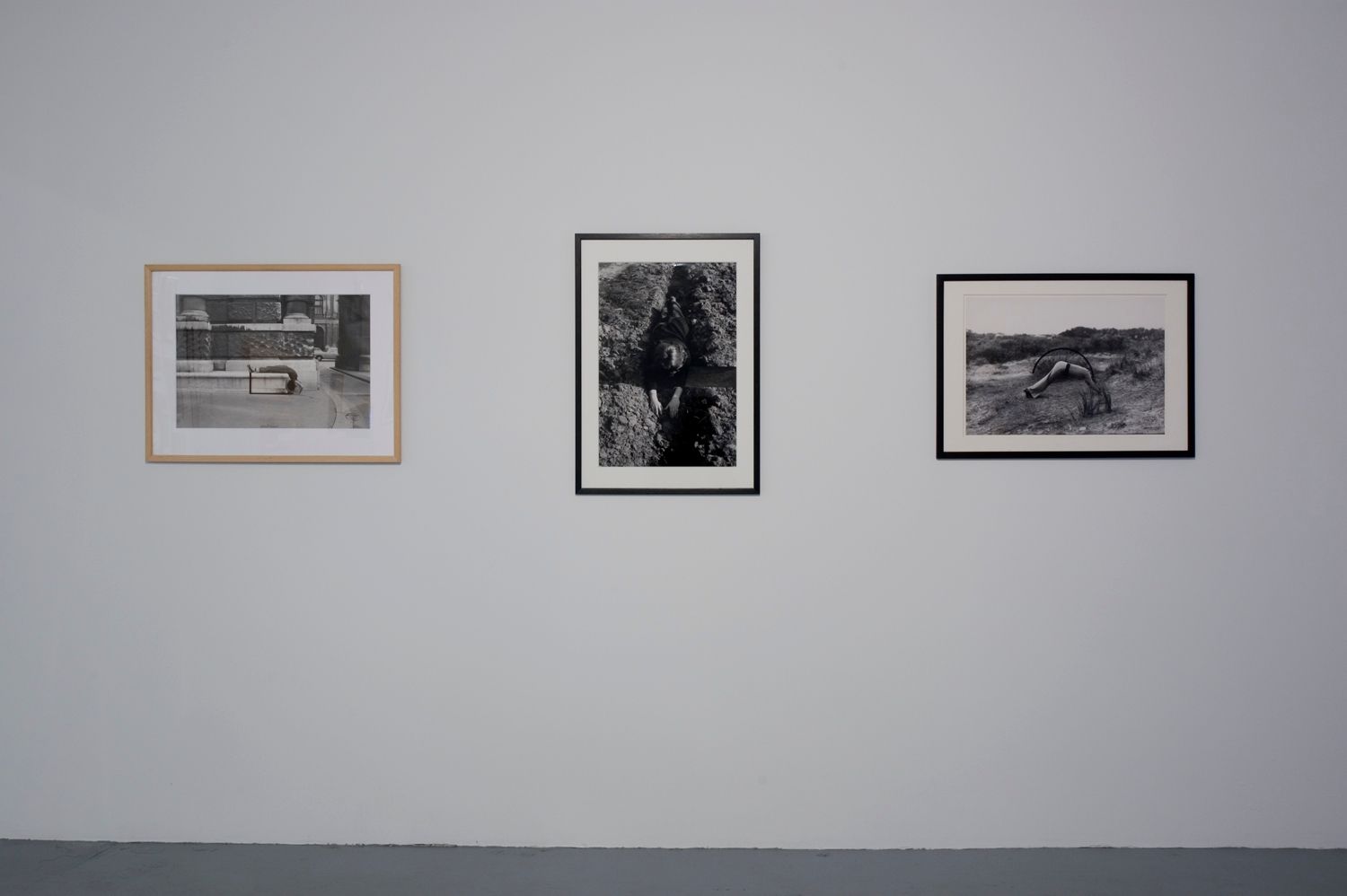
The book opens with a rich, full-color plate section in which works by over 120 artists are grouped into themes, including Abstraction, Body as Medium, Family Stories, Gender Performance, Knowledge as Power, and Making Art History. Highlights include the figurative paintings of Joan Semmel; the performance and film collaborations of Sally Potter and Rose English; the untitled film stills of Cindy Sherman; and the large-scale, craft-based sculptures of Magdalena Abakanowicz. Written entries on each artist offer key biographical and descriptive information, while accompanying essays by leading critics, art historians, and scholars offer a fresh look at feminist art practice from a cross-cultural perspective. Topics such as the relationship between American and European feminism, feminism and New York abstraction, women’s art under the Pinochet dictatorship, and mapping a global feminism provide a broad social context for the artworks themselves.
Working in a diverse range of media, including painting, sculpture, installation, performance, photography, film, and video, the artists in WACK! made feminism one of the most important influences on art of the late twentieth century.
Essays by: Cornelia Butler, Judith Russi Kirshner, Catherine Lord, Marsha Meskimmon, Richard Meyer, Helen Molesworth, Peggy Phelan, Nelly Richard, Valerie Smith, Abigail Solomon Godeau, and Jenni Sorkin
Entries by: Esther Adler, Cornelia Butler, Elizabeth Hamilton, Jane Hyun, Susan Jenkins, Lisa Gabrielle Mark, Rebecca Morse, Corrina Peipon, Alexandra Schwartz, Jenni Sorkin, Linda Theung, and Dawson Weber
Check back soon to purchase a WACK! catalogue from the MOCA store.
originally posted February 23, 2007


56 Comments
#1. Liz 02.23.2007
This book looks totally amazing.
#2. Sarah Rossiter 02.27.2007
Really glad you published this book, but the front cover unfortunately caters to the power structures that Feminism has sought to combat. What a shame, it seems you missed the point! This image is probably an artist’s work, which is great – but I would have thought that a show about the artistic tradition of challenging the validity of sexist practices and women’s rights would have more intelligence about what to put on it’s front cover.
#3. Paige Wery 02.28.2007
I think Sarah Rossiter misses the point (see above comment #2). The cover of this catalog is empowering. Become comfortable with your body and sexuality and you will realize it leads back to your mind with all it’s beauty and intelligence. Is’nt this cover partly possible because of the feminist movement? I am woman hear me roar!! RRRRRRRRRRRRRRRRRRRRRRR
#4. Lewis 03.02.2007
Please. I agree w/ Sarah.
Being back in grad. school where girls, I mean women, wear short skirs that my female professors think are inappropriate (scratch that, that anyone with common sense would find inappropriate for a classroom setting) shows how compromised Paige’s view, and the choise to put images that clearly appeal first and foremost to the male gaze (they’re hot so i like it) shows how myopic post-feminism is. All this talk about the body brainwashes folks, esp. girls.
At least, theorists like Angela McRobbie and Gayle Wald are admitting things have gone too far and trying to return whatever wave we’re at back to real world.
Having studied issues of control, technology, power and society, it’s like the chains are on so tight they’re invisible.
Good luck Britney!
#5. Aaargh 03.02.2007
The cover image of the book is a work by Martha Rosler, a feminist artist, titled, “Body Beautiful, Beauty Knows No Pain: Hot House, or Harem”, 1966-72. As quoted from the catalogue, “In one series of thirty-one works, ‘Body Beautiful’, or ‘Beauty Knows No Pain’, Rosler interrupted magazine advertisements by collaging them with elements that call attention to the ubiquitous use of women’s bodies and body parts in the media to market consumer goods.” The collaging of body upon body in this image can be seen as a metaphor for the barrage of such sexualized imagery being put out by the media. Placed in this context, it can be seen as subversive, an act of protest. One reason this work is so successful is that it encourages dialogue (i.e., this discussion here) about the female form and its exploitation in popular culture.
#6. Paige Wery 03.02.2007
Hi. It’s me again, Paige (a.k.a. comment #3).
Dearest Aaargh, thanks for bringing to light the historical background of the piece at discussion. After reading what Lewis had to say (a.k.a. comment #4), I realized i better not respond until i got my facts correct about the art piece stirring a healthy debate. At the time that i wrote the following sentence on this very blog, “Become comfortable with your body and sexuality and you will realize it leads back to your mind with all it’s beauty and intelligence.” I was probably two glasses into it and feeling a little horny. It’s all a little embarissing but my original point was simply that i enjoy this cover and welcome the dicussion it opens. I was lucky enough to go to the media preview and this show is so powerful, it will blow your socks off!! In final, Thanks for sharing the facts.
#7. habiba 03.04.2007
thank you Lewis (#4)! it feels SO good to read that someone is aware that ” the chains are on so tight they’re invisible.”
it is so true! and it’s a matter of life and death to realize it if we, as a society, ever want to evolve.
#8. Paige Wery 03.04.2007
thanks to who ever made the smart decision to not post my nasty last writing.
don’t post this one either!!
ps. me and my friends had soooo much fun at the opening last night!! boogie on.
thanks,
paige
#9. silvia 03.05.2007
hi, i’m from italy..
sigh ..i want so much to be at this show!!
i know the artwork on the cover , i think that the meaning of the piece is really clear for us.
but outside people can see everyday naked women on magazine (in italy u can see naked women on every kind of magazine, also political)and the most part of artwork show a naked woman.
for people is too normal the show of women object of art.
we must consider the lack of good sense..(i’m too polite) the stupidity , that there is outside, so i think that this cover can be a bit dangerous.
of course for me this book look amazing!
i’m sorry for the semplicity of the message but my english knowledge is stylized.
#10. Lewis 03.05.2007
With all due respect to Silvia, meaning is never “clear” especially in post-feminist early 21st Cent. America. Just yesterday there was another NPR piece about fashion co. catering to “hot” moms, which parallels “hot mom cheering their little girls gyrating to Britney Spears at too young an age.
The photo was powerful and impacting when it was first published years ago, but now has become so coded as it’s be SOOO easily appropriated. Good luck taking it back. Strategies will need to be much more creative, political, sophisticated and edgy, but not in the elite-curator-MOCA-way, but living life on the ground like Santa Monica TJ art show. I’m sure you incorporate some of these type of artists and am looking forward to seeing it, but the cover choice sucked.
Finally, we need to examine the costs of not asking these hard questions: it’s no coincidence that post-feminism rise = embrace of identity politics = post-structural/culture studies take-over of the academy = democratic ethos implosion = 1 illegal middle east war, maybe another, end of Habeas Corpus (see my link)
#11. stacy 03.05.2007
What an interesting conversation! I must say that I was a bit confused when I first saw the cover. I was expecting something different, considering the feminist nature of the exhibit. I cannot relate to Paige’s comment: “The cover of this catalog is empowering.” I am concerned the art does the opposite. However, I am keeping an open mind. I am interested in why some women view the cover so differently than I do. I will definitely be visiting the exhibit and purchasing the catalog.
#12. Janice Lee 03.09.2007
I just purchased the catalog and it’s amazing. More than just for the photo inventory of the artworks, the essays and artist biographies are incredibly insightful and really add to the dialogue of feminist art.
In relation to the cover, I can see what many have been saying about the empowering or disempowering nature of the photos, yet in a way I think is part of the point. Part of what is so important about this exhibition is not only to showcase these brilliant artists, but also to keep the dialogue and discourse on feminist art ongoing. Dialogue on both sides can be a positive thing. Take the publishing business for example. There seem to be less works by female writers in the last century than males ones, but this is not due to an actual disproportion of male and female writers, rather it is much less likely that a large publishing company will reprint books by female authors. So then many great works are forgotten. Perhaps we want to make sure similar things do not happen with these important artists.
#13. Lorraine Wild 03.09.2007
I thought I’d keep my mouth shut about the cover, but after seeing Holland Cotter’s comment in this mornings’ NY Times I feel that I need to weigh in. I’m the designer of the cover (along with my colleague Victoria Lam here at Green Dragon Office, and of course one needs also to acknowledge the participation of Connie Butler, Lisa Mark and the publications office at MoCA, and ultimately the co-publishers at The MIT Press as well…”it takes a village.”). Mr. Cotter’s comment is that the Martha Rosler’s collage is a valid work of art, but that it’s use on the cover somehow re-contextualizes it in a way that actually undermines the meaning of original work. I strongly disagree. Perhaps if the words over the collage said “Dove Moisturizer” or “Spearmint Rhino” their might be some confusion in the minds of readers. But in very large letters, the name of the exhibition serves, if anything, to clarify Ms. Rosler’s work (as if it needed help, which it does not).
When I look at that image, I think of all those original photo shoots for Playboy, or whatever, where the model posed (in collusion with the photographer, and in another context, undoubtedly) with a particular look of seduction, meant to elicit a very particular reaction on the part of a (most likely male) viewer. When Martha Rosler cut each image out and created an army, she made an entirely different sort of image. To me, the individual looks of seduction turn into a collective challenge to any viewer to think twice, or three, or more times about what such an image can possibly mean. And that is the power of Rosler’s work: she took images that in their original incarnation were debased, and gave them an entirely new power. (And of course the image represents a plethora of women, and the show is about 120 artists from around the globe, and so the image has the reading as well). I obviously fail to see how the use of her image on the cover of this particular book somehow deletes that power of Rosler’s work and its inherent critique. Is there something tainted about the space of the cover of a book that is separate from its context and contents?
#14. Vanessa Place 03.09.2007
I think that last comment is critical, as the multiplicity (in every sense) of the female nude in Rosler’s work not only belies the uniformity of the female nude (in both commercial and museum settings), but also composes a full-frontal challenge to the traditional viewer/subject power equation. The assumed lone male viewer, whether of Playboy or Venus, looks upon, whereas in Rosler’s piece the sheer number of eyes stares down all potential comers. It’s Medusa’s many heads on Athena’s shield. I think it’s just great.
#15. Lauren Deutsch 03.11.2007
Dear sisters … The comments to-date demonstrate the health of femminist and art critique.
And yet, after how many years, there’s still no ERA? Don’t forget to vote. Often.
In gratitude for the determination, the vision, the chutzpah!
#16. farylfeminista 03.11.2007
If feminist art had had the exhibitions it deserves, we would all recognize Rosler’s work as part of the canon, an early “masterpiece” and a reference point for all of us. In fact, if you have been feminist all these years (me since 1972) and wanting to see your life, your struggles explored/mirrored in something other than your lonely dreams/nightmares, you had to go searching. Ten years ago I had access to a library system that would get me Interlibrary Loan books for no charge and I started requesting books on many of the artists in WACK! It was SUCH a thrill!!! To my delight, the library even acquired some of these books! I looked for them in the online catalog and found that unless you knew, for instance, that Mary Kelly’s Post-Partum Document existed, there was no way in hell that you would stumble on it in a search of artists, contemporary artists or, god forbid, feminist artists. How crushed was I? That’s another story.
Does WACK! portend the times-a-changin? Do I ask for too much??? Thanks to all the mothers of feminist art–your works changed my life in endless ways and I’m still (more, better, fuller-throated and finer) feminist after all these years.
farylfeminista
http://www.feministartposters.blogpost.com
#17. Kristina 03.11.2007
In response to Lorraine Wild’s comment:
An army must typically remain vertical in order for it to maintain the appearance of power. Given the “army” metaphor, these women could represent the carnage of the battlefield or the spoils of conquest depending on one’’s framework. Please consider the culture that we live in (ugg) Even though an informed audience might be able to make a conceptual leap, a less informed populous has an existing framework for this type of image that is less than progressive, unfortunately. Rosler’s work, as used on the cover of this book, may be somewhat subversive in terms of getting people to buy and read the catalog, (male art historians will applaud you), but this debased use of women’s bodies needs to stop. The very first thing that contemporary North Americans will think about when they see this catalog is the mass objectification of women and the importance of the male orgasm ie; masturbation with the aid of pornography. This may be an appropriate springboard in terms of dialogue, as the culture is wrought with a glut of these types of images and is searching to find understanding. However, the cover of this book forces us once again to look at posed bodies of women as seen through the lens of male photographers and used towards a commercial end, you are selling catalogs after all.
#18. farylfeminista 03.11.2007
The cover, though obviously “dated” and having very specific cultural/political references, is still a valid snapshot of the patriarchy we live in. We would not be having this discussion if the image didn’t have resonance with here and now.
I’m old enough to be comfortable saying that I don’t have the answers and you are all right. I’d like to say that girls being forced into marriage or sexual slavery or prostitution is more horrible than Western womens’ bodies being used to sell, but frankly, it’s all part of the same problem and I call it patriarchy.
Exploitation should be challenged on all fronts. I’m not sure using Rosler’s piece on the cover qualifies as such, especially since it is contextualized by the exhibit and by its intent. The good news is that patriarchy is visible to more and more women and we’re talking about it.
in sisterhood
farylfeminista
http://www.feministartposters.blogspot.com
#19. Romaine Brooks 03.11.2007
In response to Kristina responding to Lorraine Wild:
If the army metaphor is to be continued, one should be reminded that the easiest way to get shot is by standing up (or “remain[ing] vertical”). I could quote countless movie battle scenes in which one character shouts “get down” before his/her colleague (and typically good friend) is killed. Kristina writes “an army must typically remain vertical in order for it to maintain the appearance of power,” however, that which appears powerful may be that which is the least. To truly be a force on the battlefield (and it is not irrelevant to note that Guerilla warfare had its rise in the 70s) one must camouflage oneself with the environment (and even the enemy) making the enemy think one is not who/where he/she really is in an attempt to topple the enemy. Isn’t that what this cover is actually doing? Do you really want a(nother) book cover (and an interior as well as an exhibition) that caters to the “less informed populous [that] has an existing framework for this type of image that is less than progressive”? Kristina acknowledges that this existing less-than-progessive framework is unfortunate, but does she thing catering to the less-informed will change this situation rather than reinforcing it?
Kristina also alludes to the “carnage” on the cover, however, I actually find this read troublesome. Due to the readily available images from WWII, Vietnam, Native American Indian slaughters, and so on, one should be able to discern that real carnage looks very, very different: bodies show obvious signs of damage, skin is discolored, bodies are splayed in unnatural, uncomfortable positions and look far from healthy, and faces are expressionless never looking at the camera. Whether one wishes to acknowledge it or not, the women in Ms. Rolser’s collage are full of life. They have left their magazine pages and are now donning their pornographic-camouflage waiting. Waiting for the unexpecting enemy. I don’t think anyone has yet noted that Rosler’s collage eradicates the erotic nature of the original photographs. If piling cut-out naked women onto the same picture plane was truly arousing I would think the magazine industry would have picked up on that and co-opted Ms. Rosler’s vision for their own money-making uses years ago. Yet, they have not. It should be remembered that the (re)presentation of pictures of nude/naked women does not automatically equal the pornographic or erotic. It seems that many are caught up in the references set by the origins of these collaged-women and are forgetting to address how they are being redeployed (to use Rosler’s term) through collage and (re)photography, who is doing the redeploying, and what the new meaning of this redeployment in fact brings to the table. It is a much more complicated statement by Ms. Rosler, by Ms. Wild, and by/for the catalogue than can be addressed by the reductive remarks that dismiss it as debasing. Putting Ms. Rosler’s work on the cover of a book does not negate the work she did in creating the image, the work’s intent, nor the meaning of the work once it left her studio.
I would also like to bring into question the collection of remarks that the catalogue cover was chosen to sell books (cries which will sell more books than the cover would have on it’s own) as this seems to be a bi-product of the all-too-prevalent cynicism of the day (a cynicism wonderfully absent from the exhibition). In looking back at MOCA’s past books and those (not necessarily with MOCA) designed by Ms. Wild, there seems to be a consistent thread throughout in which the cover is exemplary of the content of the exhibition for which it represents. If we go back to Kristina’s “an army must typically remain vertical in order for it to maintain the appearance of power” she is placing her assessment of power on a certain set of assumptions based on appearance, granting appearance a privileged status over content/context (we have all done this at some point). Although the Rosler collage is not aesthetically representative of the works in WACK! (and really no single work in the exhibition or otherwise could function in this way), after seeing the exhibition and the book, there is certainly a strong conceptual relationship between the intent and meaning of Ms. Rosler’s collage and one of the multiple themes that streams through the exhibition and thus the catalogue: artists questioning how women are portrayed in society and offering new proposals in the form of artworks and design to instigate change.
#20. Lisa Gabrielle Mark 03.11.2007
I would like to thank Romaine Brooks for her smart and sane remarks and register my ongoing incredulity that people think we put the Rosler collage on the cover purely to sell books. Not only would that be an impossibly cynical gesture for a team that has spent over three years editing and writing the various texts, talking with the artists, and poring over thousands of images, it would presume that the intended reader of the catalogue is a heterosexual man. (?!) Otherwise, what is the problem with women looking at images of other women, however sexy, on a book about art and feminism? It’s not Cosmopolitan magazine, after all.
Brooks is right to point out that Rosler’s crude cut-and-paste technique — combined with the absurd proliferation of voluptuous bodies (some of which are have a decidedly green or orange cast because of cheap color reproduction) — undermines the seamless objectification elicited by her softcore source material. There is a playful irony in Rosler’s work that resonates (even? especially?) when wrapped around a book about art and feminism. (It’s not like we appropriated a Playboy centerfold and used it as our book jacket!)
Please be assured we gave this issue a great deal of thought and the demands of the marketplace were only one of many concerns we had to address. After looking at over thirty possible covers, we opted for something that we expected would provoke discussion on issues fundamental to feminism, and clearly this cover has. And in the unlikely event that a few people are willing to plunk down $60 purely because they found the cover image titillating, we’ll take their money thank-you very much and hope they might actually read the rest of the book.
#21. Argh 03.14.2007
The problem isn’t the image. The problem is that the choices of typeface, color, and hierarchy disable possible reads of the image. WACK! becomes a punchline and Rosler’s piece seems cheaper for it. If this book had been titled FEMINIST ART, 1965-1980, or if WACK! etc. were only on the spine, we’d be having a different discussion.
#22. Marietta Sol 03.14.2007
This work of art may be a masterpiece within a gallery setting, but on the cover of this book, it reads as revisionist herstory -as if second wave feminism is trying to claim precedent for today’s wildly popular “raunch culture;” girls gone mild as foreplay for today’s girls gone wild. Sad, because in the proper context, it would have read as the critique it was originally intended to be. In the popular cultural context of the early 21st century, however, pole dancing is considered an act of feminism – so why those unfamiliar with Rosler’s work have any reason to read irony in this cover?
#23. ChristinaBG 03.14.2007
Comment to many interesting comment here. Apologize – only German:
Das Geschaeft der Kunsthistoriker ist da uebelste Geschaeft, das es gibt, und ein schwaetzender Kunsthistoriker, und es gibt ja nur schwaetzende Kunsthistoriker, gehoert mit der Peitsche verjagt aus der Kunstwelt hinausgejagt. Hinausgejagt aus der Kunstwelt gehoerten alle Kunsthistoriker, denn die Kunsthistoriker sind die eigentlichen Kunstvernichter und wir sollten uns die Kunst nicht von den Kunstvernichter vernichten lassen. Wenn wir einem Kunsthistoriker zuhoeren, wird uns uebel. Indem wir einem Kunsthistoriker zuhoeren, sehen wir, wie die Kunst die er beschwaetzt, vernichtet wird, mit dem Geschwaetz des Kunsthistorikers schrumpft die Kunst und wird vernichtet. Tausende, ja Zehntausende Kunsthistoriker verschwaetzen und vernichten die Kunst.
Stil this catalogue look amazing!
#24. Sharon Myers 03.15.2007
I think the cover is ugly. I wouldn’t want it staring at me from a desk or table. The “point” is crude propaganda. Most of us got that point long ago.
SM
#25. Jenni Sorkin 03.15.2007
1) Yes, the show is coming to New York: P.S. 1, opening in February 2008.
2) Marietta Sol made a reference to which I strongly object. Martha Rosler’s artwork is not meant as a “masterpiece,” in or out of the gallery. It is a critique of early 1970s media culture that is, as you so readily point out, hasn’t changed much since you invoke Ariel Levy’s phrase “raunch culture” (which, by the way, is a terribly written, simplistic book that conflates radical feminist politics with abortion rights, gets many of her facts wrong, and thinks she is critiquing Jenna Jameson, breast implants, and HBO programming.)
It is really the “now-vs.-then” mentality to which I object. Women baring their breasts is hardly raunchy. OR ugly.
#26. Bernard Pez 03.15.2007
As the first explicitly aknowledged male to join this post I am humored that some women think that “…the very first thing that contemporary North Americans will think about when they see this catalog is the mass objectification of women and the importance of the male orgasm ie; masturbation with the aid of pornography.” Please. Most North Americans will never see this catalog and those that do will most likely see it in the context of a museum bookstore or equivalent venue of high culture. Even if the catalogue had one of the other thirty covers mentioned by Ms. Mark on its front piece, I still doubt Walmart would have picked up the book for its stores.
My guess is that many many people will see the catalogue on a shelf or vitrine within an institutional or cultural setting, be, be at first surprised or made curious by the image, see the word WACK!, wonder what the heck this is, turn the page and in a questioning mode discover that the book is about FEMINIST art and design. My gish the book is a machine for discovery! Given that the show and the feminist art movement in general includes a visual plethora of re-contextualized vagina’s, penises, breasts and other references to the human and female anatomy, all subjects of feminist art and indeed all uncontextualized art through time, it makes design sense that the cover challenges conventional depictions of female beauty, perhaps is even “ugly”. Only the non-discriminating or uneducable eye could possibly see this image, combined with the word WACK! as the same as the latest issue of Vogue, Elle, Hustler, etc. One last observation, after seeing the show I did not run to the nearest men’s room and “relieve” myself; instead I went and bought the catologue to learn more about a subject I know little about.
#27. Rob Egenolf 03.20.2007
I find much of this conversation gratifying but simultaneously somewhat silly.
The purpose of all art is to begin and sustain conversations and this is therefore successful art.
Each of the observers is correct as to their view of the work, yet each is wrong as to their interpretation of other’s views.
Sexual tension will still influence our thought processes for as long as we remain sexual beings which most would hope is forever.
In the end it seems we are being dragged backwards into past discussions that should long since been completed, yet it is clear that some very basic issues seem to have gone unlearned.
In today’s world we should instead be asking ourselves the some following far more relevant and current questions:
Why was Valerie Plame described as “attractive†with her sartorial choices more important than her political views?
Why is a strong smart independent female like Hillary Clinton being vilified for the very traits that would make her a successful President.
Why are female politicians treated differently?
Why does someone like David Geffen choose to undermine her candidacy for a dispute he has with not with her but rather with her husband?
If he had a similar problem with Hillary in the past would he have chosen to oppose Bill based upon that problem?
Why have we not learned the lessons the feminists have been trying to teach us?
In my opinion, these are far more relevant questions to be asking today then the ones being asked above.
#28. Joan 03.25.2007
I’m eager to get to L.A. to see the exhibit and buy the catalogue. I find the cover of the catalogue provocative because of the imposition of the title, “WACK,” which sounds like “whack,” on the collage of the women. I understand this juxtaposition as a gesture that references WAVAW, one of the 70’s feminist groups for which “WACK” is an artificial stand-in. Under the amazing leadership of Julia London, WAVAW, Women Against Violence Against Women,was a thriving activist organization whose physical and theoretical home was the Women’s Building, and whose tactics merged political organizing with feminist art created by Nancy Fried, Suzanne Lacy, Leslie Labowitz, and others. WAVAW protested images of actual and implied violence against women in the media, with a particular focus on album covers. So the questions the catalogue cover raise for me are, who is doing the wacking, and who is being wacked? The other thing that reminded me of WAVAW this week was reading about Tyra Banks’ fashion reality show that featured models being shot as [sexy and beautiful] crime victims….
#29. MRT 03.28.2007
I would have plunked down $60 bucks plus shipping and handling to buy the book, but the cover offends me. The women are all young and thin . . . thus reiterating a very narrow definition of beauty despite the multicultural inclusiveness. Whatever the artist’s intent during the 1970s, we now live in an age when girls become obsessed with their weight by the age of 10 and eating disorders are epidemic. Sensitivity to contemporary times might have elicited a different choice. A work of art that illuminates the continuing problems of sexual inequality would have been more appropriate.
MRT
#30. Dana 04.04.2007
I recently visited the exhibit (which I tremendously enjoyed and found inspiringly challenging) and bought the catalogue. In reading this thread of dialogue, I again appreciate the themes explored in the show and articulated so acutely in several of the catlogue essays: that feminist art developed from and in an environment of wide-ranging internal critique, that it empowered exploration of a non-hierarchical perspective of spatial instead of temporal development, that its forms and methods enabled subsequent art movements, and that a perception exists that feminism failed because sexism remains. I appreciate how these themes are embodied in the book’s cover image by Martha Rosler.
Perhaps this says more about me than anything else but when I, a young woman seated between two older men, took out the catalogue to read on the plane home I left the cover in my bag. I felt uncomfortable with a sense that I could in some way be suggesting I think the objectification of women’s bodies is ok. Beyond my anxieties about their interpretation of the cover, my own conflicted relationship to the work and its use as the cover (the lust, voyerism, confrontation, identification, and anger I feel looking at it) manifested in that moment as a need to see it in a safer space. Any work of art which can sustain that number of contradictions and instabilities while reproduced and in multiple contexts gives me what I look for from art. I think it was a great choice for the cover.
#31. Krystal B 04.09.2007
What would the other options be for a cover? I don’t think having a solid color cover would be appropriate. It would have a censoring effect, like the brown wrapper on adult magazines. Sure a different artwork may have been chosen. This one however has been a success with the amount of discussion it has generated. In light of the Lorraine Wild’s comments on the multiple women representing the multiple artists in the show, we also have to consider the multiple feminisms that are in play. The multiple women represent, many politics, many feminists, many voices, and many artists.
Since this thread is made for discussion on the catalogue not just the cover, I would like to comment on the insides as well. I after all did not buy the catalog because of a marketing ploy or amount of skin on the outside. I bought it for the essays, photographs, biographies, and the list of artworks that I would find inside.
I commend the time and effort put into researching the artists, and the fact that every single artist in the show has a biography in the book. This is an invaluable resource for art historians and students, as the information is hard to find elsewhere. I also appreciate the internationality of the book reflecting what is in the exhibit. It is important to remember that feminism doesn’t end at our borders and should not exclusively be American perspectives.
#32. Jennifer 04.14.2007
Fascinating discussion…I’m from Canada and cannot afford to fly to LA to see the exhibit, but read about it in a magazine and thus visited the website. I too was surprised by the art featured on the cover, however after some critical thought, I think the thing that resonates most with me is the lack of individuality given each of these women. Having bodies ‘whacked’ one on top of the other as the artist demonstartes in the collage only provokes the sentiment that in northern and western culture we have a very monolithic notion of beauty and that in a desire to attain this one standard we do lose a sense of the individual the body belongs to.
I also appreciate the comments regarding the divide between the theory and practises of feminists of the second-wave and those of us from a later generation. There is a very real divide but in spending our time arguing over who has the better theory or method we undermine our material realities and those of the people around us who continue to face oppression due to race, class, gender and sexuality. As well, I have been confronted lately by the notion of the post-feminist as encompassing this notion of the girlie-girl, girl-power and etc. Is this what we have worked towards as feminists…our ability to spend in an unfettered market, to celebrate our sexuality by wearing pink miniskirts? I err on the side of caution in this regard as feminism, for me, has always been about choice – the ability for each individual to make choices in their lives that best suit them and their families, and thus free from societal pressure that dictates your career, economic or personal path based on your gender. But if we regard post-feminism as an era that seeks a modern understanding of womanhood and gender parity through commercialized girl power, we are still subscribing to pre-packaged notions being sold to us by corporations as opposed to say the church or other instiutions that held a stronger sway in the pre-second-wave era.
My ultimate dismay comes not from whether one finds this art personally appealing or creative or otherwise. Rather, it is born from the number of women, from young to old, who are reluctant to consider themsleves a feminist or work towards the goal of an empowered society. I am terrified by the notion that a post-feminist world is one that encompasses apathy and a belief that the need for feminism or its struggle is no longer valid. I am terrified that many view this art as an expression of days gone by, symptomatic of an era that no longer resonates with our present needs or concerns. Rather than viewing this art as an expression of history, I hope it revives a passion and dismfort within women and men that stirs our commitment to continue to fight and press for human rights for all people the world over.
#33. Hannan Higbee 04.14.2007
As a woman who has finally learned to shed my inhibitions with the many flaws that a predominantly male perspective society tells me riddles my body has been such a personally empowering experience for me. To be able to break free from the stereotypical image that women are supposed to be walking around with the unnaturally proportioned breast to waist size is a feeling that I wish I could share with more women. It is almost embarrassing sometimes to see women starve themselves for the sake of beauty and pumping their breasts and lips bigger than their IQ’s. How someone can view the cover of this book as anything else beyond an artistic mode of expressing feministic prowess is just a sad attestation of the shame society burdens upon feministic artists in an effort to get us to keep our opinions to ourselves. I, for one, feel that the author of this book hit the nail on the head with this beautiful cover and wish more women would get beyond looking at it with any sense of sexuality if we ever expect our male counterparts to see it as anything beyond a bunch of T&A to pleasure themselves off to……
#34. farylfeminista 04.17.2007
I commented on this issue over a month ago and just checked back to see where the conversation had gone. I’m disappointed that only 30 people have commented and wonder what that means. Obviously the cover is provocative and obviously it still hits a nerve and obviously there is no monolithic feminism that all feminist salute.
In the 80’s, a woman who identified as lesbian but also used stereotypically “feminine” make-up or dress was called a “lipstick lesbian.” Calling her a “lipstick” meant that she was not in solidarity with REAL lesbians and could not be taken seriously. This was especially noticeable among younger women who were still defining their place in the community.
Similarly, I’ve heard from women who have felt trivialized by feminists impatient with anyone who doesn’t “get it” or who hasn’t purged herself of all traces of patriarchal thinking. These women have run from the movement because they’ve been made to feel stupid for their “choices.”
This conversation replicates some of these dynamics. Don’t get me wrong–I’m not saying that critical discourse is the problem. I’m saying that it is HARD to have this kind of discourse without sounding inhospitable and demeaning to those who do not share the exact same consciousness, especially when your consciousness comes from years and years of discrimination, internalized self-hate, and alienation from one’s authentic sense of agency and worth. Been there done that and I can attest to the battles fought and the little victories that are my life.
Recently I attended a conference of women who were not as outspoken or angry or steeped in feminist theory as I am, and I found myself telling very well-meaning women that they were “naive.” I also was the only one who used the word PATRIARCHY. One woman couldn’t even pronounce it, but at least she tried! I think it was truly the first she had come upon the word. The only male participant immediately accused me of polarizing the discussion and was pretty pissed off when I didn’t back down a hair.
I also started to sound like a broken record, asking woman after woman if she had an analysis. This caused immediate glazing over and stunned silence. So many women with suggestions on how to improve the lives of “women” and no clue what had come before them and NO analysis of how we got where we are. I left the conference early, as did a few other of the older women. I felt sorely out of place, out of time, out of my mind.
A little context: I have lived mostly in radical/progressive places and am now living in a very conservative town. I’m here for the weather, not for the sisterhood.
I have sinced affirmed to myself that my job as a “feminist artist” is to provoke, question, subvert, build the tension until it screams its inherent pathology. I am not a diplomat, I am not a teacher, I am not even a very good representative of feminism or feminist art or of any consciousness other than mine.
Frankly, I don’t know if my “feminist art posters” speak to women in the way I desperately want them to, but I have never been more engaged or more passionate, so I make them. Maybe I will hit a nerve in a young woman and maybe she won’t have to go through what I’ve gone through…
A little takeaway: when I pissed off the only male in attendance by using the word PATRIARCHY, one young woman “came to my defense.” I told her I didn’t need any defending and she should speak her true mind. When we got up to leave, the youngest, most feminized woman at the table came up to me, shook my hand, and told me it was good to meet me. I think about her often.
in sisterhood
farylfeminista
http://www.feministartposters.blogspot.com
#35. Lisa Gabrielle Mark 04.18.2007
I just wanted to say a big THANK-YOU to everyone who has registered their opinions in this forum for your thoughtful comments and criticisms. I especially appreciate those who have taken the opportunity to reflect deeply on their relationship to feminism as part of their consideration of the WACK catalogue. As someone who worked on the book, I feel so privileged to have this connection to some of its readers and to hear how the book is being received out in the world.
#36. emily 04.25.2007
I read all of the comments in this discussion and I think it is an interesting one. I wonder what the differences are between how this artwork by Martha Rosler was seen when it was created and now? These images were taken from contexts where men viewed them privately (Playboy, etc.), where women weren’t supposed to see them. And I guess that women at the time would have viewed them as shocking or improper or offensive(I have no idea, since I was born in 1979). And the multiplicity factor worked, at the time, to re-contextualize it.
But now, if you look at graphic design, multiplicity and repeated patterns of photographic images are everywhere. It’s easy to do that with modern computer tools. And of course, sex still sells. Also, women have become more exposed to pornography through the internet, so it is not as shocking. And dated pornographic images such as this have gained a “kitchy” association, through movies like Austin Powers, etc. They could be seen now as “cute” or “quaint” by some viewers.
I will give my personal reaction as a 27 year old woman and art student today: At first glance, I see this work as beautiful and lush. The composition is amazing with flowing diagonalish lines. The variety of colors are lush and beautiful also, and the artist created a sense of depth by using overlap, and by putting the smallest, least sharp imagery toward the top of the page, and putting the clearest, largest imagery in the front. It is an image of bounty, wealth and satisfaction. It is also seductive to anyone who is attracted to women, including myself. And it’s a humorous image because where in the world do you ever see a big group of happy, naked women trying to seduce you? And yet, you do, in pornography, and though scantily clad, in advertising.
But if we are worried about this cover undermining the cause that it is supposed to promote, I think we should rest assured that any man who actually misses the irony of this picture, will become instantly flaccid at the sight of the word feminism. Is there a risk that a man who is open to feminism will think it’s just a big bisexual orgy that he can join in? If so, let him find out. If this image “seduces” someone into learning more about feminist art, is that a bad thing? Simply learning the name of this cover art was enlightening to me. “Body Beautiful, Beauty Knows No Pain: Hot House, or Harem.”
Why was I so captivated by the models in women’s magazines as a teenager? Why did I want to emulate them, and follow all the “beauty tips”? Did I think that if I became beautiful enough I would no longer feel pain? Those models always looked so happy.
#37. Maria Elena Buszek 05.10.2007
It’s interesting–if unsurprising–that we’re still having this discussion around feminist sexuality in early-21st century feminist culture. What no one in this forum has discussed, however, is that this discussion surrounding the role of both women’s sexuality and popular imagery in feminism has been happening since the dawn of the women’s movement. NOT in the second wave: the FIRST wave!
In other words, the representation of sexuality may often divide feminists who came of age in the second and third waves–and, by the way, I will insist on discussing these waves as *periods* and not generational labels…we are ALL living through the third wave as we speak!–but it’s ALWAYS divided feminist thinkers in ALL eras of the women’s movement. It drives me nuts that many of those posting seem to be suggesting that “these [feminist] kids today” are sex-obsessed, or lack the critical facilities to represent their sexuality (in art *or* life) in a “properly” feminist manner. Anyone who really knows their feminist history can point to the correspondence between Susan B. Anthony and Elizabeth Cady Stanton and see this *same* debate being played out. (Stanton, by the way, was the “pro-sex” feminist of her era! Hard to believe, looking at those sweet, grandmotherly photos of her…and her love of heterosexual sex, and the *huge* family that hers produced, was a constant source of tension between Anthony and her. And many think that Andrea Dworkin and Susie Bright instigated this dialogue…)
Someone mentioned Ariel Levy’s problematic book -Raunch Culture-…I like to think that my book -Pin-up Grrrls: Feminism, Sexuality, Popular Culture- (Duke, 2006) provides a longer view of (and, perhaps, an antidote to) the history Levy addresses. In a nutshell, feminism isn’t just about *sex* (ie. the sex of human beings), it’s inevitably also about *sexuality*, which feminist activists have been tangling with since at least Mary Wollstonecraft! And, if we are to continue to fight for gender equality, we’ve gotta embrace a feminist discourse that approaches sexuality with the nuance it deserves.
As such, I’m THRILLED to see the call for/approach to such nuance right here in the WACK! postings! Can’t wait to see the show in July…
#38. Ellie 05.17.2007
There’s a lot of dislike of this book cover which leaves me to wonder what those people who dislike it would have done instead. (I stumbled across this exhibit, without knowing much about feminism or its history, and left not feeling like I knew much more about it – however, my interest is piqued.)
I’m completely blown away by the various answers that different people have given – they are all so different yet all offer such interesting points! How would people who didn’t agree with the WACK catalog cover “improve” it or approach it differently? Is it possible to create a cover which will be both compelling and “agreeable” for a feminist exhibition? (I hope this will not anger some people – I don’t deny I’m pretty “uneducable” and “uneducated.” However – I still am a woman and have a brain and a heart that feels and thinks.
Please enlighten me. I obviously don’t know what’s up with being a woman or how I am being enslaved.
#39. farylfeminista 06.18.2007
hi ellie–I see that no one has taken on your invitation to be enlightened and I won’t/can’t either, although if you were really uneducable, you wouldn’t be reading these posts…unless you are not who you say you are but actually a misogynist poseur looking for fun…???…
however, if you are genuinely interested, I suggest that a very good place to start your feminist self-education is Emily’s post of 4/25/07, where, in her last paragraph, she writes: “Did I think that if I became beautiful enough I would no longer feel pain?”…
if you spend some contemplative time confronting your own assumptions, feelings, fears, habits etc., about your looks and your self-worth, you will discover that you are carrying some pretty toxic ideas about your self…where do they come from?…whom do they serve?…
anyone & everyone is educable, btw…but you have to want to do the work, not have it handed to you…
ok, now here’s the kicker: when is a book cover NOT a book cover???…when it has been removed from the cover!!!!
Get this: I got the exhibiton catalog of WACK! via interlibrary loan and it is in the library equivalent of a brown paper bag…yup, the cover we have been so feriously discussing is NOT the cover on this library edition…
so, I ask you…what’s up with that???…I couldn’t believe my eyes…I felt heartbroken and cheated…the Rosler collage does have a 2-page spread about midway into the catalog, but there is NO COVER art…
those of you who have taken art/exhibition catalogs out from your library know that it is the rare art book that does not sport fantastic cover art, often a blown-up detail of an important piece in the exhibit…right???
the missing cover on this important book throws a glaring light on these issues…frankly, sisters, I do sometimes despair…
in sisterhood
farylfeminista
http://www.feministartposters.blogspot.com
#40. marco cochrane 06.18.2007
i hope that now we can work together. we are in this life together. namaste
#41. Bill 06.25.2007
As a socialist/anti-sexist male that loved the show, the first thing I did when I saw the catalogue cover was not buy it from MOCA. The second was to buy it online, the third was to remove the cover. I think this debate is very important because it gets to what some above rightfully identify as shifting re/definitions.
There is an obvious read of the catalogue cover that most have missed: In a group show of 120 women the dozens of nudes on the cover almost demand to be read as stand-ins for the artists in the show! In other words, women who have established their social identities as individuals and image makers get transformed back into images and objects. It is a mirror of the consumer mentality (look at all the lovely choices and variety). I’m not arguing that it was intended to sell books, but that it takes an image that is analyzing objectification and consumption of images and almost reverts it back to objectification. Rosler’s work in general is great, but this use of it undeniably recontextualizes it. Many other pieces, including by her, would have been better. Also, the title of the show, Wack!, is rather weakly defended in the catalogue. The contemporary urban meaning of ‘that’s wack’ is ‘that’s crazy’. Given the historical association of women and hysteria, and feminists as irrationally angry, this is a very poor choice of titles.
It is a fantastic show that hopefully will reignite interest in an art of engagement. Given the attacks on women’s rights and the virtual absence of a movement response, it is encouraging to see the numerous young women seeing the show. Maybe they will get some ideas. Some good, old ideas. And the actions of the women’s basketball team at Rutgers (getting the bigot Don Imas fired) won’t be an isolated incident, but a beginning of something beautiful.
#42. Dillon Mariani 08.20.2007
ATTENTION : Lorraine Wild
I love the book! Im a student at the Art Institute of Seattle and this book has given me at least two papers in as many classes. I thought it was great. Some of the art I didnt really dig, but when that was the case I could see how its relevancy came in. My girlfriend loves the cover art by ms. Rosler, so I’m trying to find a full version of it, preferably without the books title on it. If there is anyone who could help I would very much appreciate it. Thanks.
#43. Chet Domitz 08.26.2007
Hi Dillon,
You need to check out Richard Meyer’s article “Feminism Uncovered†in the summer issue of Artforum. Rosler’s collage is reproduced in full without the exhibition’s title on it. It’s a better reproduction than the one included in this website (which includes Meyer’s article as a link, as available on Artforum’s homepage). The reproduction you’ll find in an actual issue of Artforum gives you a better sense of the work’s dimensions. Hot House is very horizontal.
Chet
#44. angela 08.31.2007
The cover is empowering, yet not what I expected, but it is to my liking. That’s it – in a nutshell…
Otherwise, I am very grateful for WACK!
#45. treena 09.18.2007
I don’t know….I still find it funny and very tongue-in-cheek. I mean, I’m fifty and sick of knee-jerk/obsessive reactons. Can’t we just ‘own’ it?!?!? Wouldn’t it be a hoot to say, ‘this is what a feminist may look like’ (so don’t assume that we only slum around in androgynous clothes and bodies and haircuts.) We can be feminist and still milk it.
#46. Karen 11.02.2007
Lewis #10 – you have the nerve to say some bullshit like this:
“Strategies will need to be much more creative, political, sophisticated and edgy, but not in the elite-curator-MOCA-way, but living life on the ground like Santa Monica TJ art show”
And then complain about the problem of “identity politics”? You represent the worst possible example of identity politics. This show is outstanding. It is not “elitist,” whatever that empty, identity-politics fueled word means.
#47. Jeff Jordan 11.19.2007
Just wondering how many people liked it. I did.
#48. Angela Melkisethian 12.15.2007
I take issue with the cover. I think the choice was a smart marketing decision. And this is one book that deserves aggressive marketing techniques for sure. So if the provocative covers gains more attention and more sales then it’s ultimately for the best. BUT I feel it is T & A bottom line, despite the artist’s intentions. What appears on the cover is a group of well-toned, attractive, seductive, nude women. Snore snore. You could just as well as be selling me a perfume as a critical, feminist art catalogue. I fail to see the difference.
#49. Dana 01.04.2008
I’ve been a feminist for 30 years. I hate the cover and title. I feel betrayed by it.
I’m bored and tired of looking at women’s beautiful naked bodies. Every magazine, every art book, every movie, every TV show has a female nude or semi-nude. It’s been done, alright! Don’t do it anymore. This cover (art piece) isn’t reclaiming, deconstructing, nor re-contextualizing–it merely shows a serious lack of imagination.
Oh, and by the way, women get w(h)acked! every day all over the world and it’s not at all cool and arty. It’s not a catchy title to me, but a sickening reminder. To have that word overtop of images of women, vulnerable in their nudity, replicates the violence, doesn’t disrupt it. I deeply regret this important art show being wrapped in that wrapper.
#50. M. Cox 02.17.2008
reading some of these comments, it becomes apparent that you can’t please all of the people all of the time. Problem being, feminism was not a monolithic movement, and as comprehensive and overwhelming as this show is (just saw its install at PS1 in new york), there are some gaps, but there’s enough obscure content to keep things interesting. I think the Martha Rosler cover is appropriate and best reflective of the diversity in the show. And KUDOS to the curators for including the work of both Hannah Wilke and Cosey Fanny Tutti in the show; so maligned were both, their predisposition to exploring the whole sex-as-empowerment game, but still very important, with Cosey foreshadowing the surgence of sex-positive latter feminist work (like Annie Sprinkle, et. al)
#51. Als 02.28.2008
I highly dislike this cover image. I understand what the artist was converying, and I think it works. The nearly identical poses of the women are creepy, not sexy. However, this would not be a book I felt comfortable carrying around. It looks cheap, not like a catalogue, and the title is awful. “WACK”?! It’s not even spelled right.
@Farylfeminista (#34): I’m afraid I miss your point. Do you condemn or praise women who still use lipstick, etc.? You seem to at first identify with them and not seem to want to alienate them, but then you seem to be act very superior to them in the second half of the article.
(I would be confused if you simply asked me for “an analysis.” Reading further I could see what the point of the question was, but those words needed more context to produce a coherent response from me.)
In all, I disliked your attitude in the comment. I’m a feminist who grew up in the nineties. No, I don’t resemble those who have been around from the start of the movement in the thoughts. That doesn’t make me “naive.” Perhaps it makes you naive for thinking that of me and other women similar.
I love wearing stiletto heels. When I wear those shoes, I glide – I’m graceful and dangerous. I like to wear lipstick, to experiment with makeup, to use my face as a canvas that extends the concept of my outfit. And guess what? I’m BA. I am a woman, living my life as a woman as I want to, without paying attention to what any man or any other woman tells me to be like.
Don’t get so wrapped up in theory you don’t see the people. Feminism isn’t an ivory tower concept, it’s our lives.
#52. Marietta Sol 08.10.2008
Dear moderators,
I contributed a comment back in March and the typos are really annoying. I had submitted a corrected version, but you printed the one with the mistakes. Could you please replace that version with this correct version? If that is not possible, please do not reprint! Many thanks!
This work of art may be a “masterpiece” (as referred above) within a gallery setting, but on the cover of this book, it reads as revisionist herstory – as if second wave feminism is trying to claim precedence for today’s wildly popular “raunch culture;†girls gone mild as foreplay for today’s girls gone wild. Sad, because in the proper context, it would have read as the critique it was originally intended to be. In the popular cultural context of the early 21st century, however, pole dancing is considered to be an act of feminism – so why would those unfamiliar with Rosler’s work have any reason to read irony in this cover?
#53. Lindsay Page 10.25.2008
All interesting arguments, coming from bloody everywhere too!
For those who say this work is too easily interpreted as promotion of sexist hegemony, I say this works against the patriarchal use of simple answers and binary linear thinking. It may or may not confuse you, I would say that in it self is the point (or one). Feminisms have always sought to bring out complexities of meaning, not worrying about how most people will receive such texts (this entails elitist assumptions too I think).
There’s a lot of celebration in this conversation as well, but only among women. Why can’t we have “glee” in joining men and others in revealing patriarchy? The system affects them as much as it does us, although in completely different ways. Change requires all sides. NOT linear, binary thinking.
#54. Gender Performances: WACK!, Wonder Woman, and Vampires « Peripheral Vision 12.07.2008
[...] 7, 2008 · No Comments WACK! Art and the Feminist Revolution is a monumental exhibition. Many excellent and thoughtful reviews have articulated the impact, [...]
#55. blog.rightreading.com » Art and feminism 02.01.2009
[...] lively discussion on the MOCA page, focusing on the cover art, begins with these comments: Sarah Rossiter: “The front cover [...]
#56. Collage of Power or Porn? » Fringe Magazine 07.03.2009
[...] Art in LA is featuring an exhibit entitled “WACK! Art and the Feminist Revolution.†The cover of the catalogue for the exhibition, co-published by MIT Press, features a collage by the feminist [...]
Leave a Comment