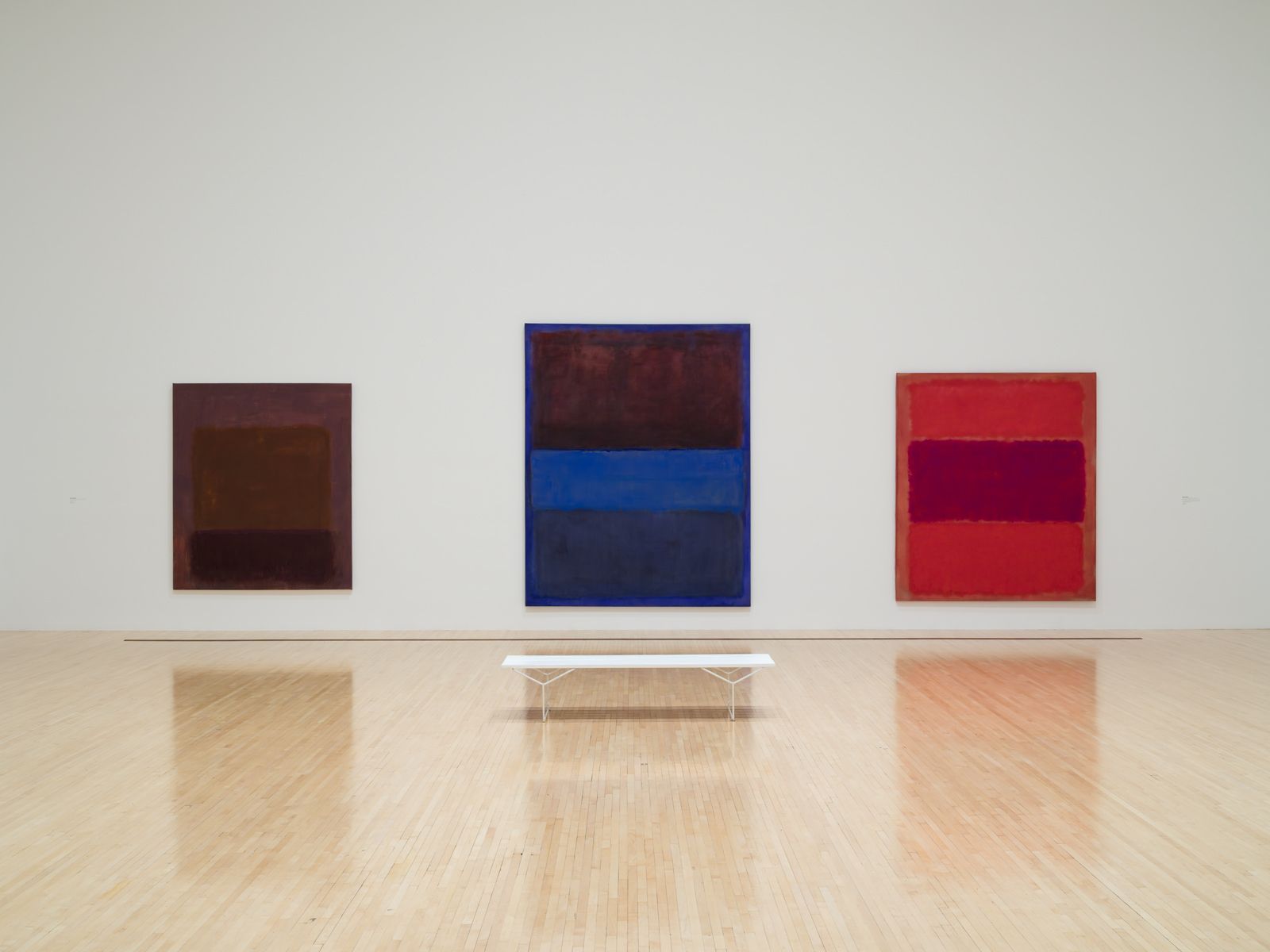
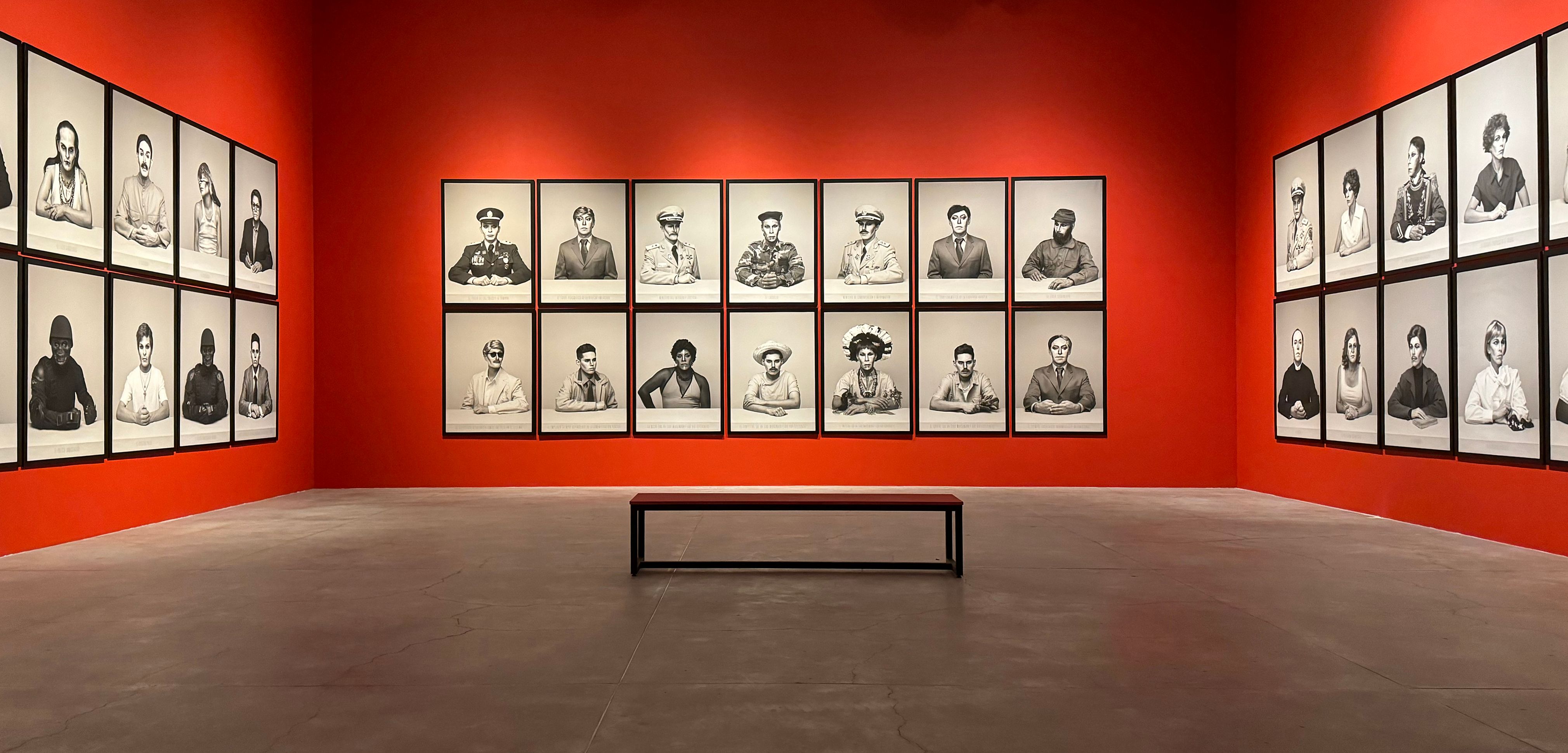
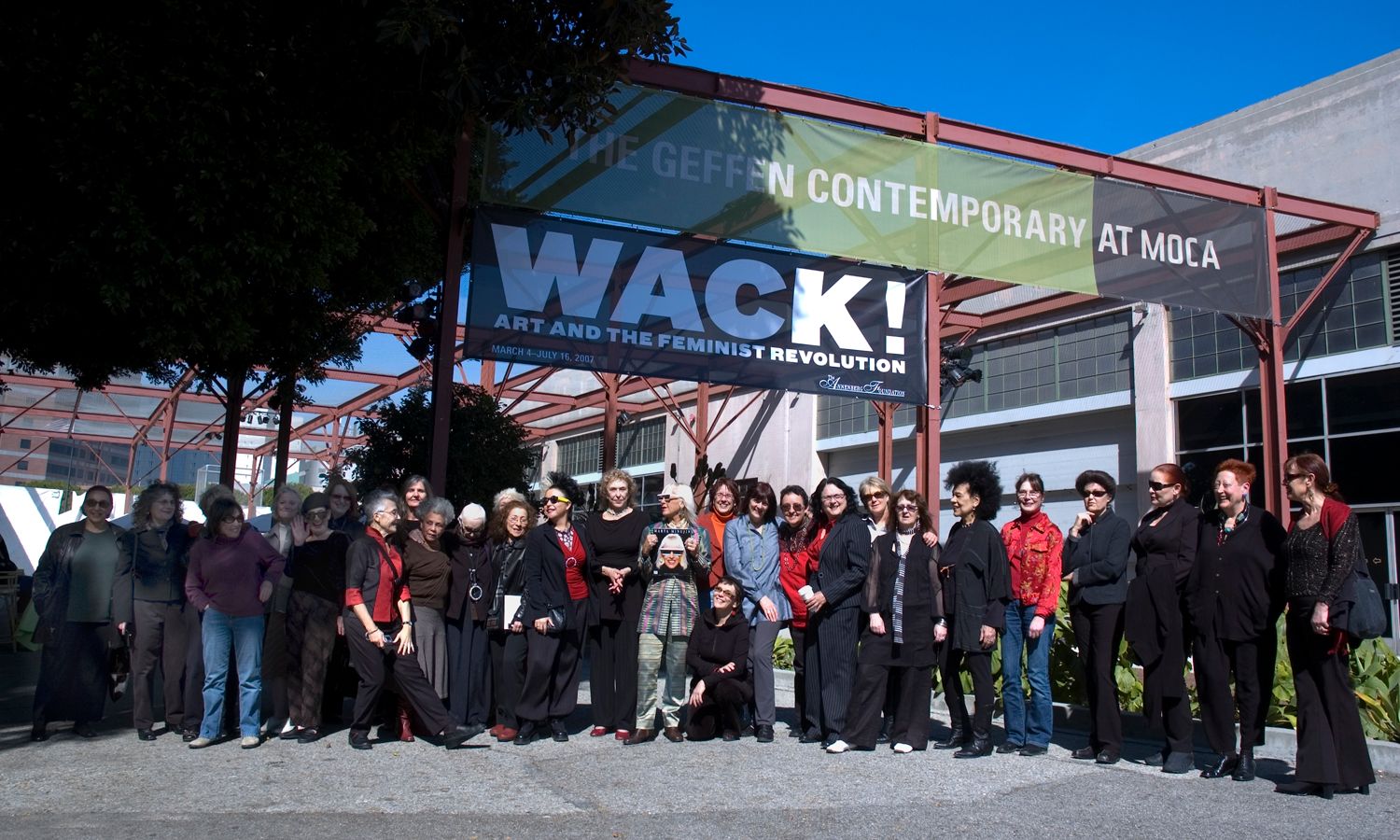
Installation view of WACK! Art and the Feminist Revolution, March 4 – July 16, 2007 at The Geffen Contemporary at MOCA, courtesy of The Museum of Contemporary Art, Los Angeles, photo by Brian Forrest
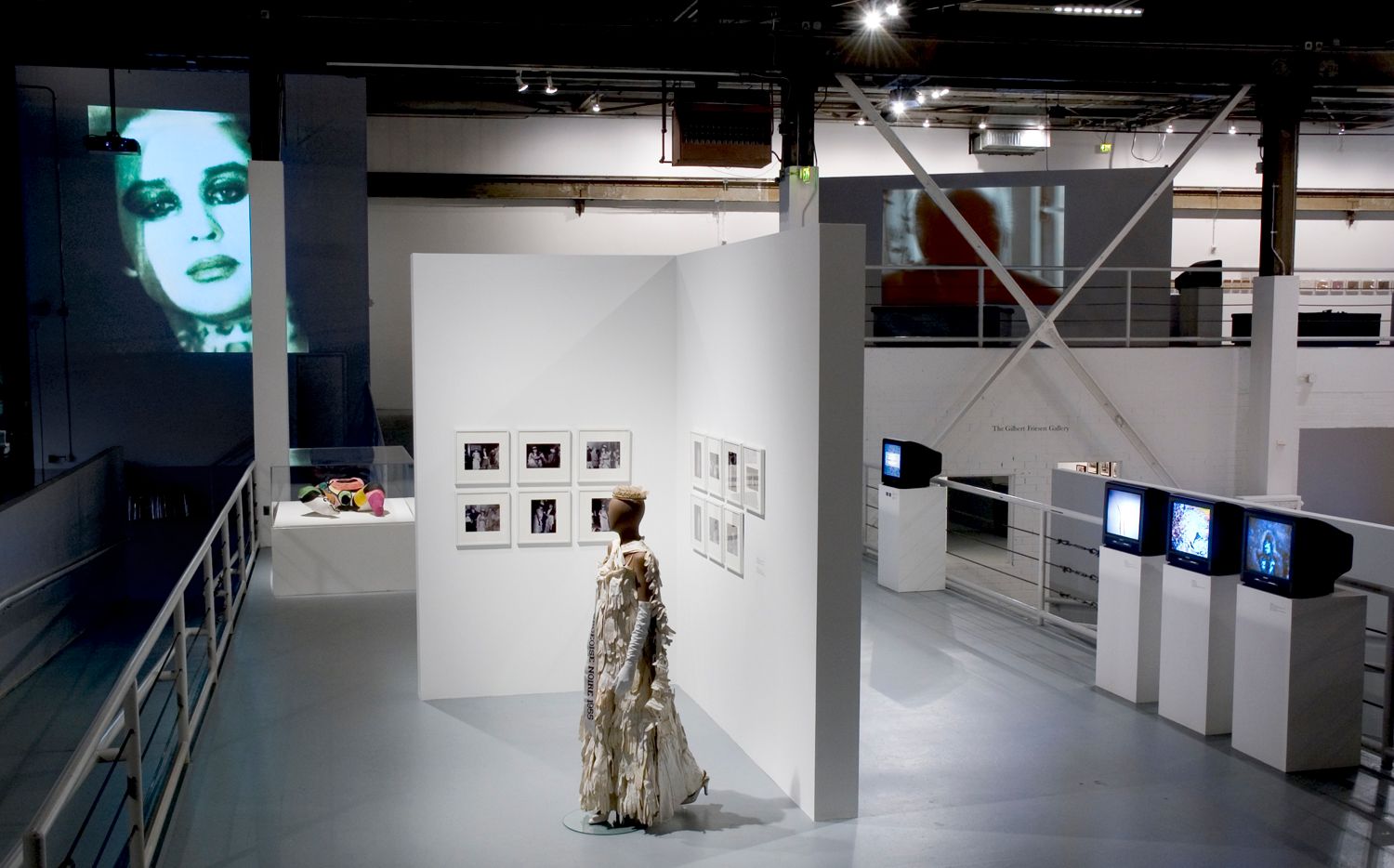
Installation view of WACK! Art and the Feminist Revolution, March 4 – July 16, 2007 at The Geffen Contemporary at MOCA, courtesy of The Museum of Contemporary Art, Los Angeles, photo by Brian Forrest
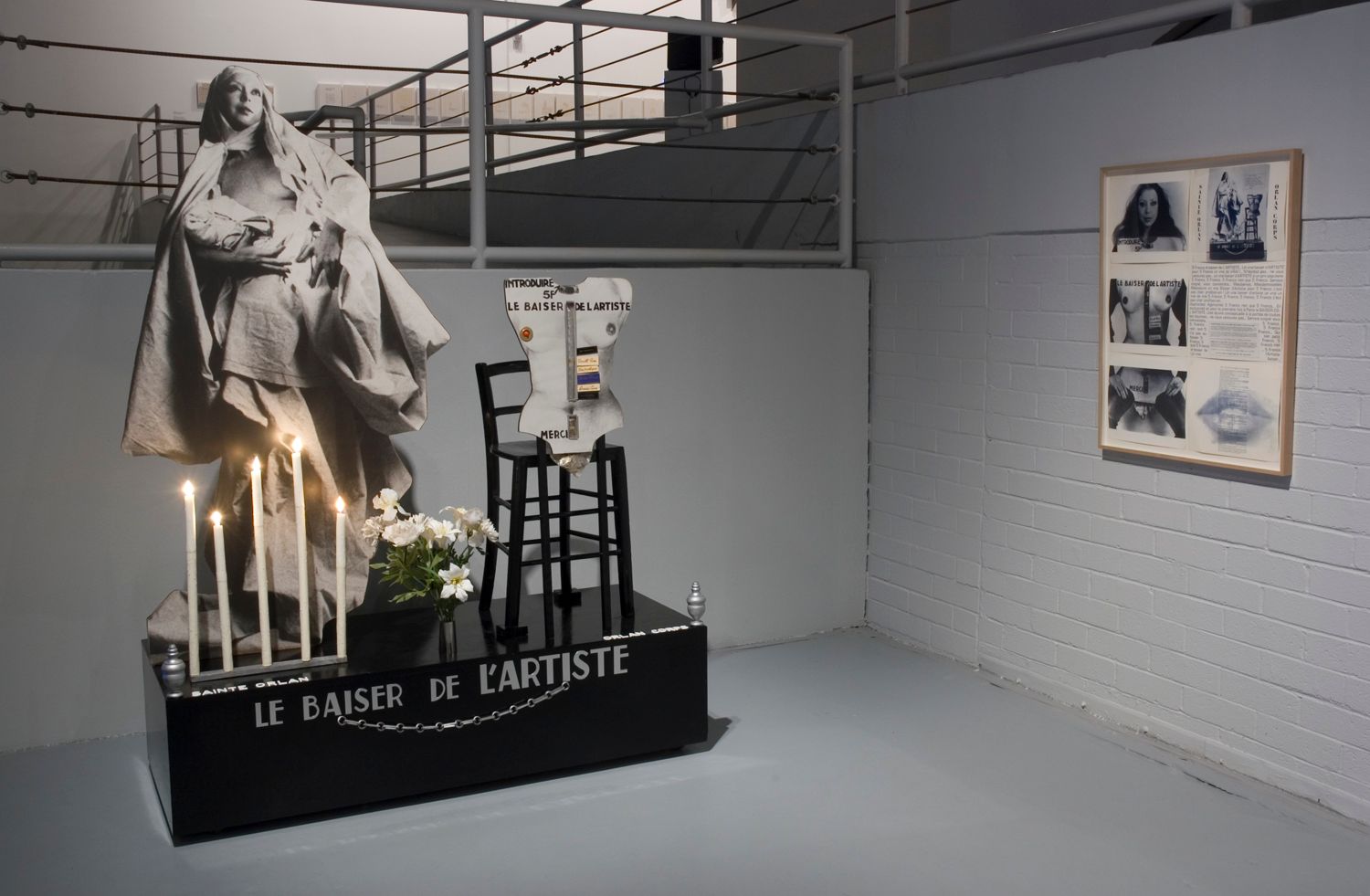
Installation view of WACK! Art and the Feminist Revolution, March 4 – July 16, 2007 at The Geffen Contemporary at MOCA, courtesy of The Museum of Contemporary Art, Los Angeles, photo by Brian Forrest
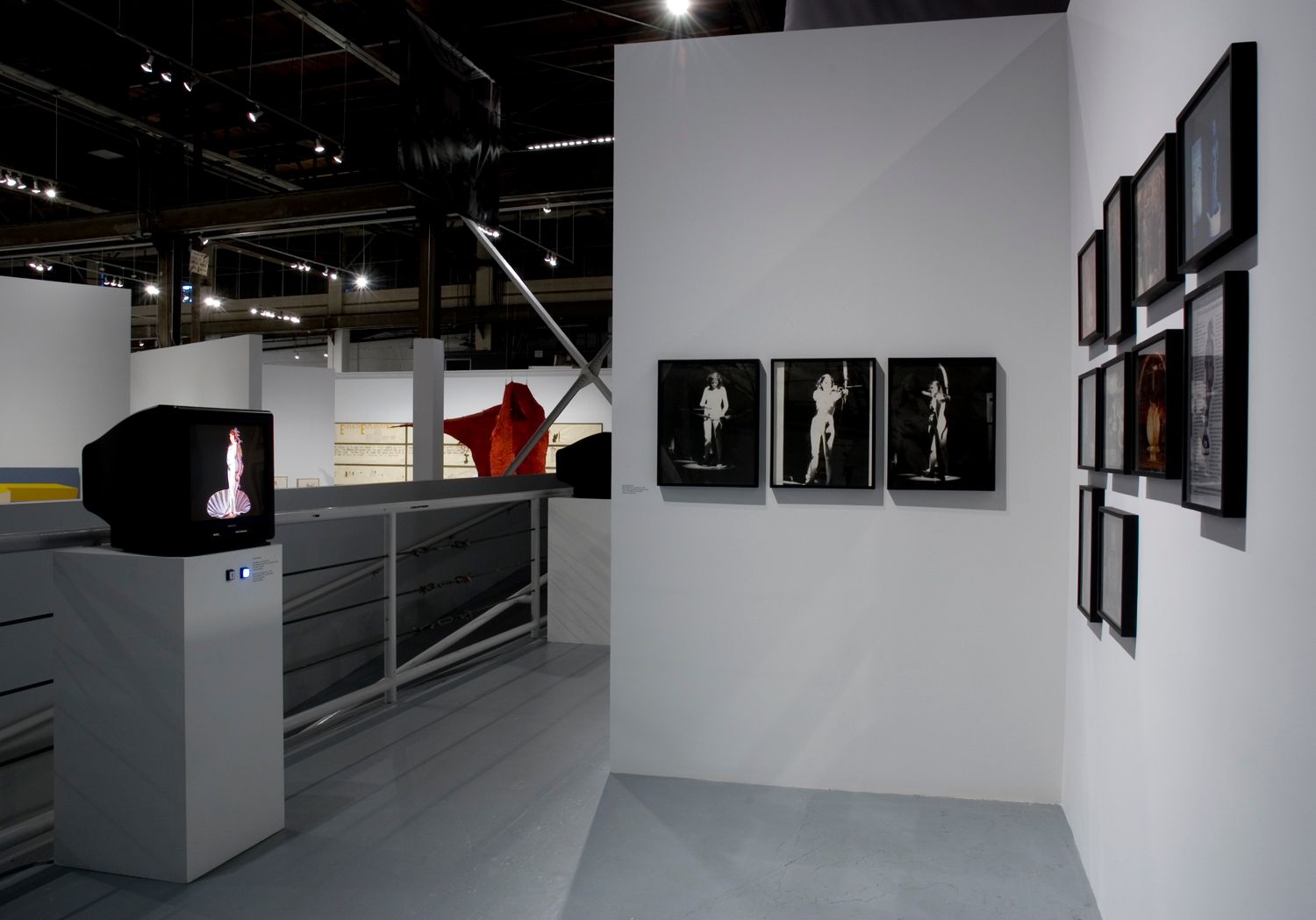
Installation view of WACK! Art and the Feminist Revolution, March 4 – July 16, 2007 at The Geffen Contemporary at MOCA, courtesy of The Museum of Contemporary Art, Los Angeles, photo by Brian Forrest
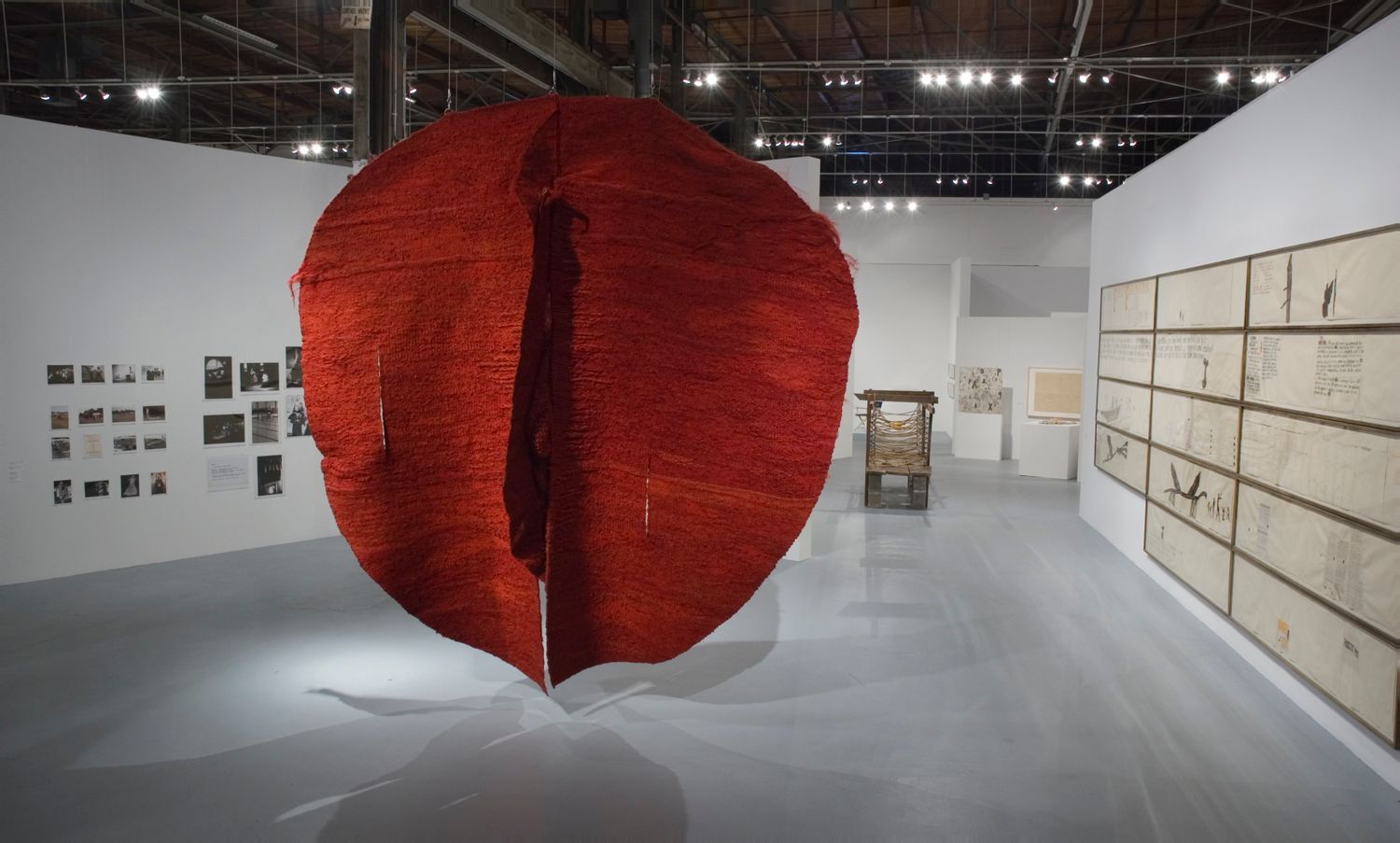
Installation view of WACK! Art and the Feminist Revolution, March 4 – July 16, 2007 at The Geffen Contemporary at MOCA, courtesy of The Museum of Contemporary Art, Los Angeles, photo by Brian Forrest
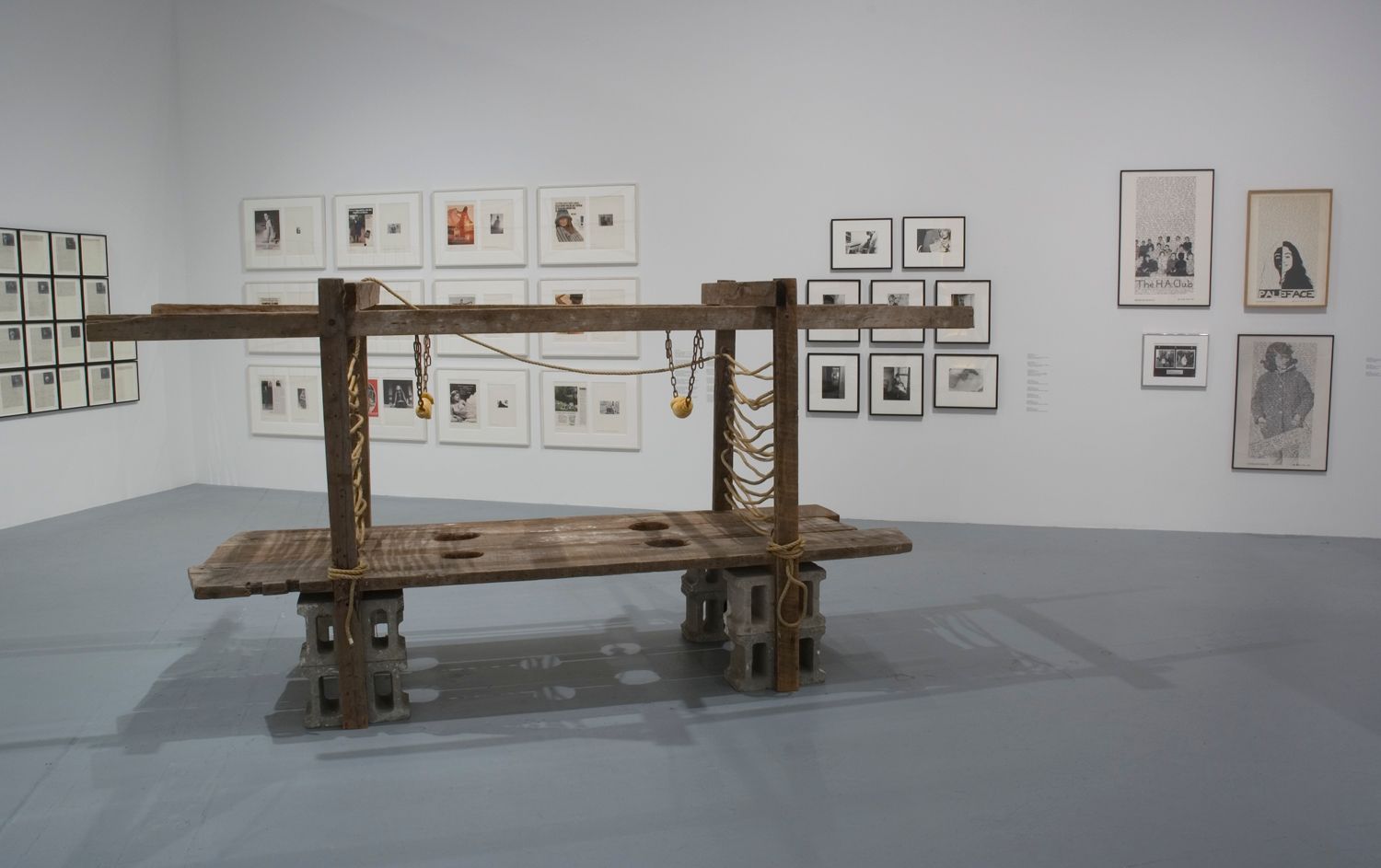
Installation view of WACK! Art and the Feminist Revolution, March 4 – July 16, 2007 at The Geffen Contemporary at MOCA, courtesy of The Museum of Contemporary Art, Los Angeles, photo by Brian Forrest
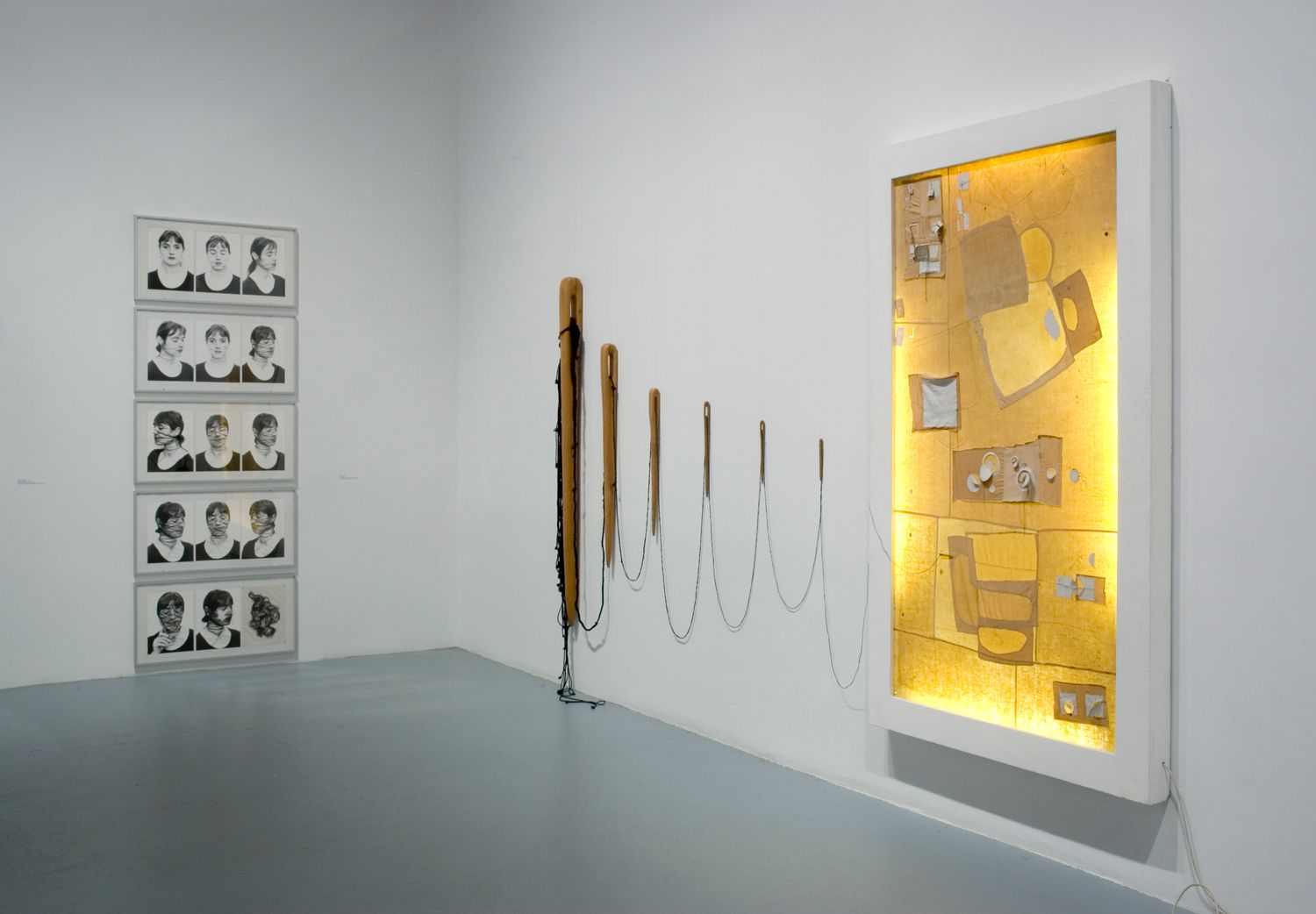
Installation view of WACK! Art and the Feminist Revolution, March 4 – July 16, 2007 at The Geffen Contemporary at MOCA, courtesy of The Museum of Contemporary Art, Los Angeles, photo by Brian Forrest
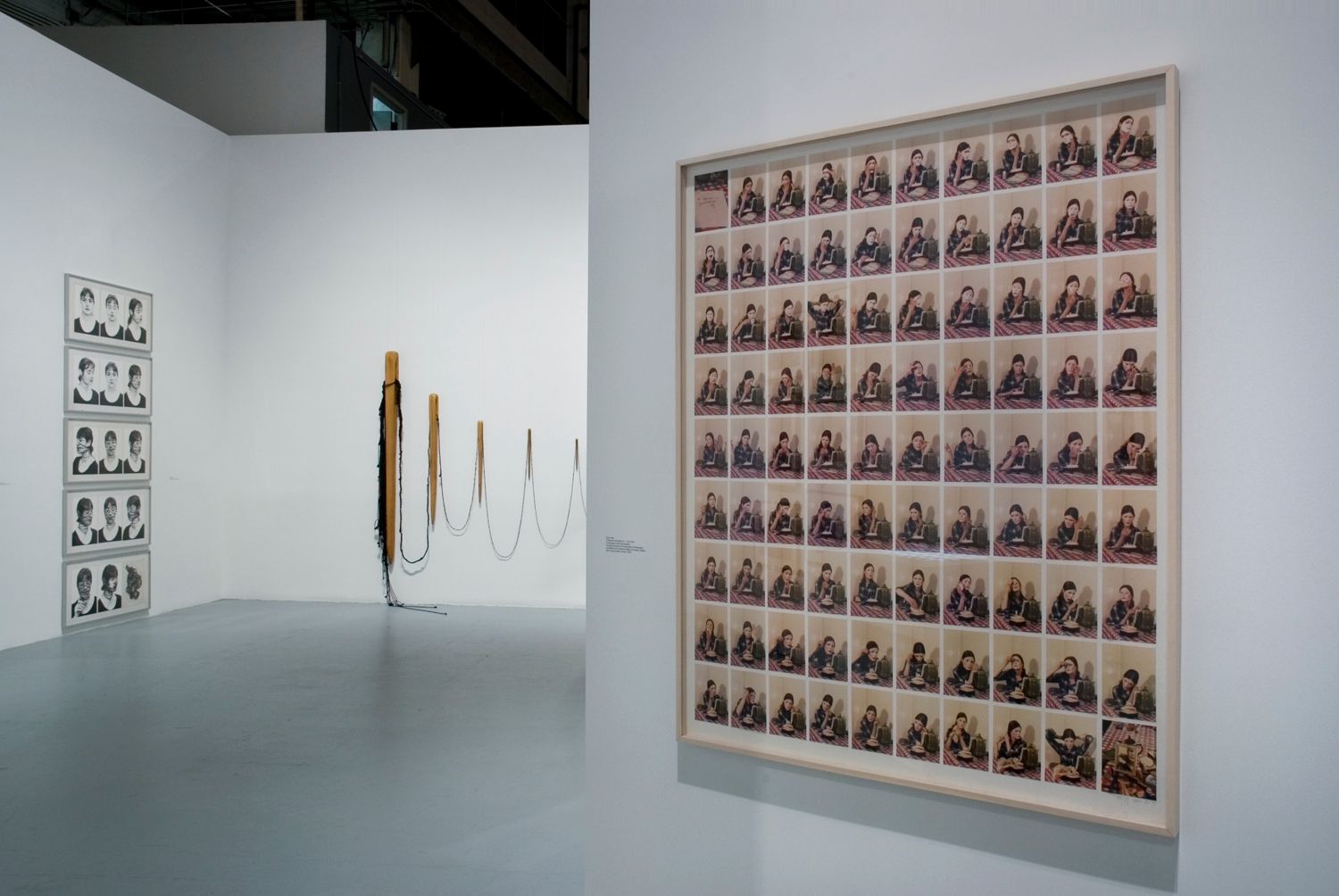
Installation view of WACK! Art and the Feminist Revolution, March 4 – July 16, 2007 at The Geffen Contemporary at MOCA, courtesy of The Museum of Contemporary Art, Los Angeles, photo by Brian Forrest
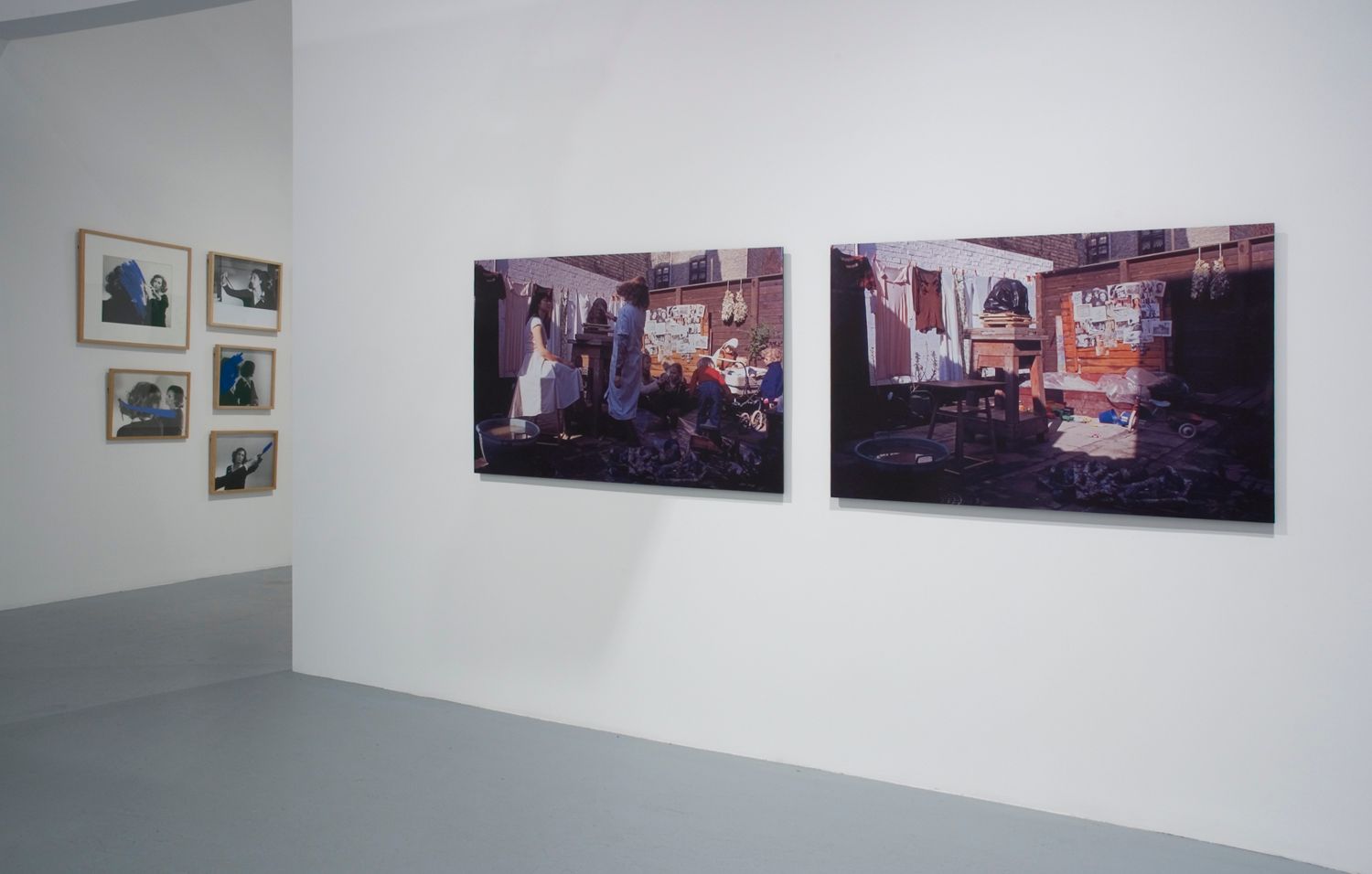
Installation view of WACK! Art and the Feminist Revolution, March 4 – July 16, 2007 at The Geffen Contemporary at MOCA, courtesy of The Museum of Contemporary Art, Los Angeles, photo by Brian Forrest
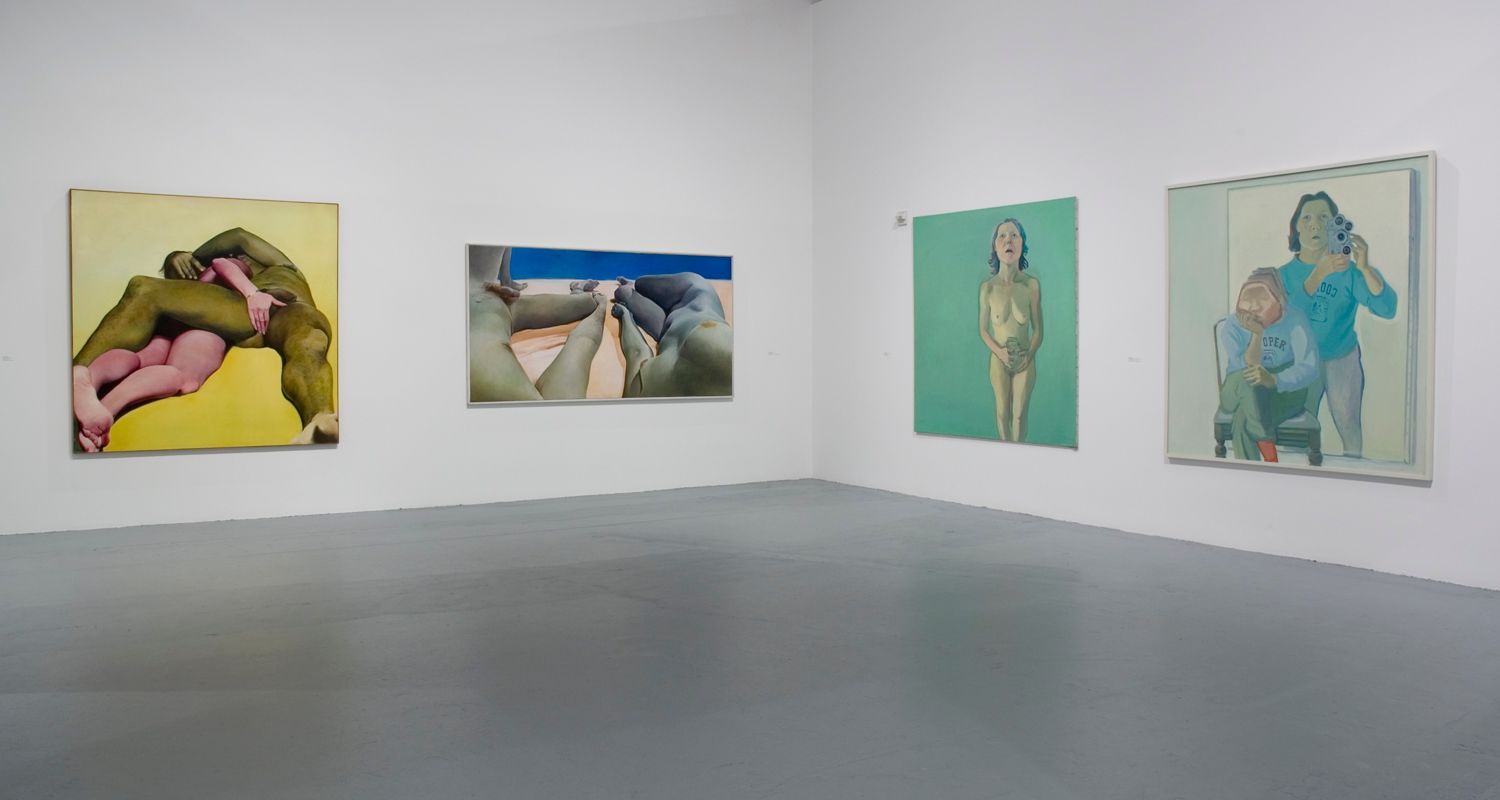
Installation view of WACK! Art and the Feminist Revolution, March 4 – July 16, 2007 at The Geffen Contemporary at MOCA, courtesy of The Museum of Contemporary Art, Los Angeles, photo by Brian Forrest
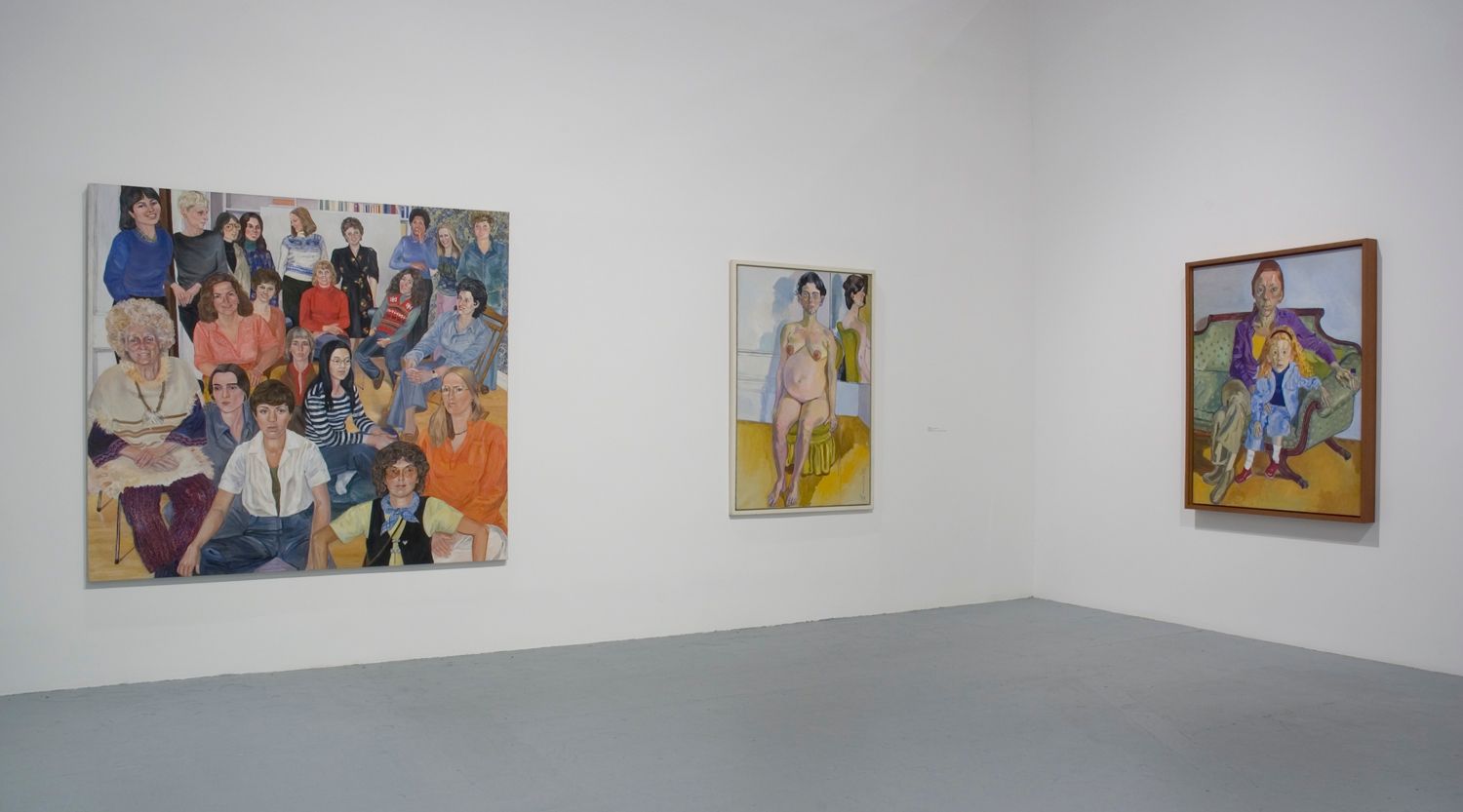
Installation view of WACK! Art and the Feminist Revolution, March 4 – July 16, 2007 at The Geffen Contemporary at MOCA, courtesy of The Museum of Contemporary Art, Los Angeles, photo by Brian Forrest
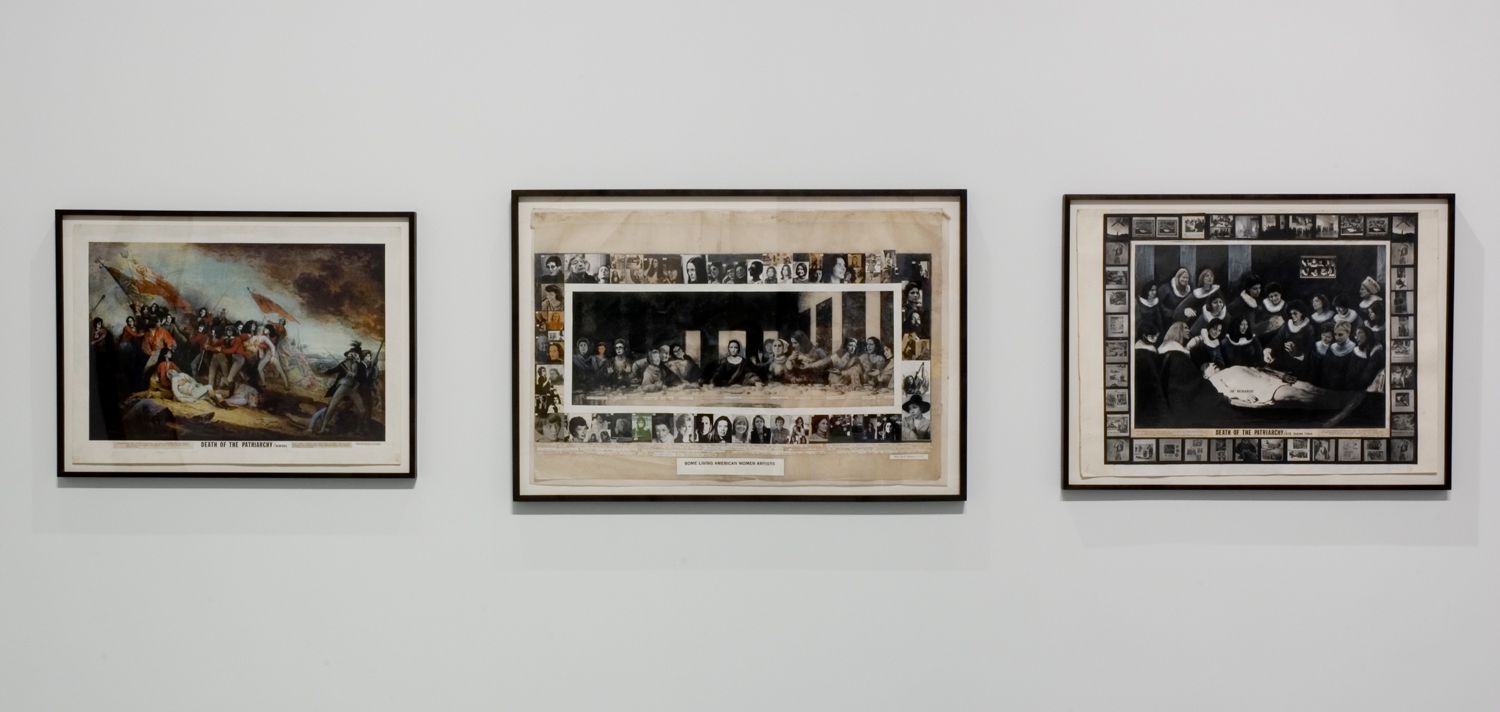
Installation view of WACK! Art and the Feminist Revolution, March 4 – July 16, 2007 at The Geffen Contemporary at MOCA, courtesy of The Museum of Contemporary Art, Los Angeles, photo by Brian Forrest
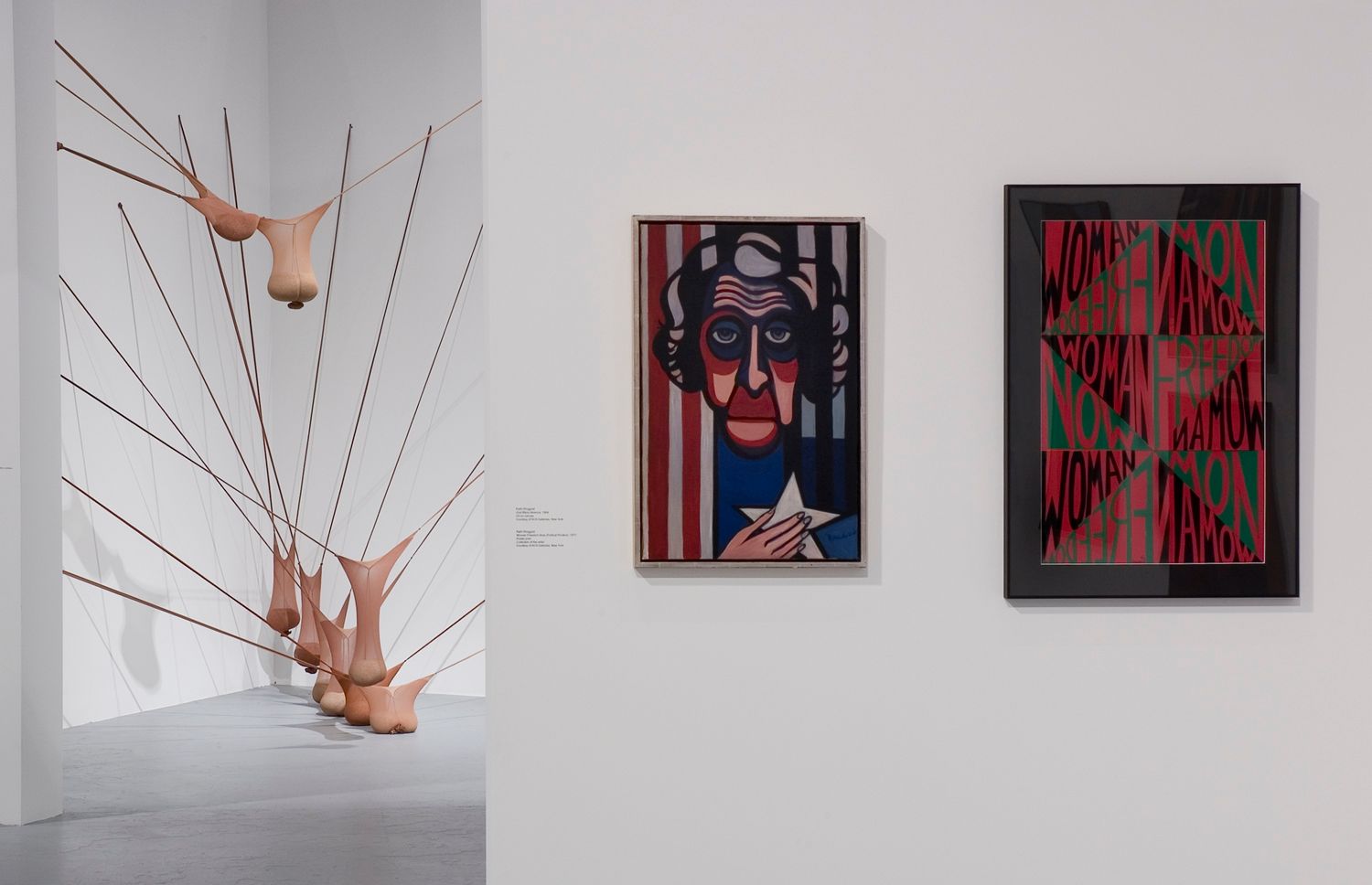
Installation view of WACK! Art and the Feminist Revolution, March 4 – July 16, 2007 at The Geffen Contemporary at MOCA, courtesy of The Museum of Contemporary Art, Los Angeles, photo by Brian Forrest
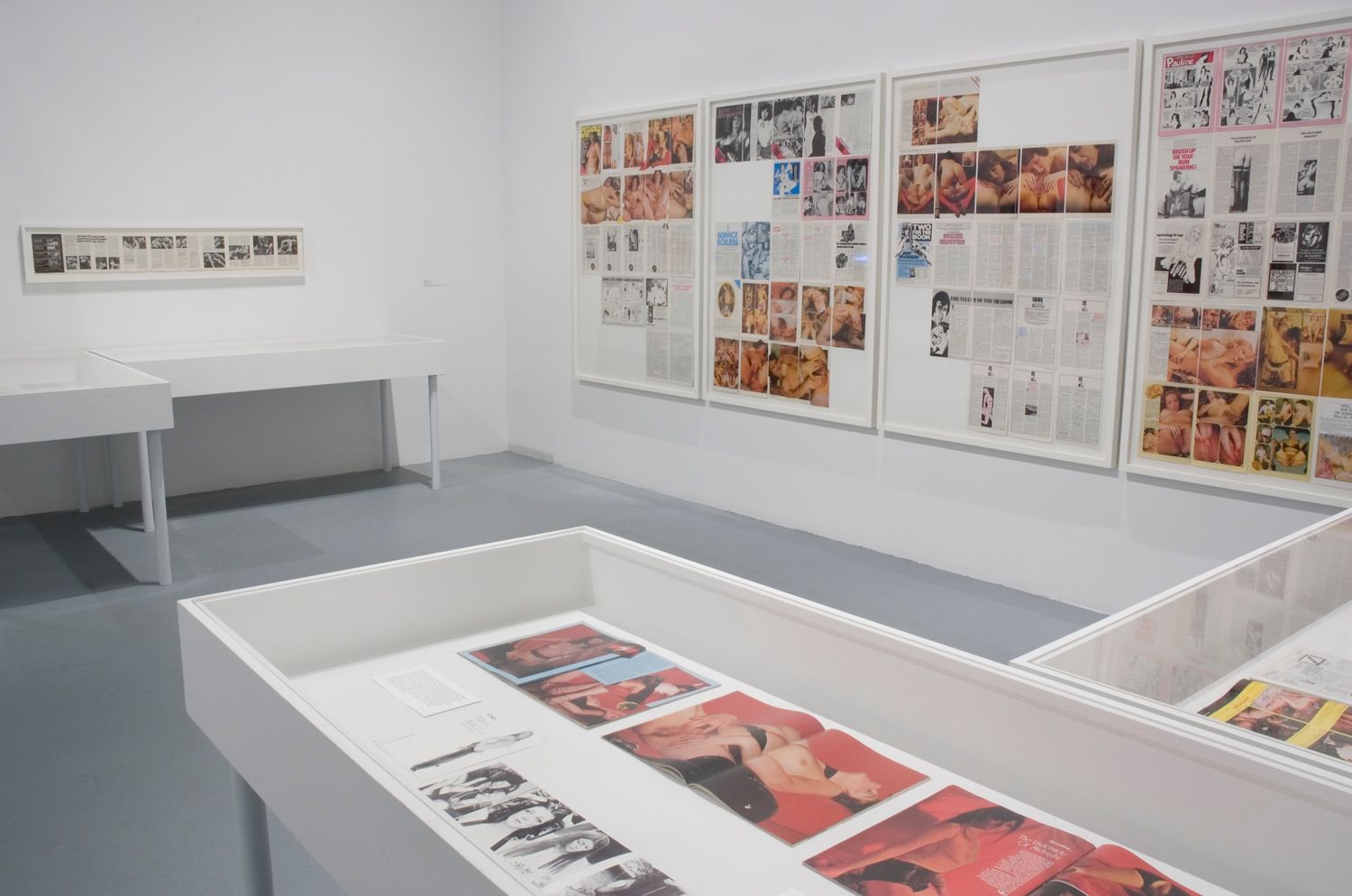
Installation view of WACK! Art and the Feminist Revolution, March 4 – July 16, 2007 at The Geffen Contemporary at MOCA, courtesy of The Museum of Contemporary Art, Los Angeles, photo by Brian Forrest
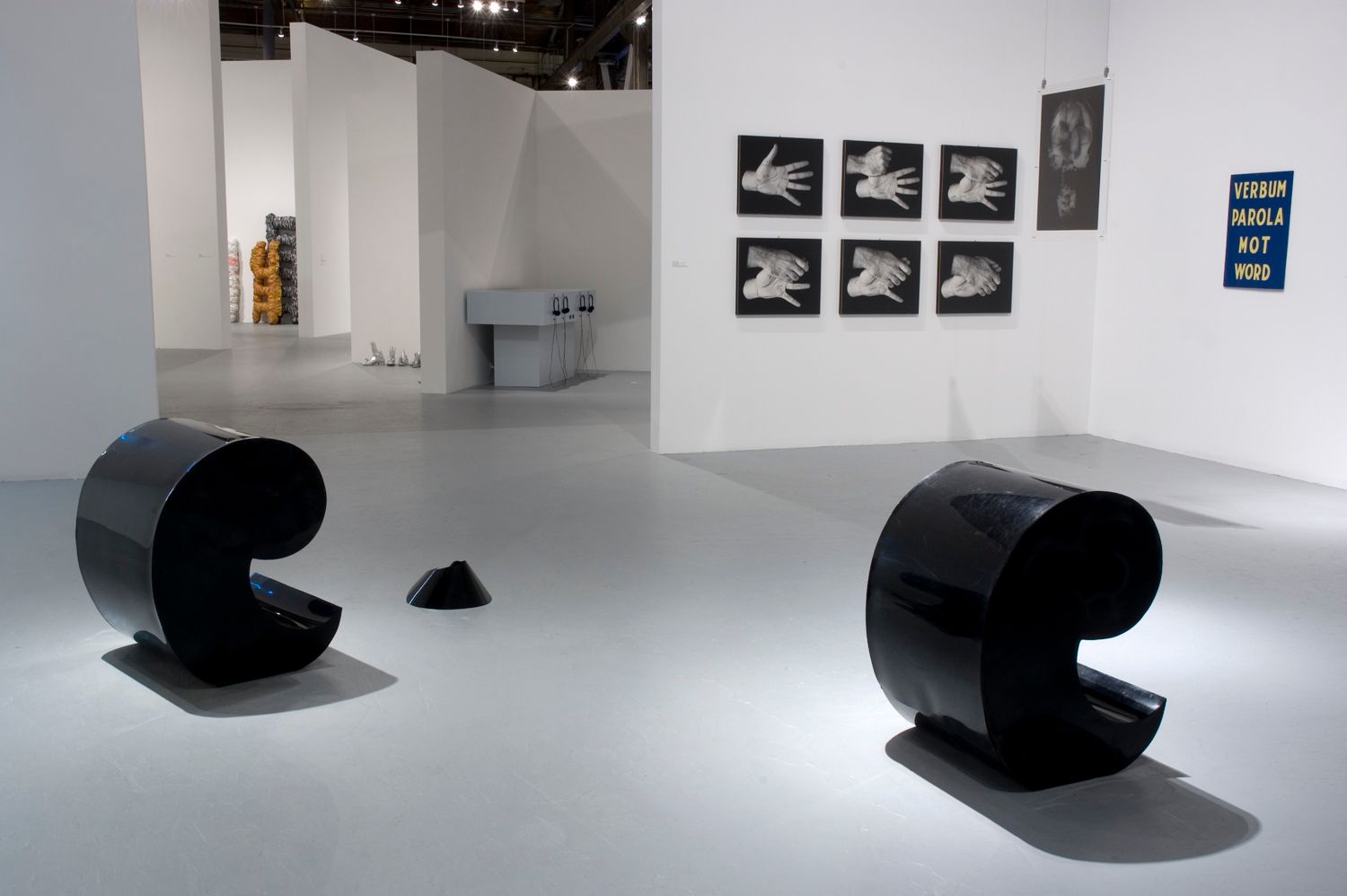
Installation view of WACK! Art and the Feminist Revolution, March 4 – July 16, 2007 at The Geffen Contemporary at MOCA, courtesy of The Museum of Contemporary Art, Los Angeles, photo by Brian Forrest
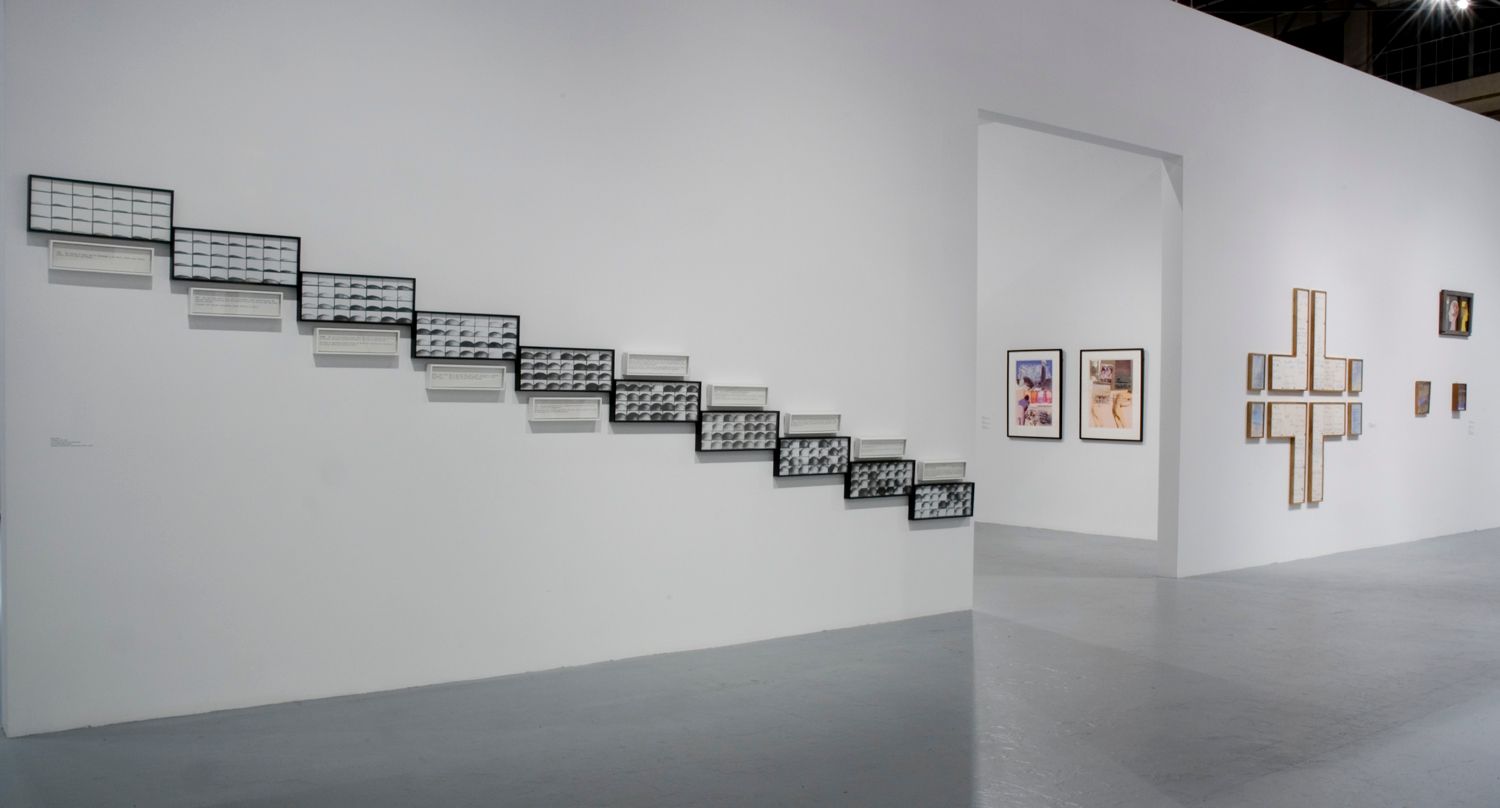
Installation view of WACK! Art and the Feminist Revolution, March 4 – July 16, 2007 at The Geffen Contemporary at MOCA, courtesy of The Museum of Contemporary Art, Los Angeles, photo by Brian Forrest
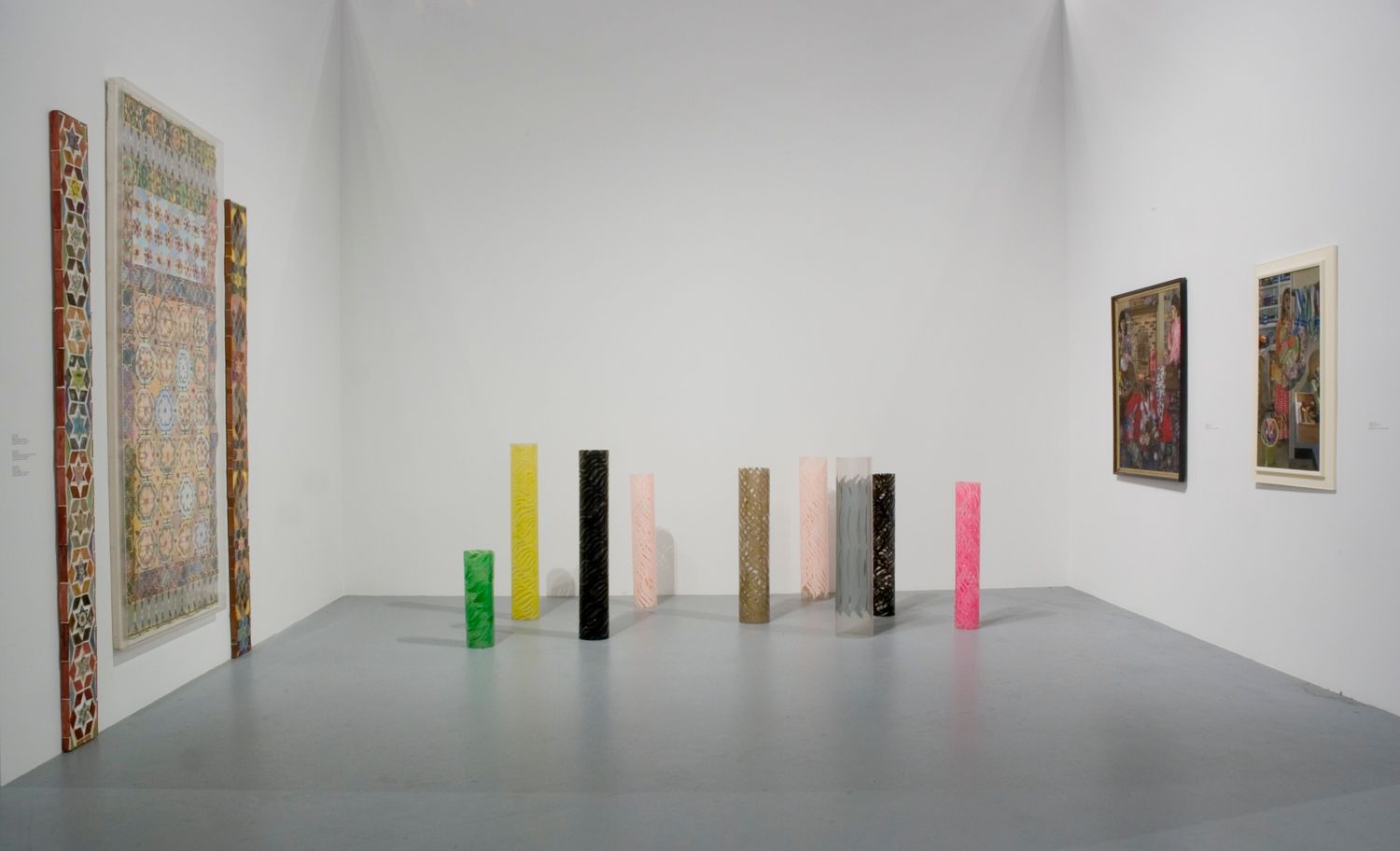
Installation view of WACK! Art and the Feminist Revolution, March 4 – July 16, 2007 at The Geffen Contemporary at MOCA, courtesy of The Museum of Contemporary Art, Los Angeles, photo by Brian Forrest
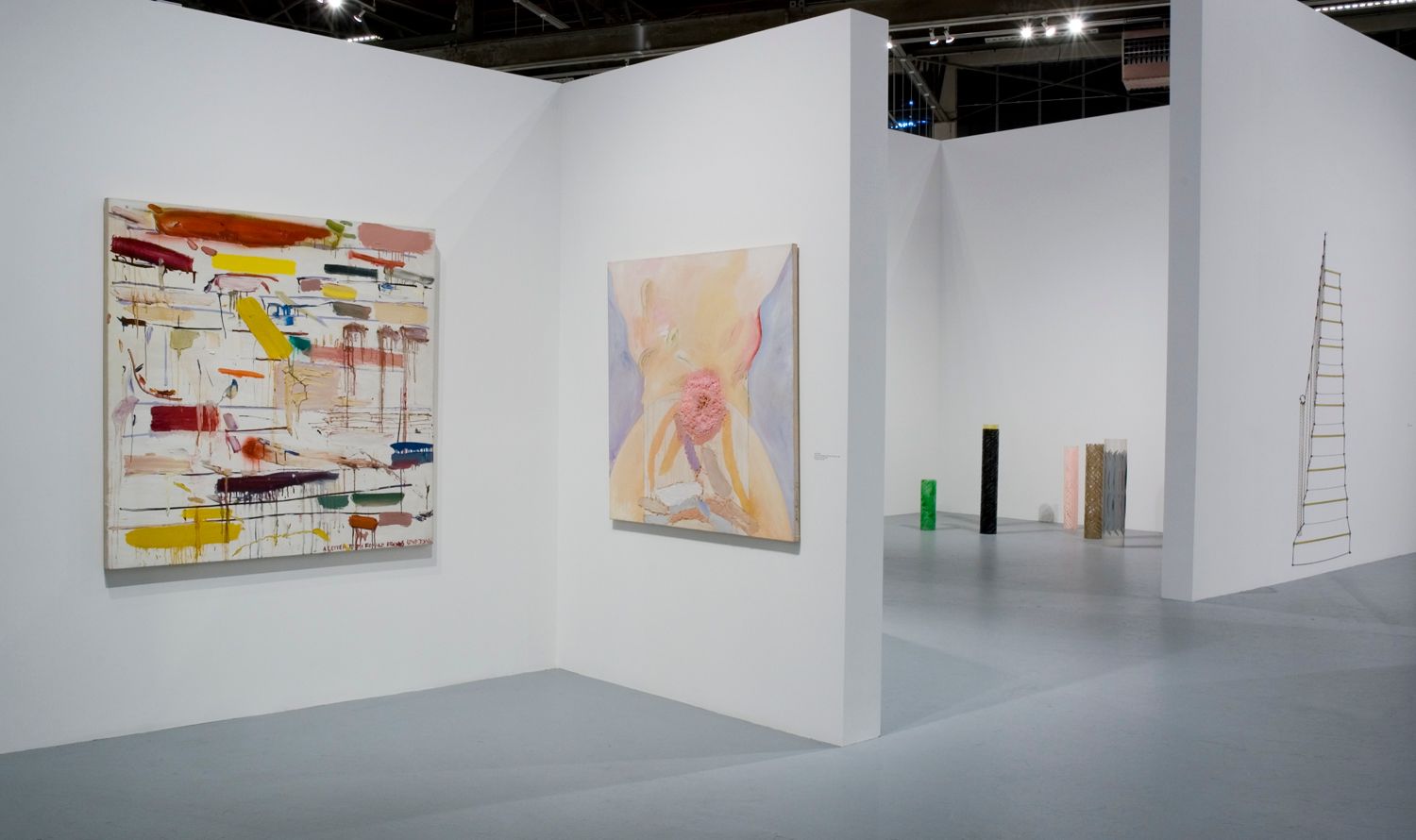
Installation view of WACK! Art and the Feminist Revolution, March 4 – July 16, 2007 at The Geffen Contemporary at MOCA, courtesy of The Museum of Contemporary Art, Los Angeles, photo by Brian Forrest
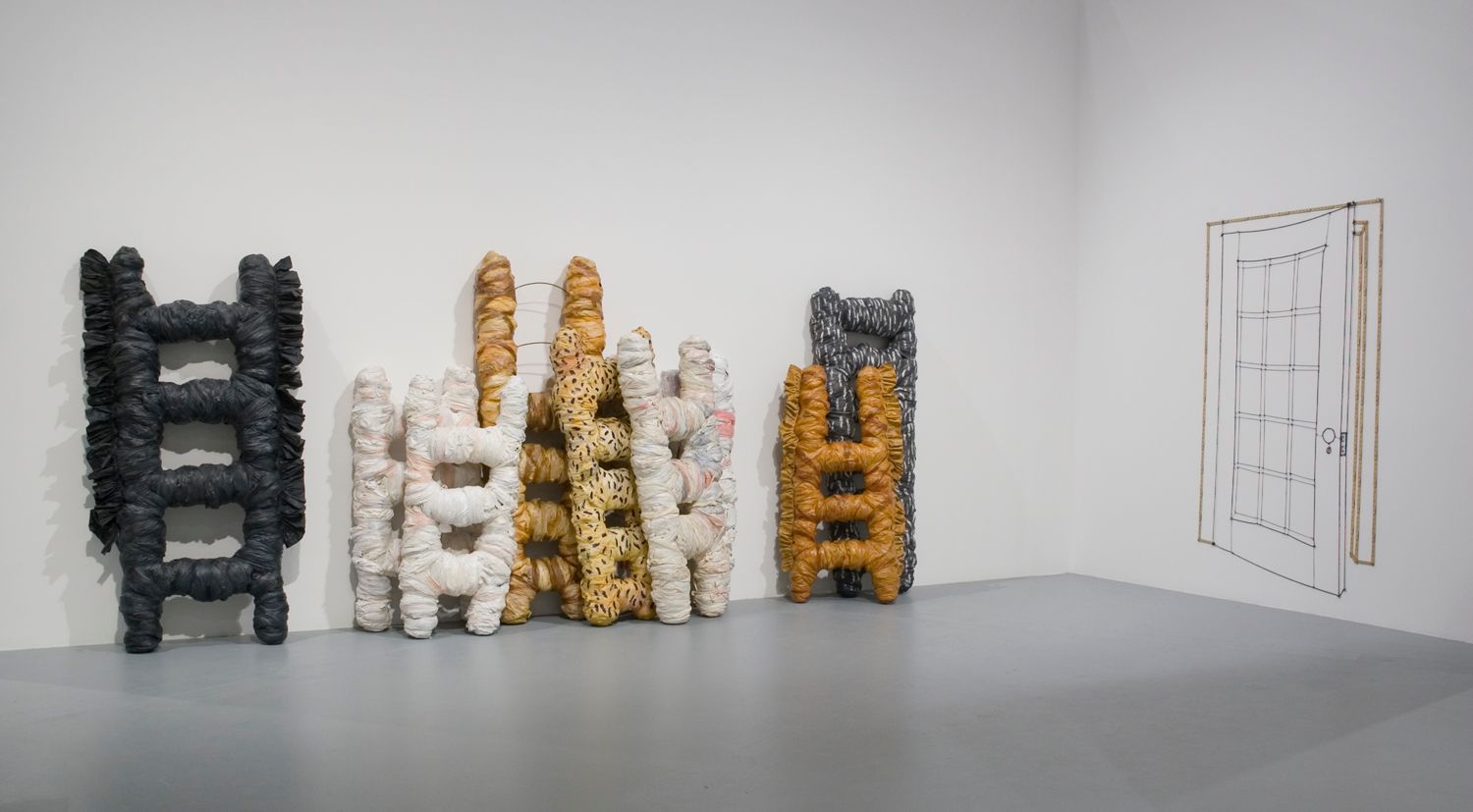
Installation view of WACK! Art and the Feminist Revolution, March 4 – July 16, 2007 at The Geffen Contemporary at MOCA, courtesy of The Museum of Contemporary Art, Los Angeles, photo by Brian Forrest
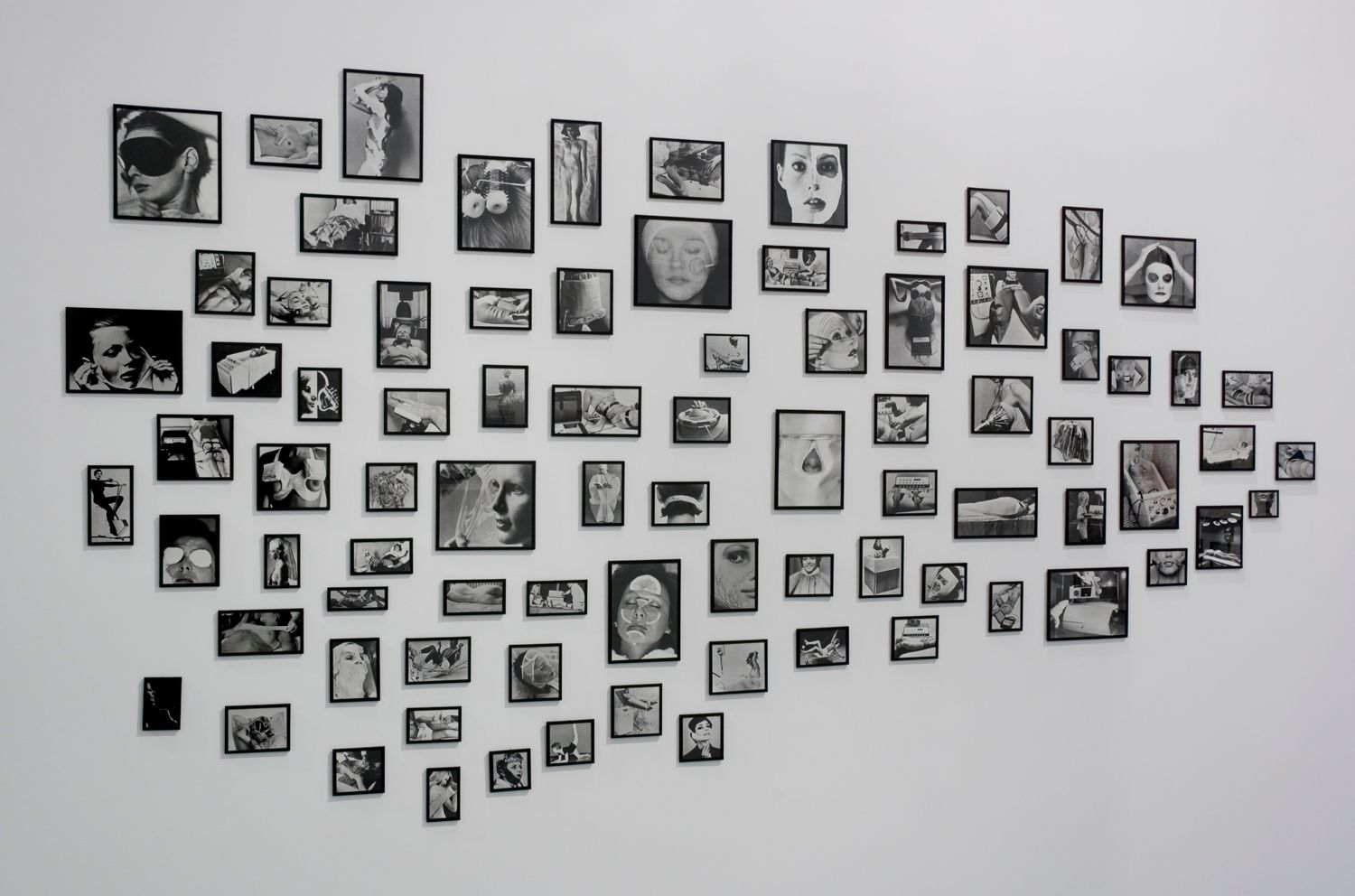
Installation view of WACK! Art and the Feminist Revolution, March 4 – July 16, 2007 at The Geffen Contemporary at MOCA, courtesy of The Museum of Contemporary Art, Los Angeles, photo by Brian Forrest
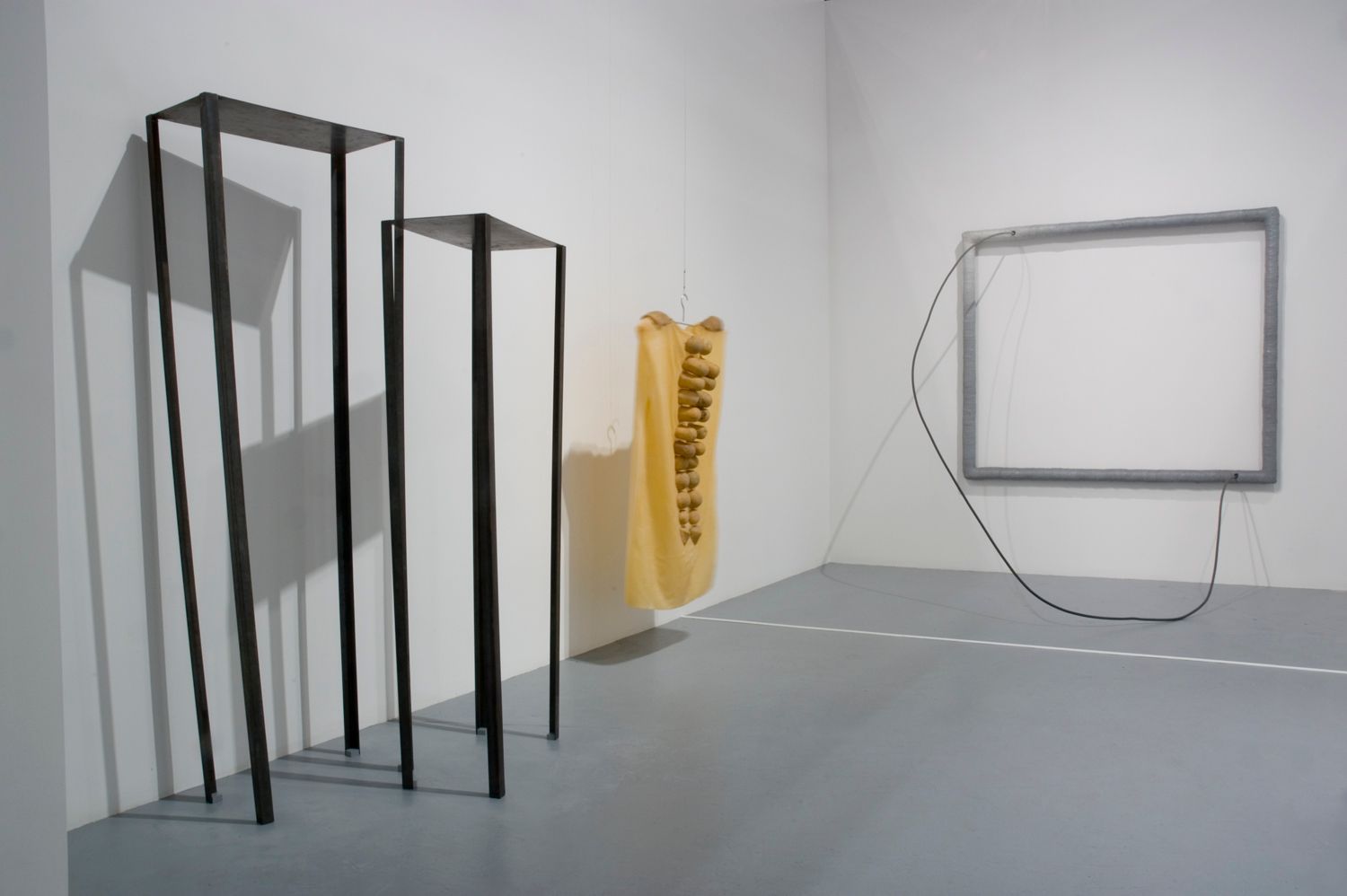
Installation view of WACK! Art and the Feminist Revolution, March 4 – July 16, 2007 at The Geffen Contemporary at MOCA, courtesy of The Museum of Contemporary Art, Los Angeles, photo by Brian Forrest
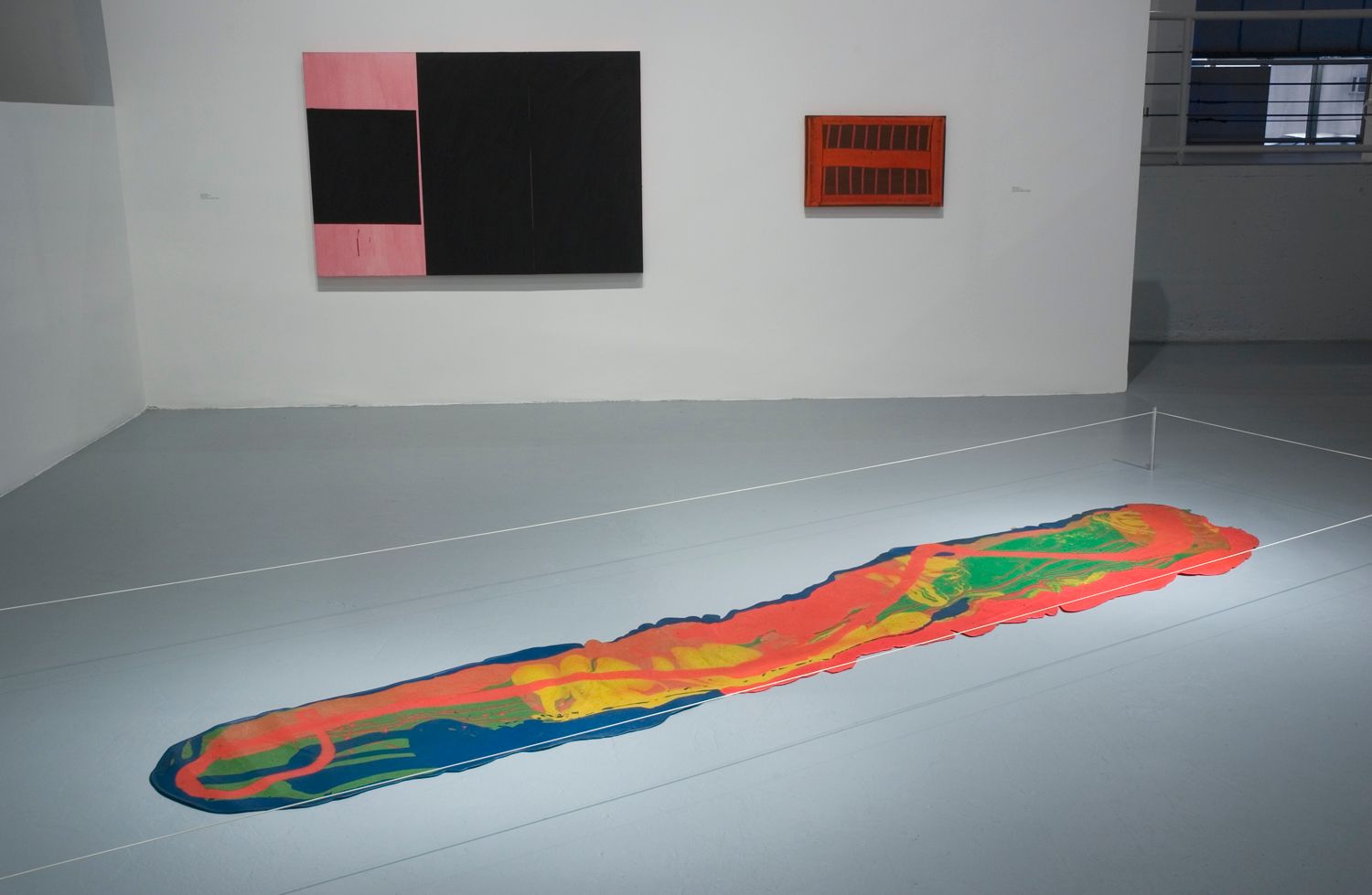
Installation view of WACK! Art and the Feminist Revolution, March 4 – July 16, 2007 at The Geffen Contemporary at MOCA, courtesy of The Museum of Contemporary Art, Los Angeles, photo by Brian Forrest
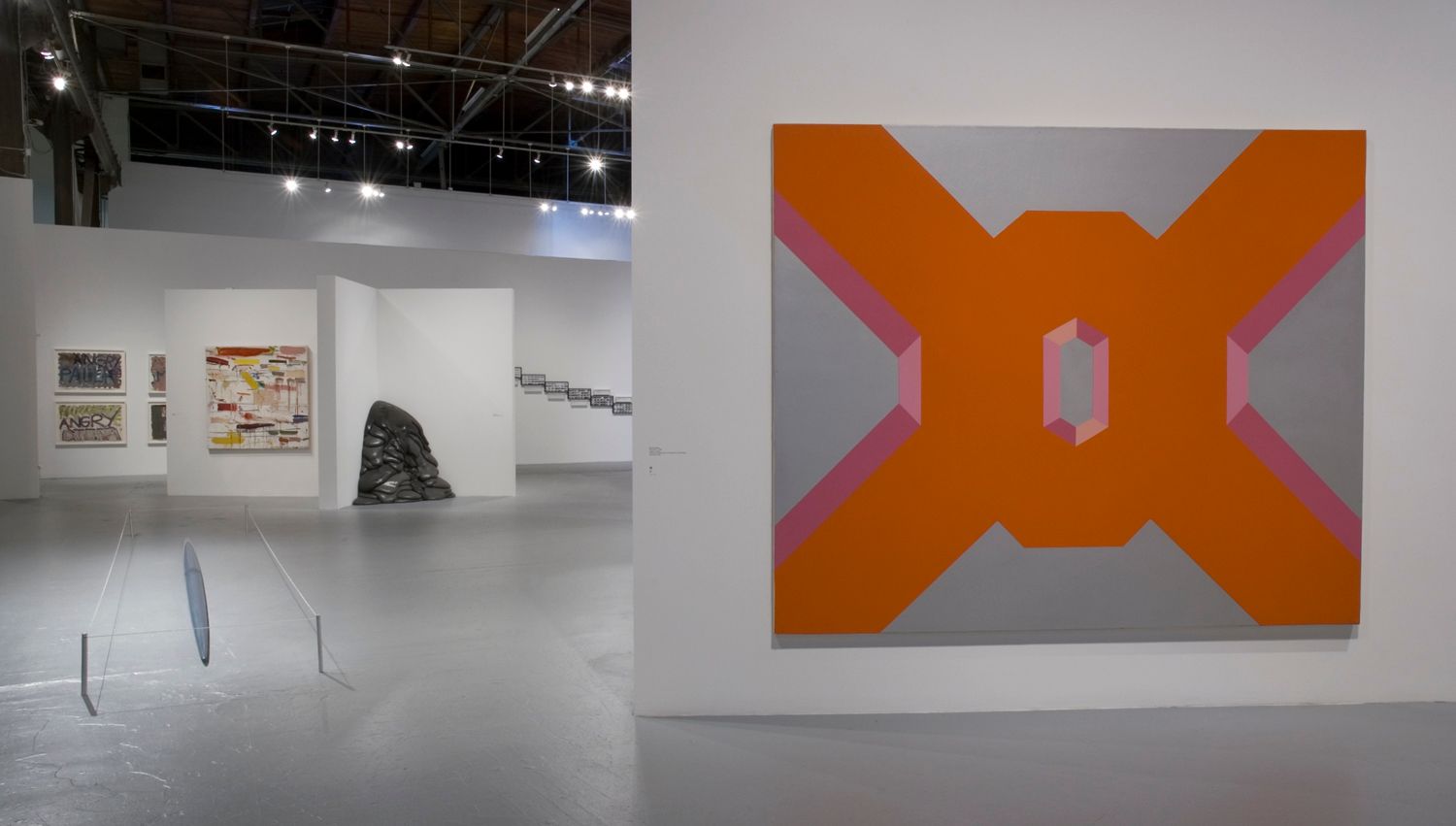
Installation view of WACK! Art and the Feminist Revolution, March 4 – July 16, 2007 at The Geffen Contemporary at MOCA, courtesy of The Museum of Contemporary Art, Los Angeles, photo by Brian Forrest
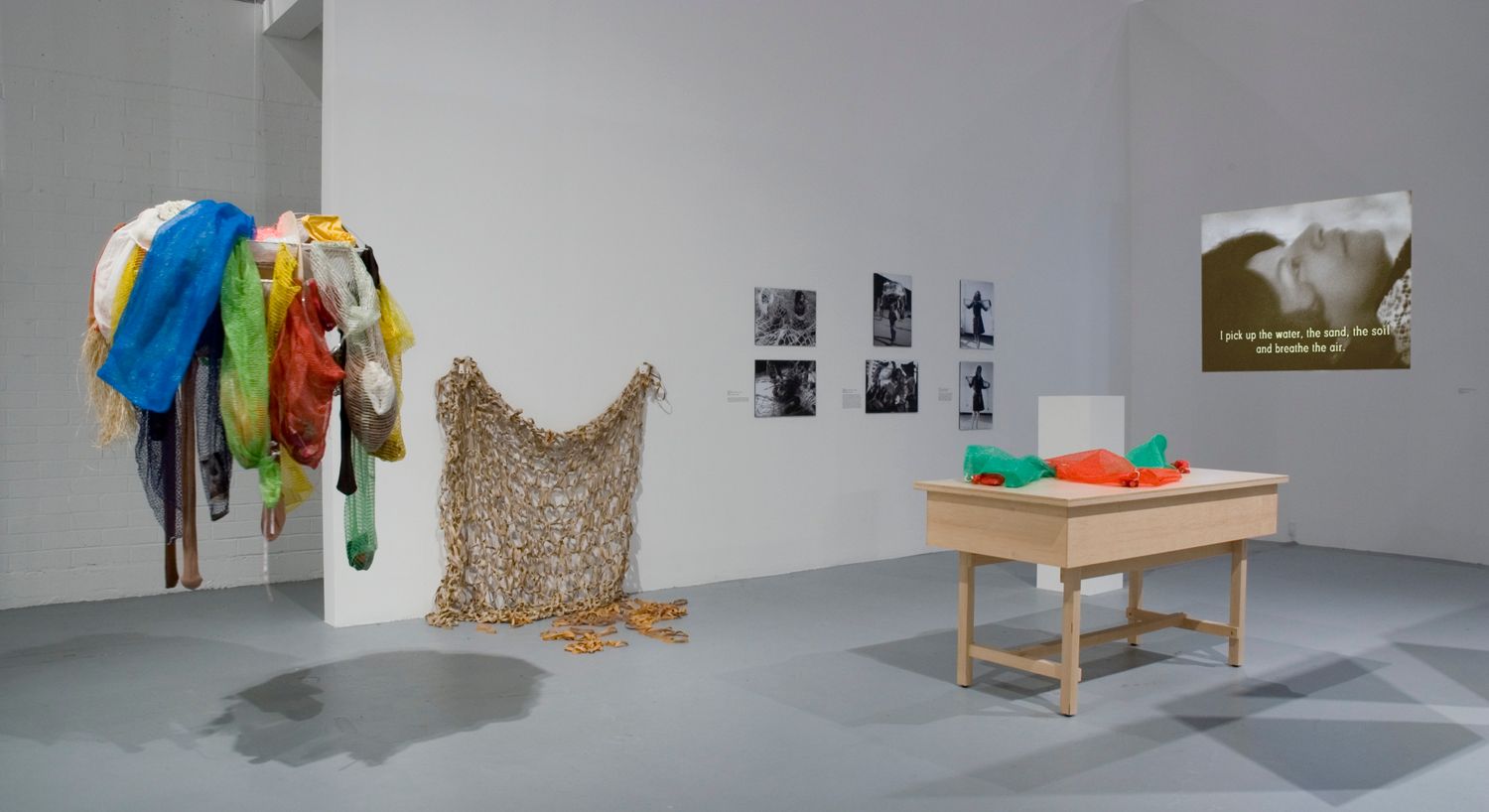
Installation view of WACK! Art and the Feminist Revolution, March 4 – July 16, 2007 at The Geffen Contemporary at MOCA, courtesy of The Museum of Contemporary Art, Los Angeles, photo by Brian Forrest
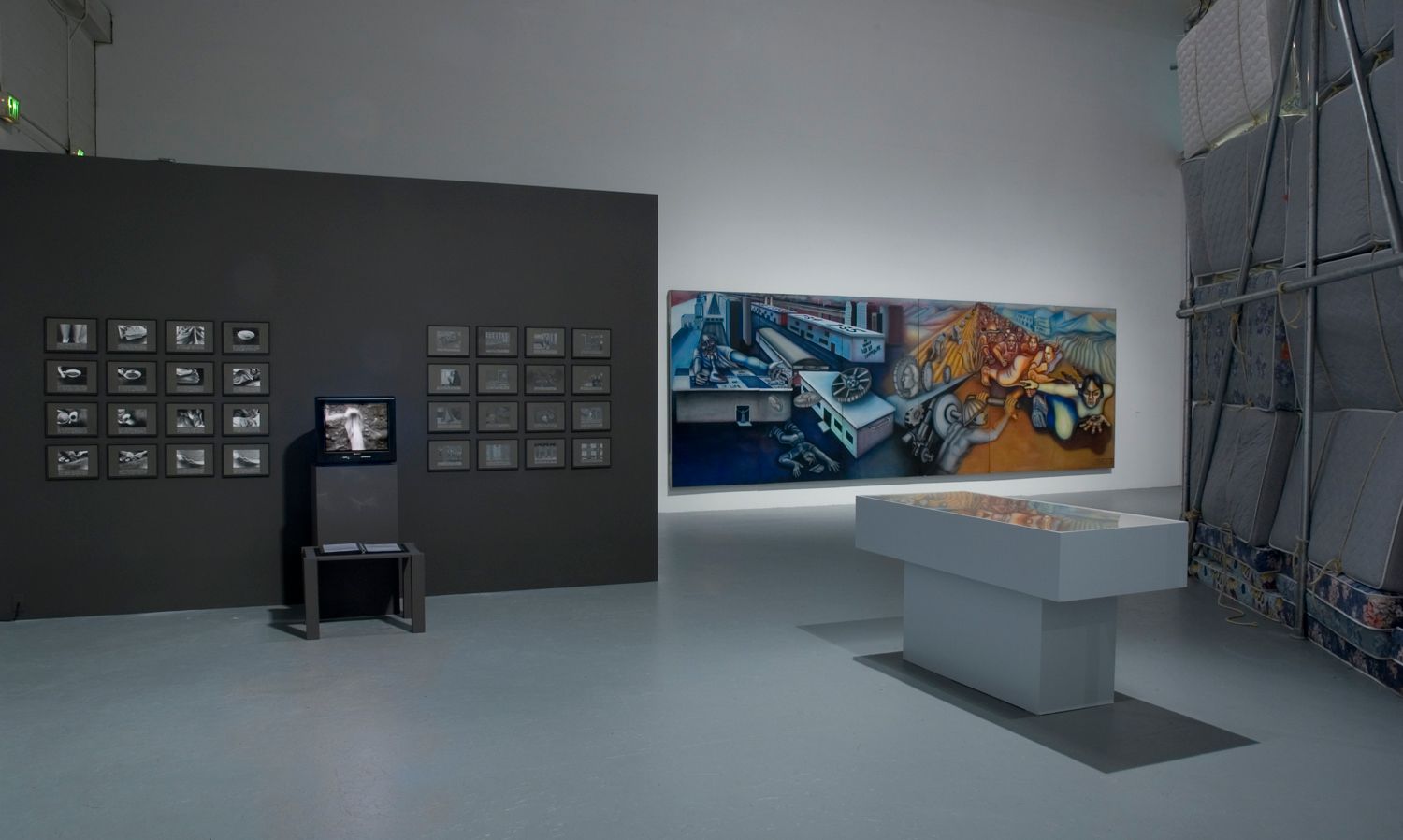
Installation view of WACK! Art and the Feminist Revolution, March 4 – July 16, 2007 at The Geffen Contemporary at MOCA, courtesy of The Museum of Contemporary Art, Los Angeles, photo by Brian Forrest
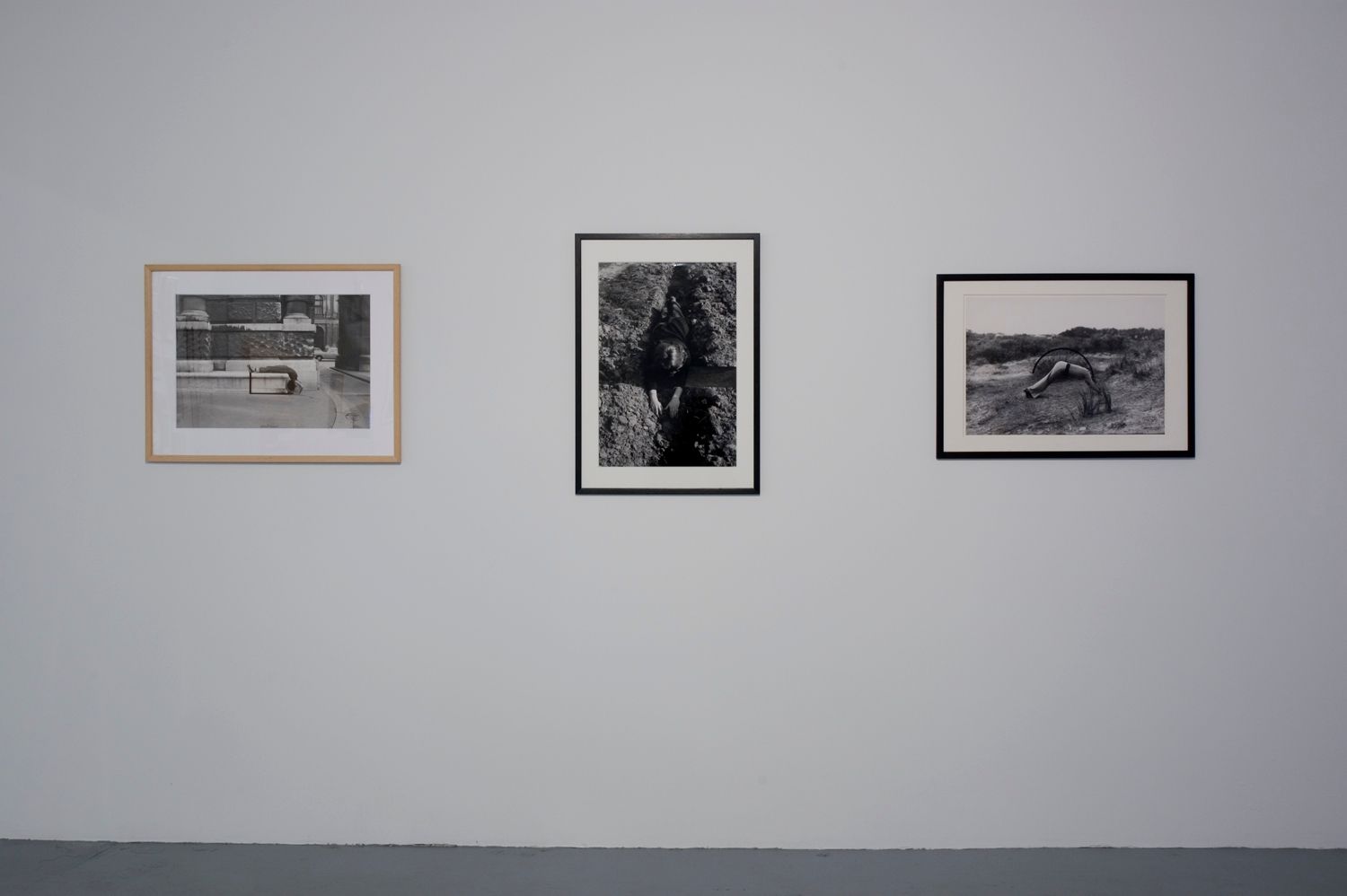
Installation view of WACK! Art and the Feminist Revolution, March 4 – July 16, 2007 at The Geffen Contemporary at MOCA, courtesy of The Museum of Contemporary Art, Los Angeles, photo by Brian Forrest
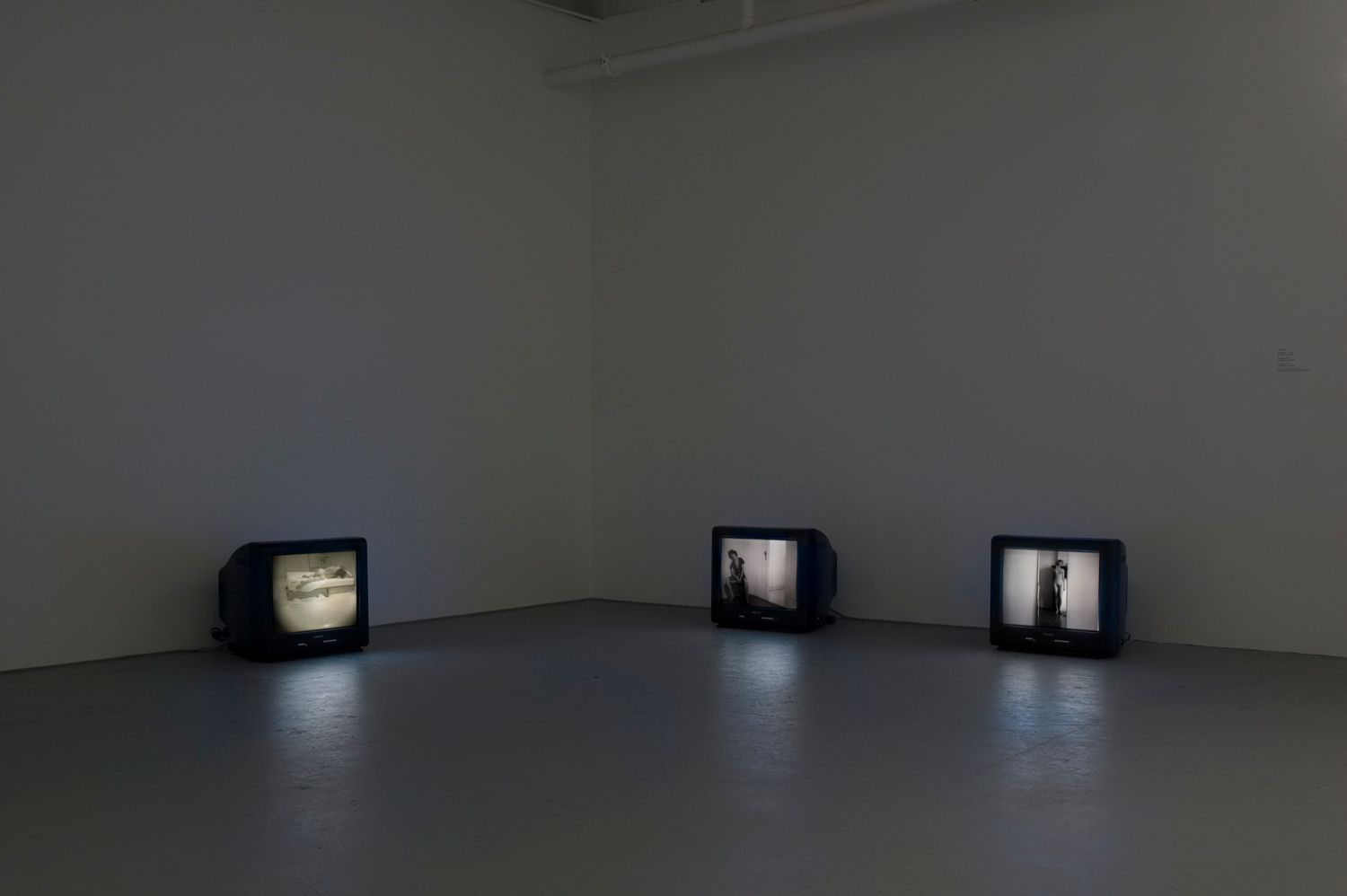
Installation view of WACK! Art and the Feminist Revolution, March 4 – July 16, 2007 at The Geffen Contemporary at MOCA, courtesy of The Museum of Contemporary Art, Los Angeles, photo by Brian Forrest
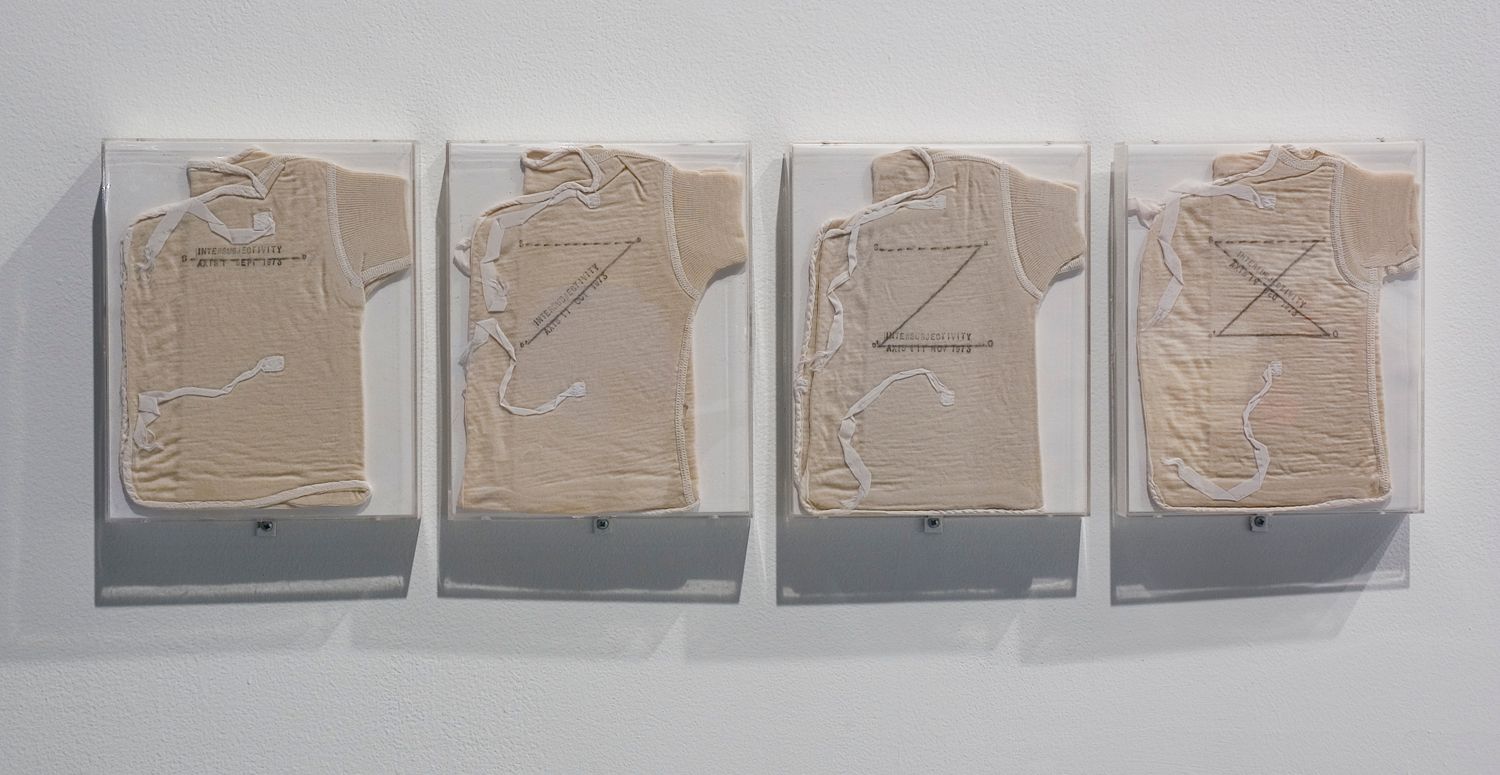
Installation view of WACK! Art and the Feminist Revolution, March 4 – July 16, 2007 at The Geffen Contemporary at MOCA, courtesy of The Museum of Contemporary Art, Los Angeles, photo by Brian Forrest
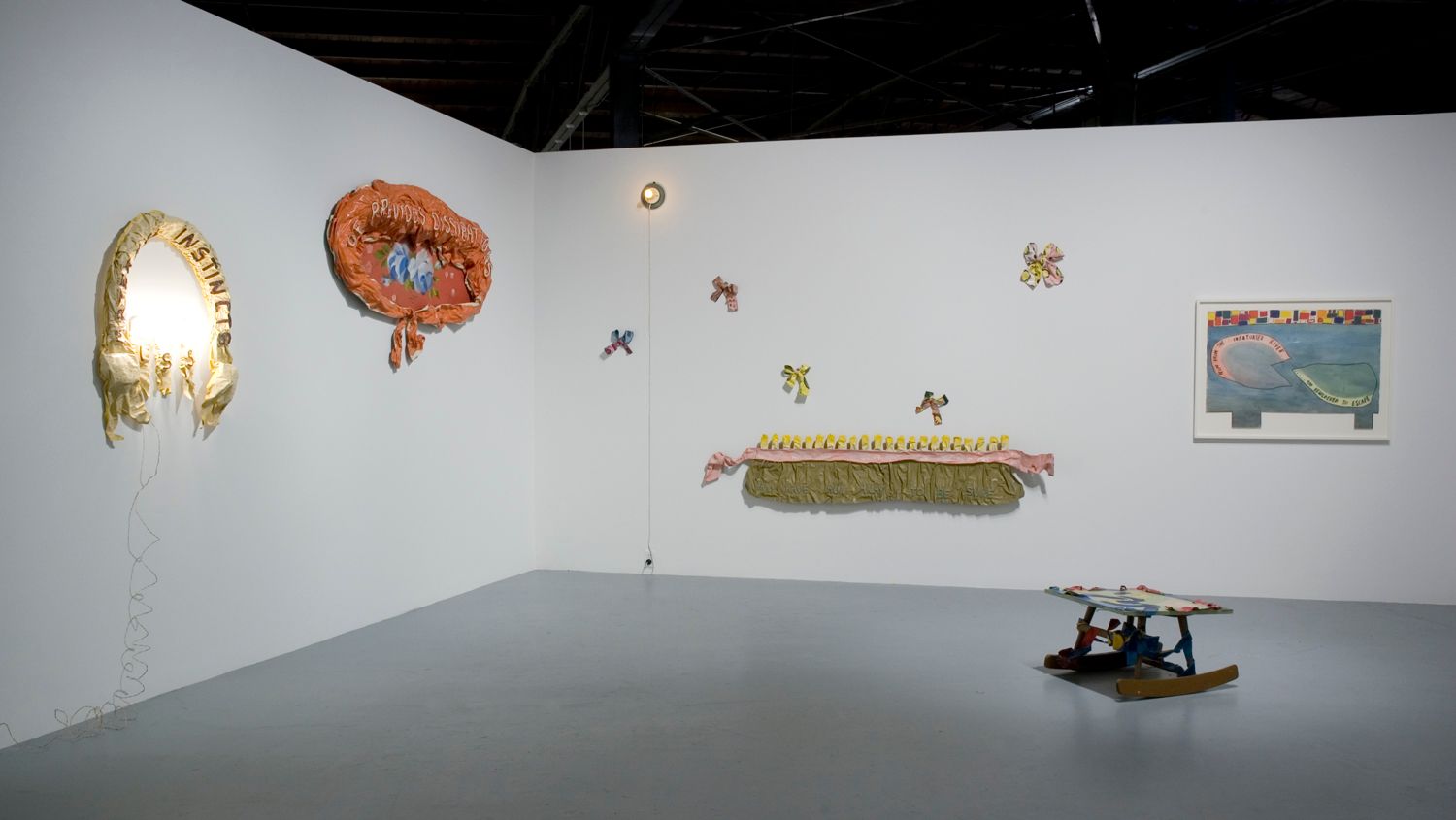
Installation view of WACK! Art and the Feminist Revolution, March 4 – July 16, 2007 at The Geffen Contemporary at MOCA, courtesy of The Museum of Contemporary Art, Los Angeles, photo by Brian Forrest
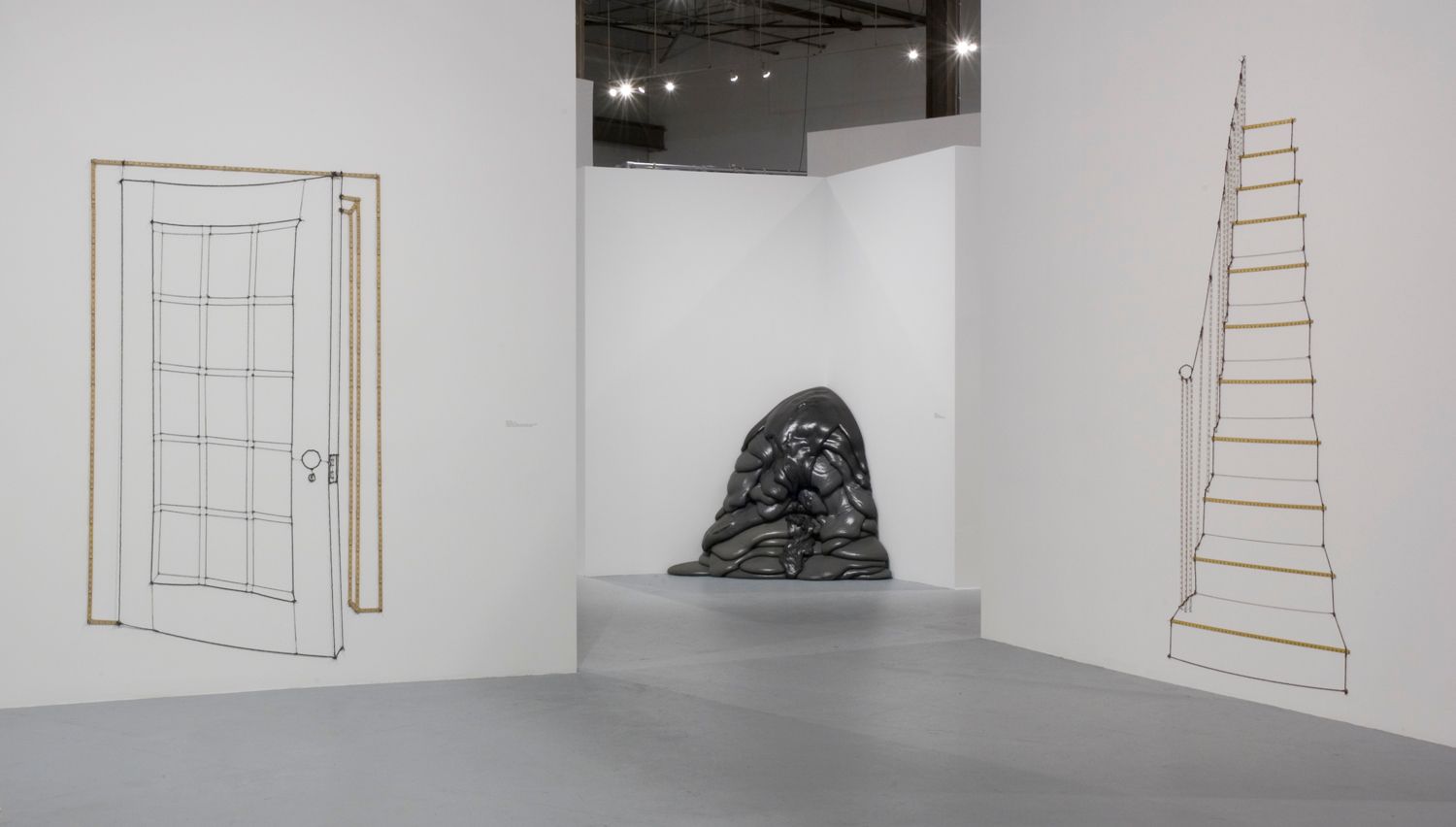
Installation view of WACK! Art and the Feminist Revolution, March 4 – July 16, 2007 at The Geffen Contemporary at MOCA, courtesy of The Museum of Contemporary Art, Los Angeles, photo by Brian Forrest
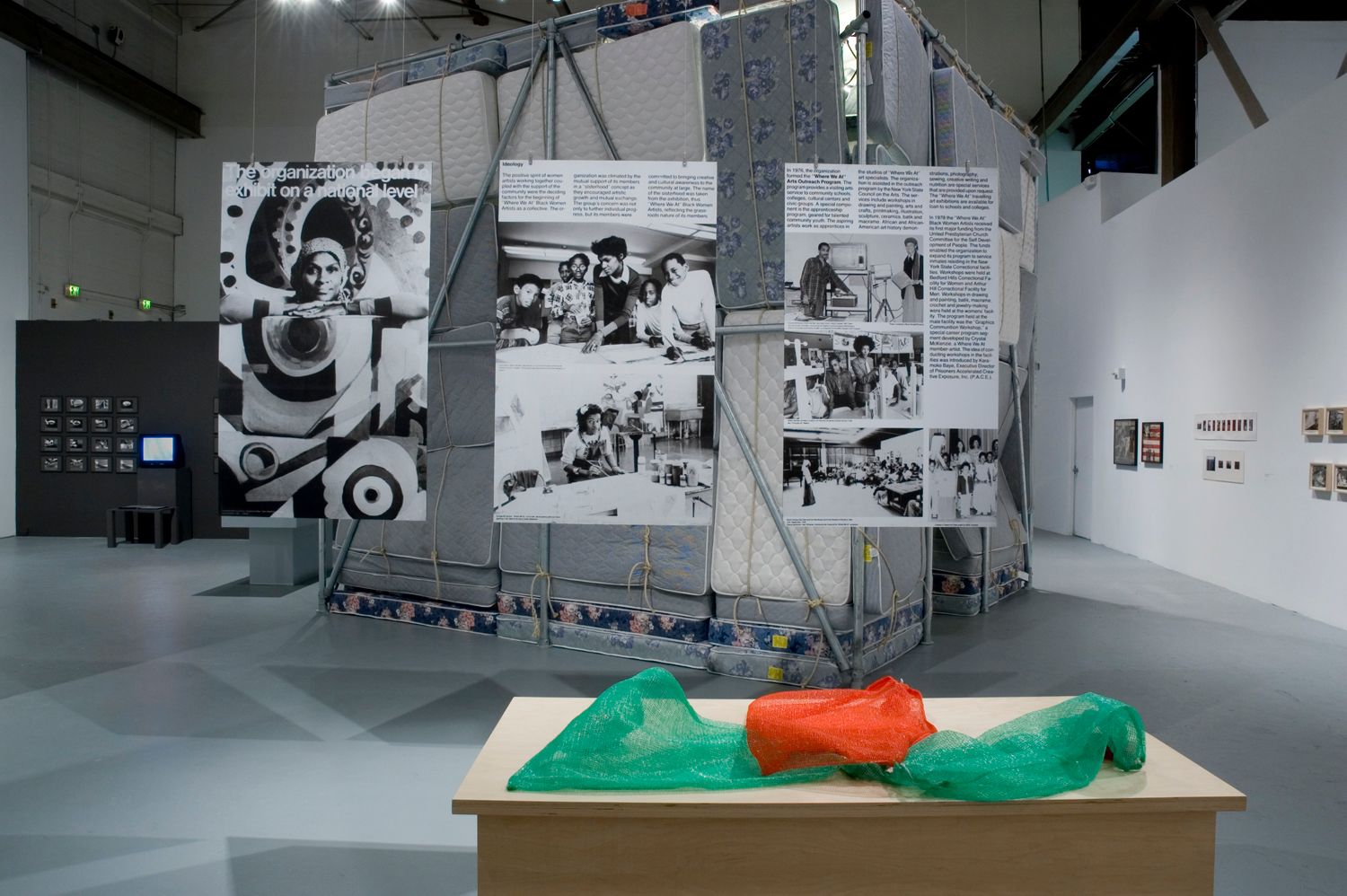
Installation view of WACK! Art and the Feminist Revolution, March 4 – July 16, 2007 at The Geffen Contemporary at MOCA, courtesy of The Museum of Contemporary Art, Los Angeles, photo by Brian Forrest
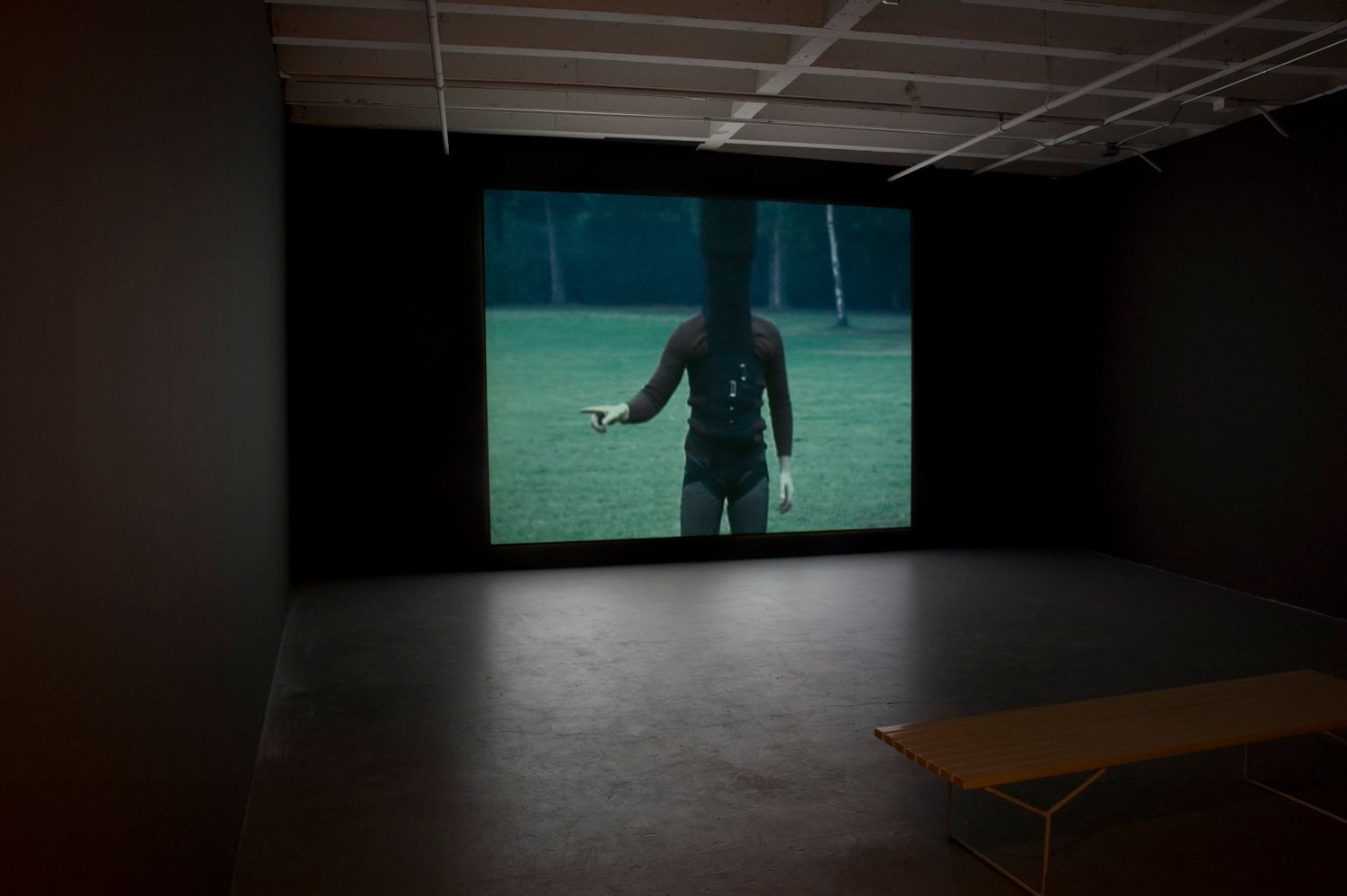
Installation view of WACK! Art and the Feminist Revolution, March 4 – July 16, 2007 at The Geffen Contemporary at MOCA, courtesy of The Museum of Contemporary Art, Los Angeles, photo by Brian Forrest
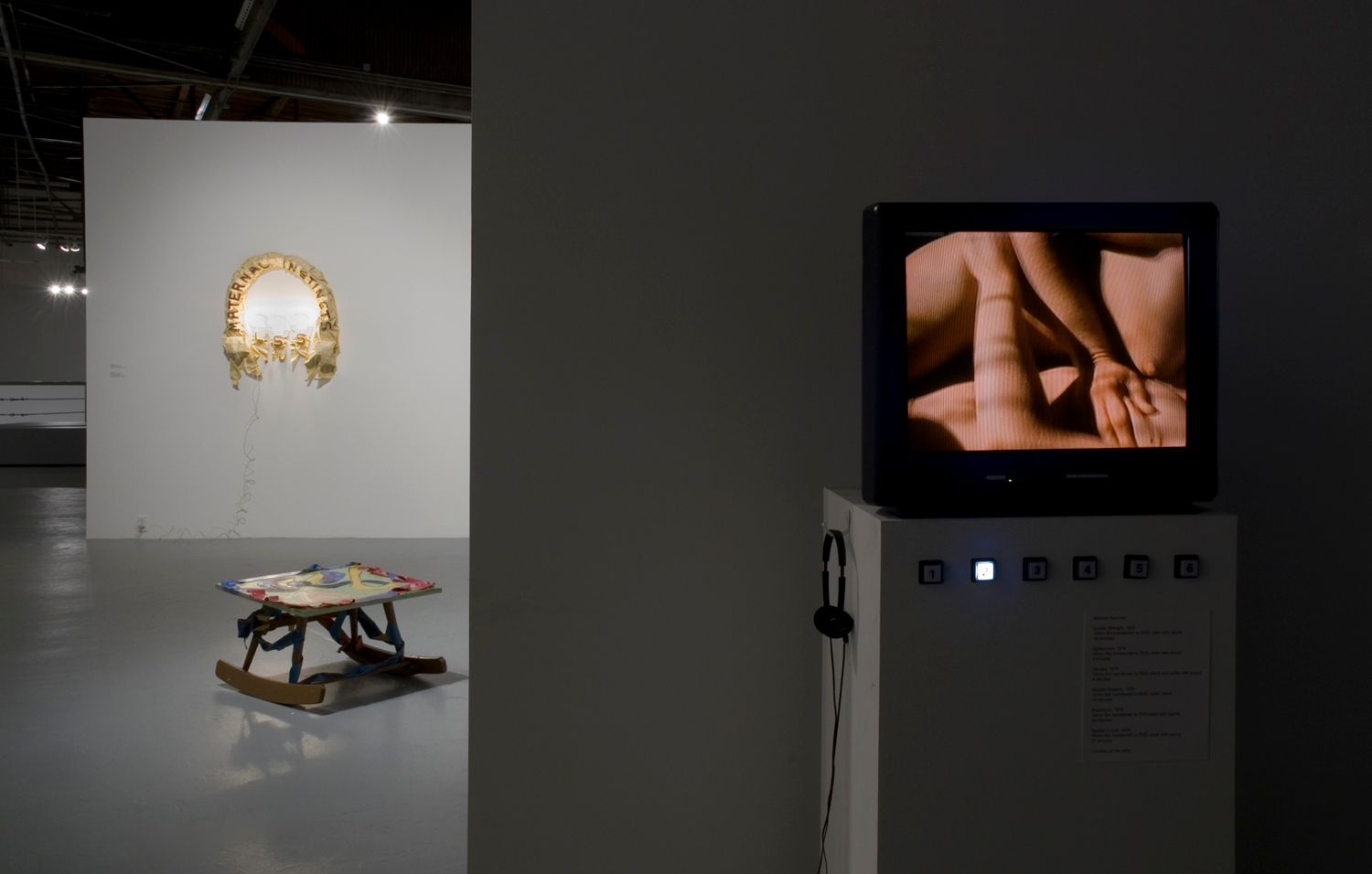
Installation view of WACK! Art and the Feminist Revolution, March 4 – July 16, 2007 at The Geffen Contemporary at MOCA, courtesy of The Museum of Contemporary Art, Los Angeles, photo by Brian Forrest
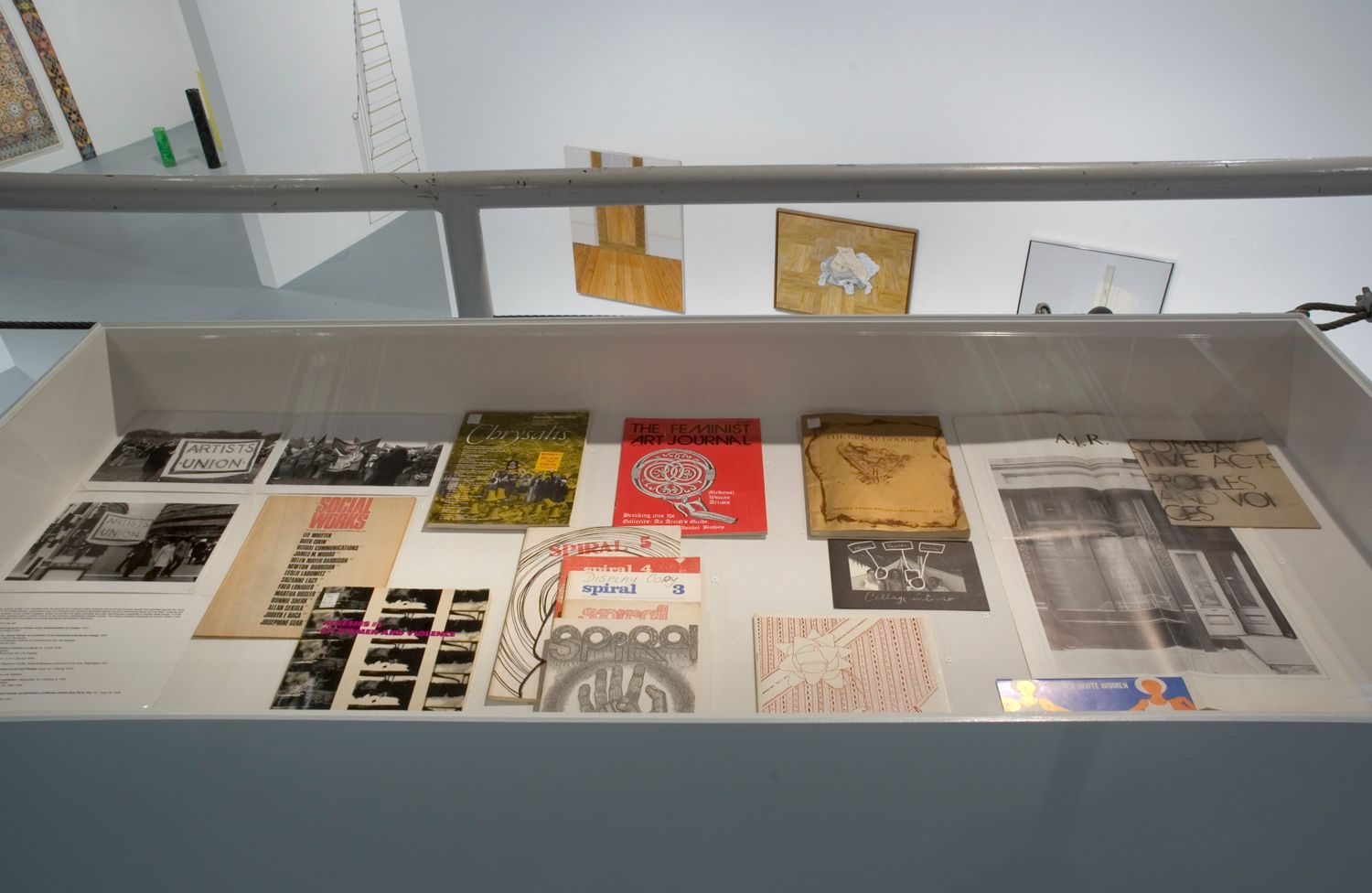
Installation view of WACK! Art and the Feminist Revolution, March 4 – July 16, 2007 at The Geffen Contemporary at MOCA, courtesy of The Museum of Contemporary Art, Los Angeles, photo by Brian Forrest
WACK! Art and the Feminist Revolution is the first institutional exhibition to examine comprehensively the international foundations and legacy of art made under the influence of feminism. This groundbreaking and long-awaited historical survey focuses on the crucial period of 1965 to 1980, when the majority of feminist activism and art making took place around the world.
Featuring works in a broad range of media—including painting, sculpture, photography, film, video, and performance—by approximately one hundred and twenty artists from twenty-one countries, the exhibition explores intercontinental connections and themes based on media, geography, formal concerns, and collective aesthetic and political impulses. Following its presentation at MOCA, the exhibition traveled to the National Museum of Women in the Arts, Washington D.C. (September–December 2007); PS.1 Contemporary Art Center, Long Island City, New York (February–May 2008); and Vancouver Art Gallery, Vancouver B.C. (October 2008–January 2009).
The exhibition was accompanied by a catalogue co-published by MOCA and The MIT Press.
WACK! Art and the Feminist Revolution was organized by Connie Butler, Curator, The Museum of Contemporary Art, Los Angeles.