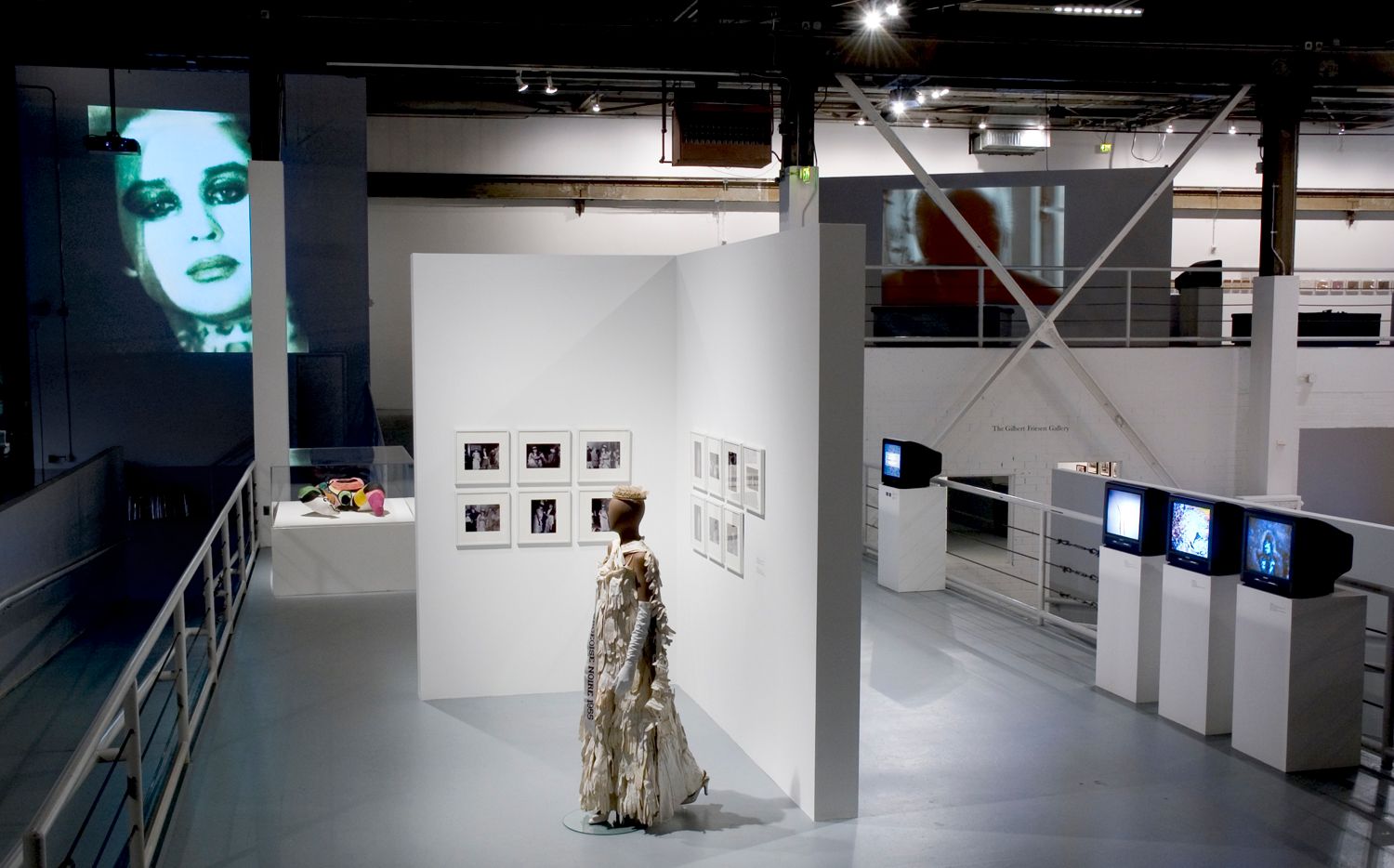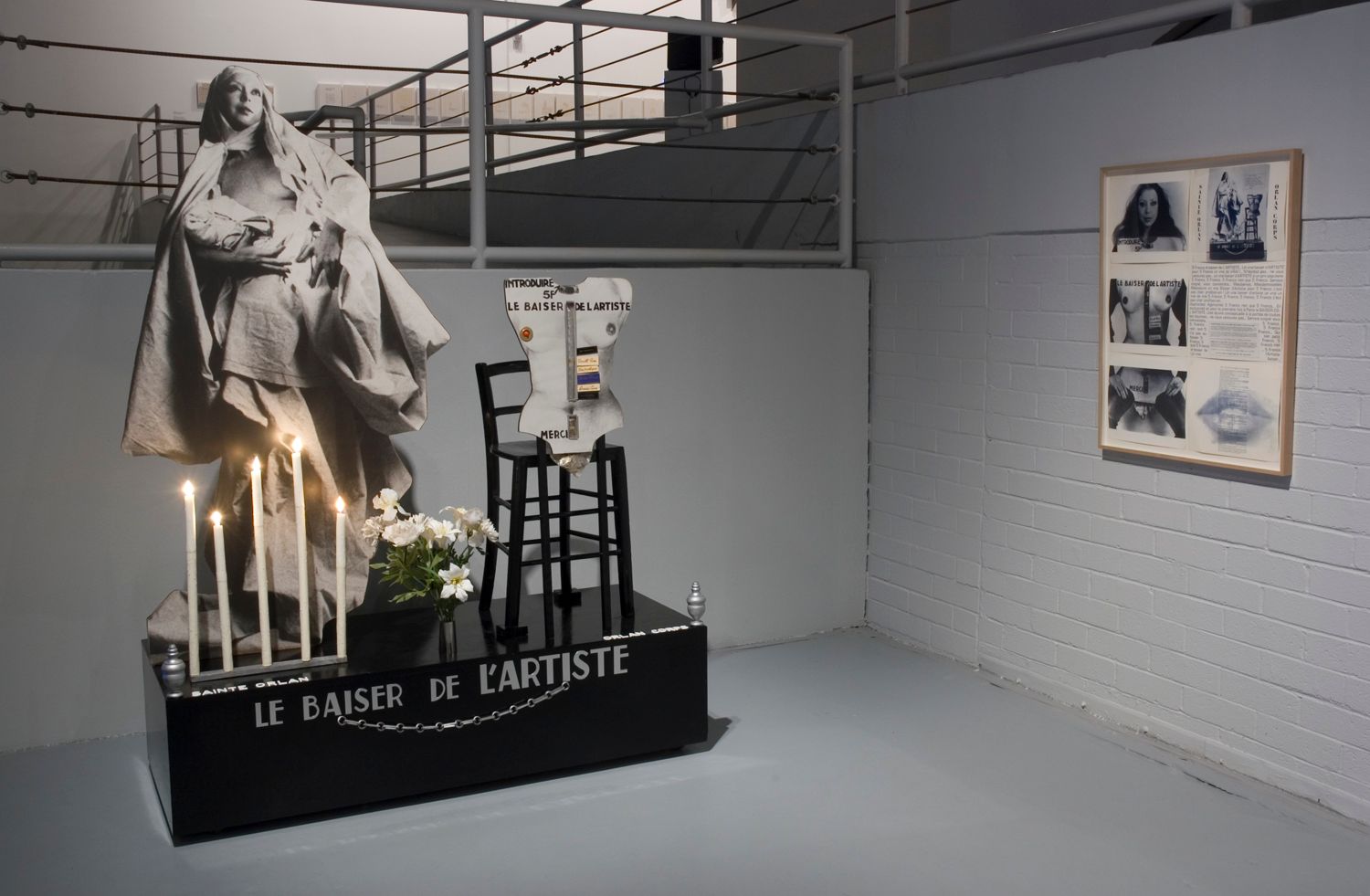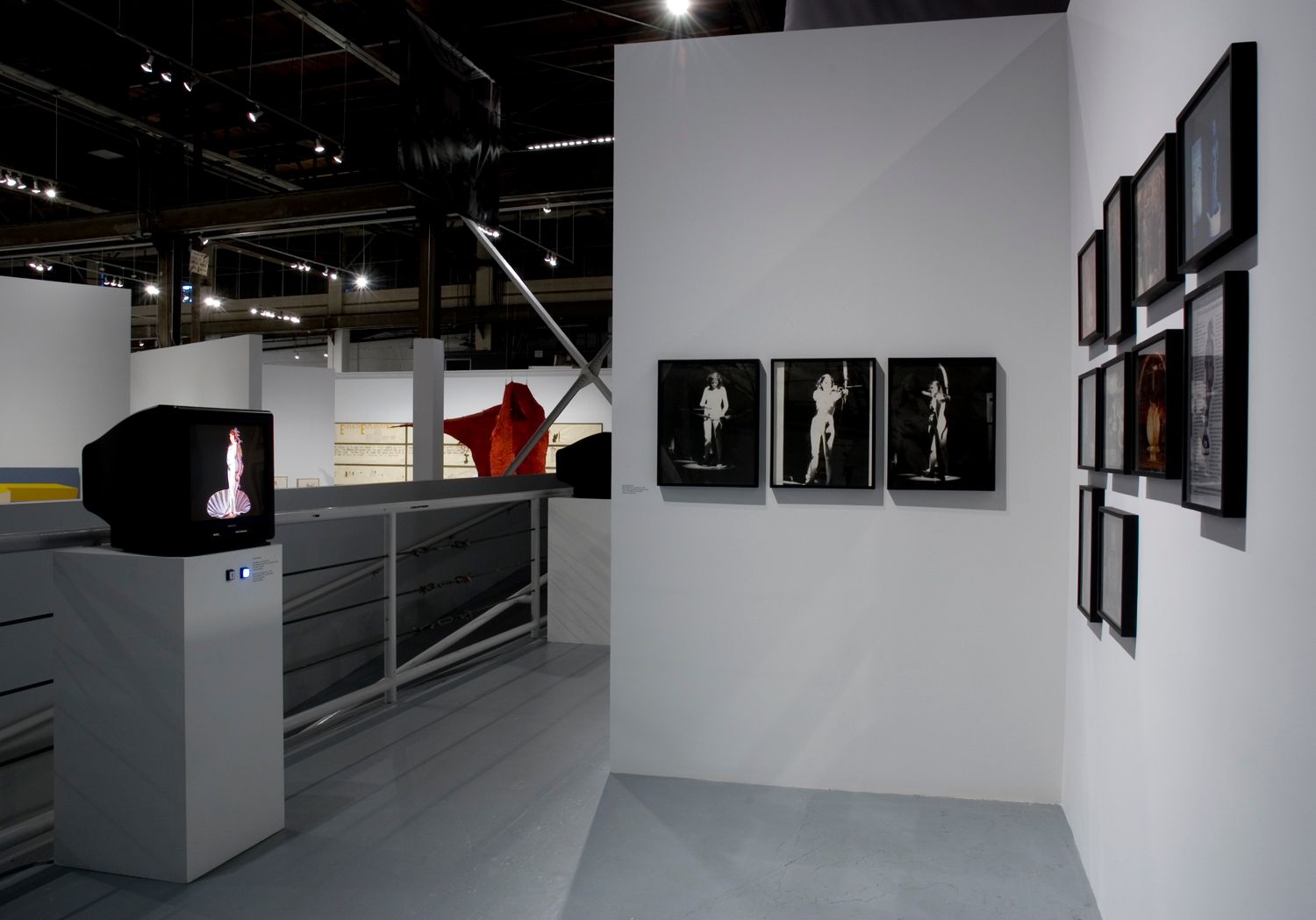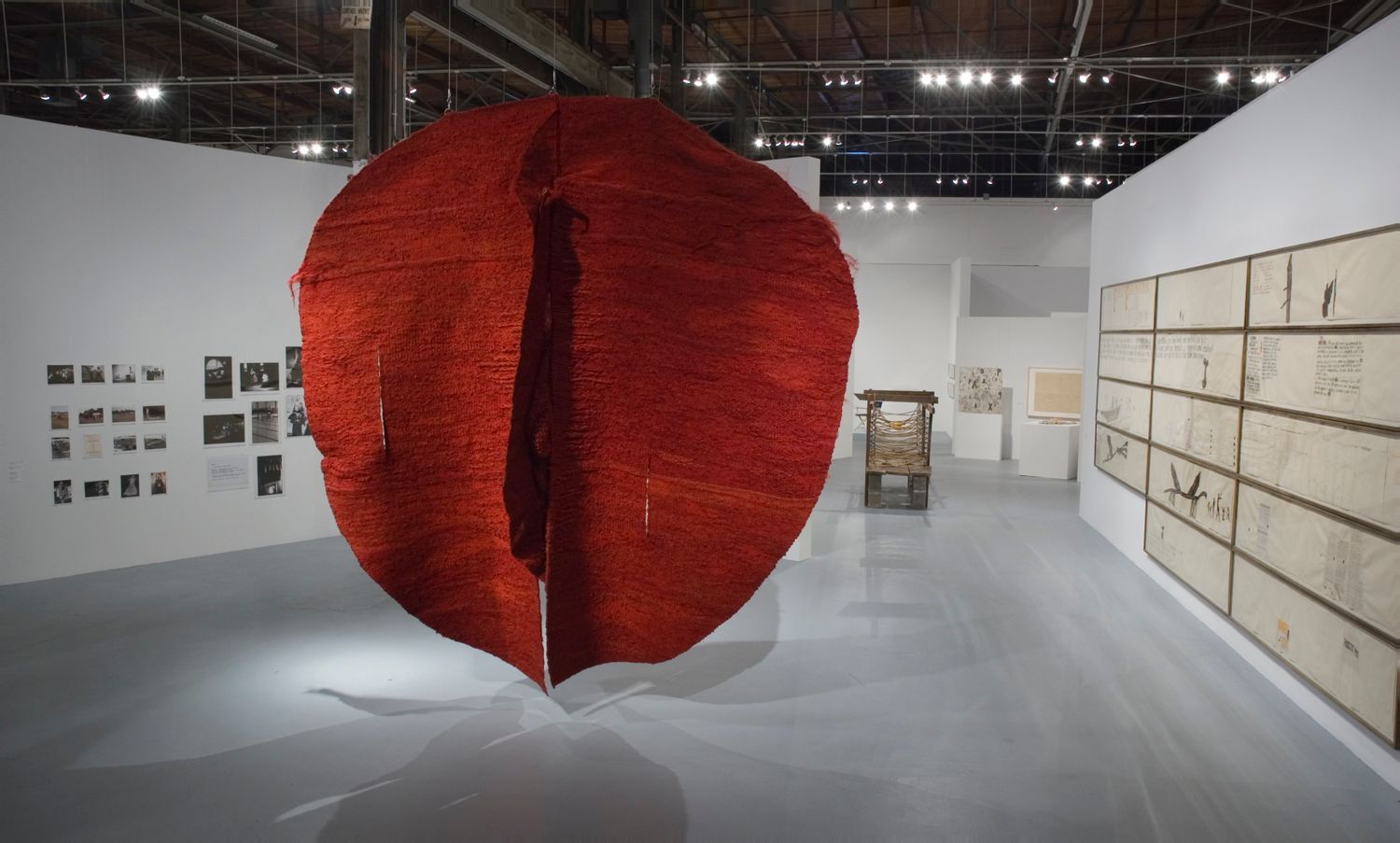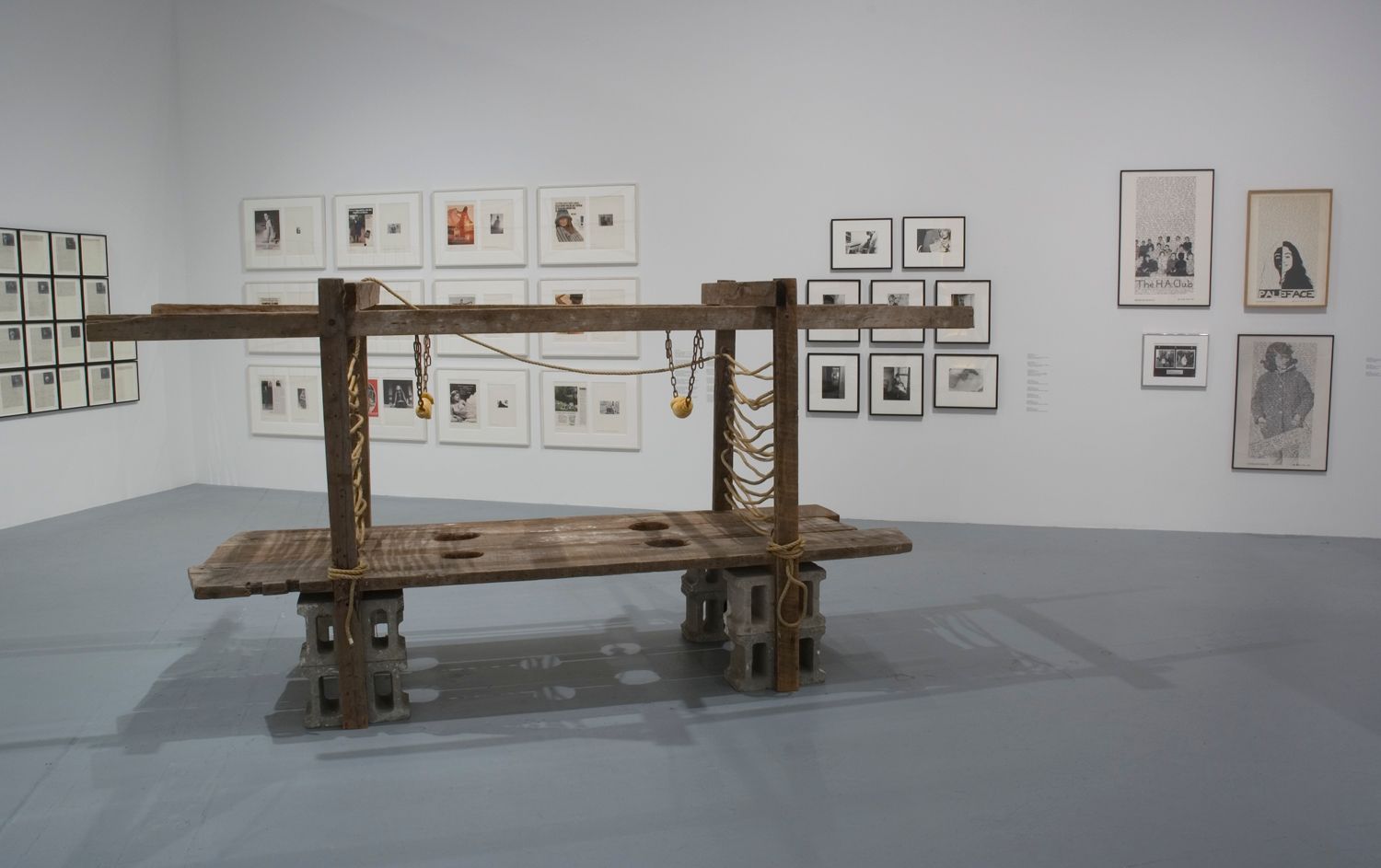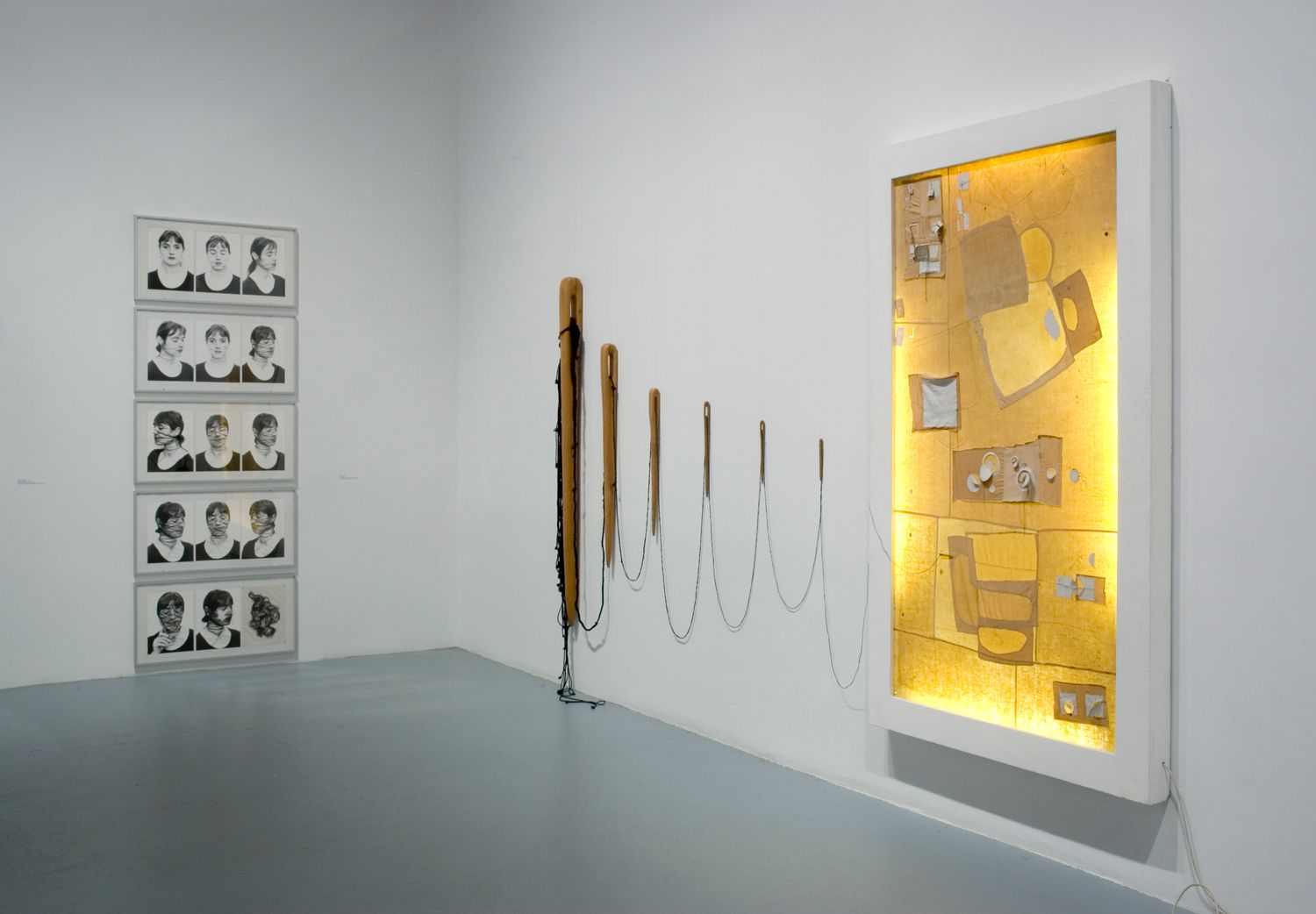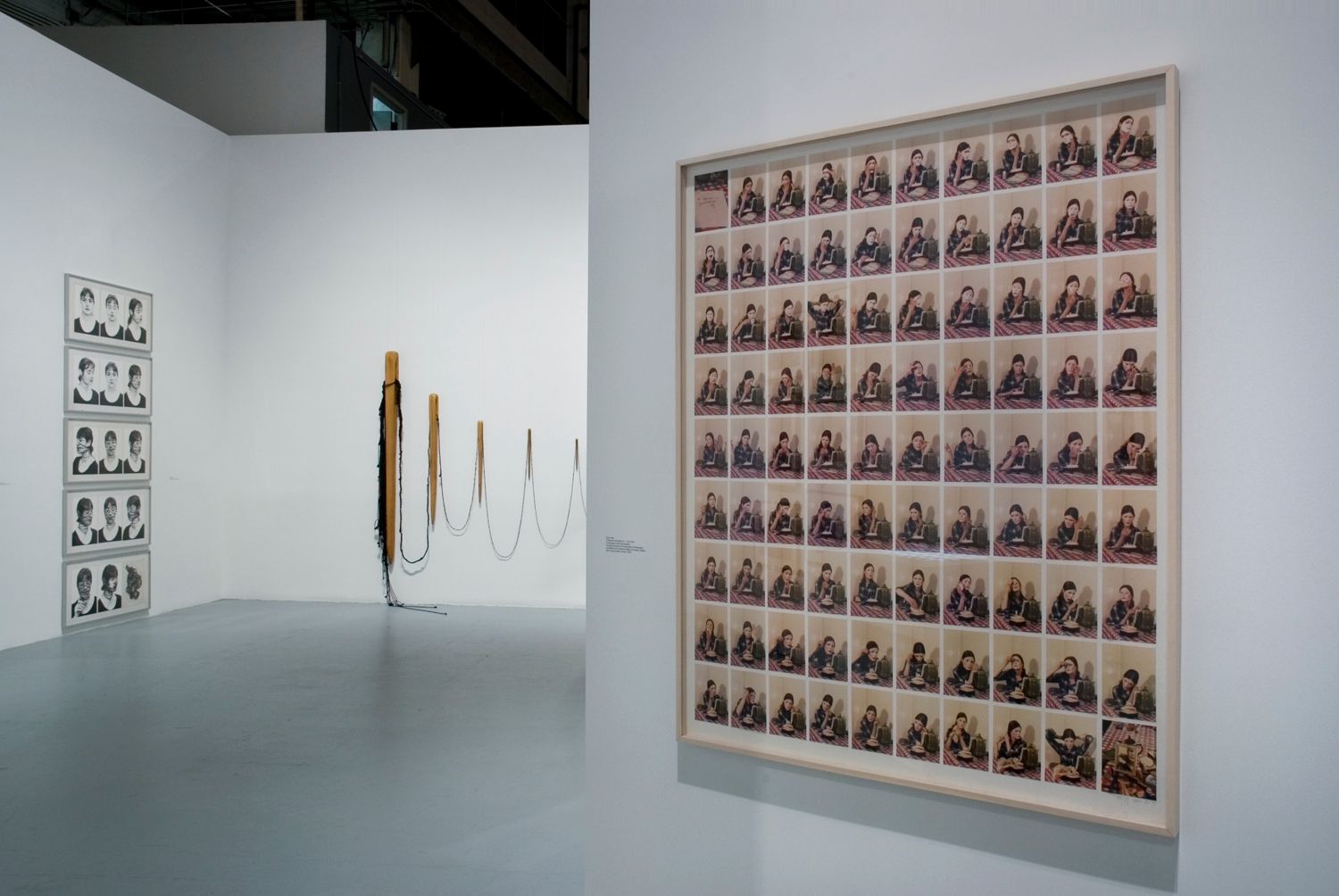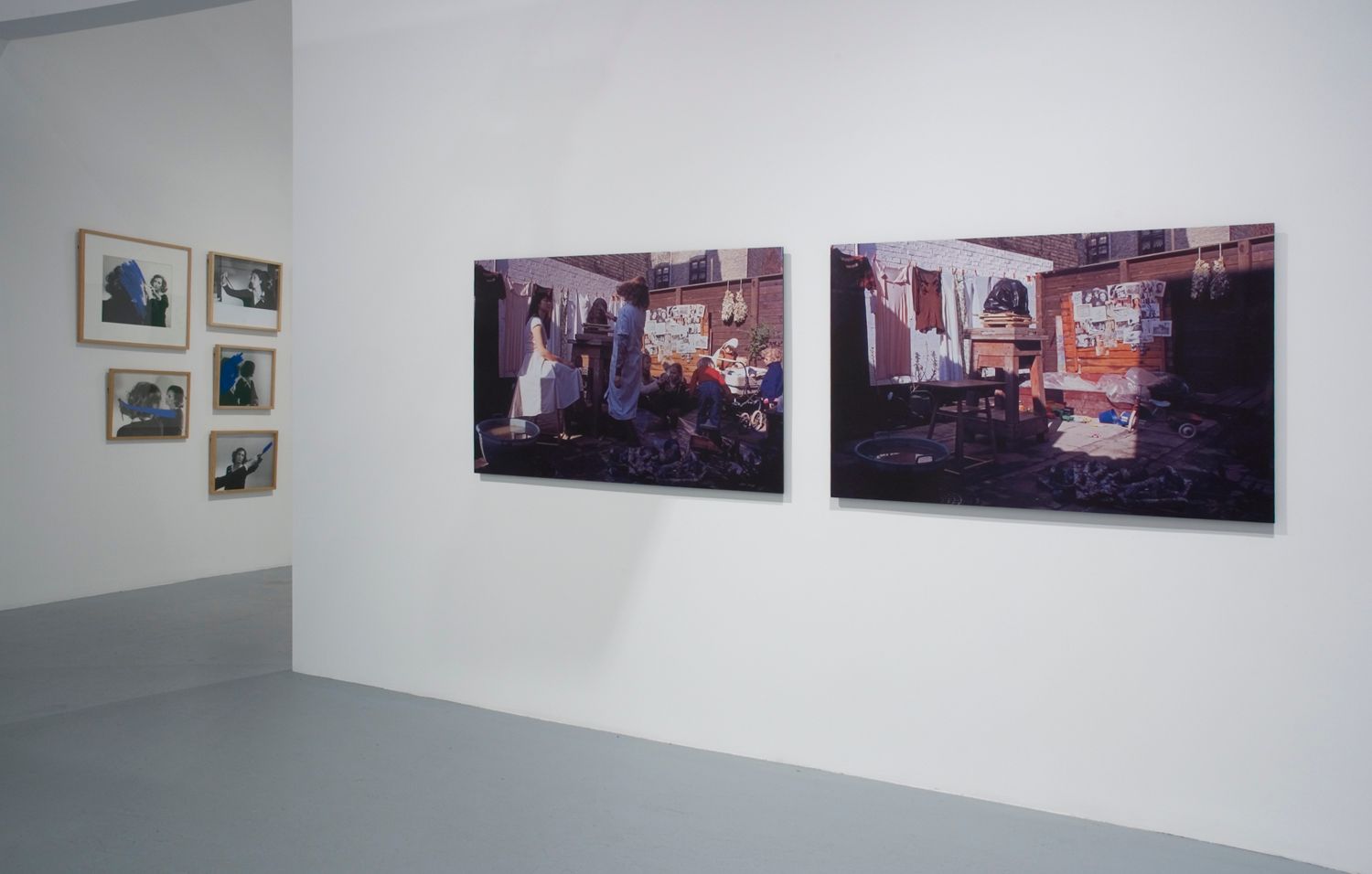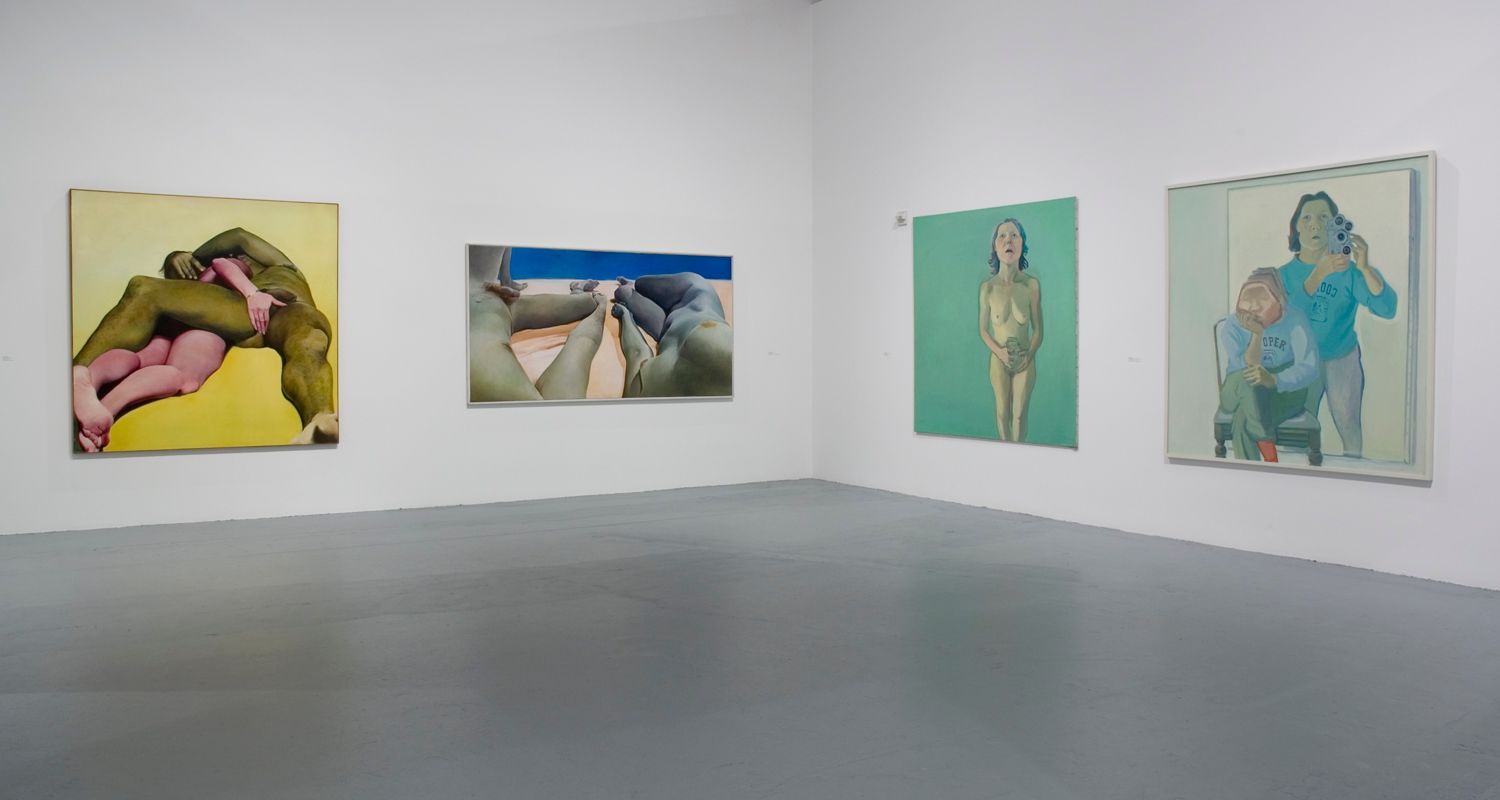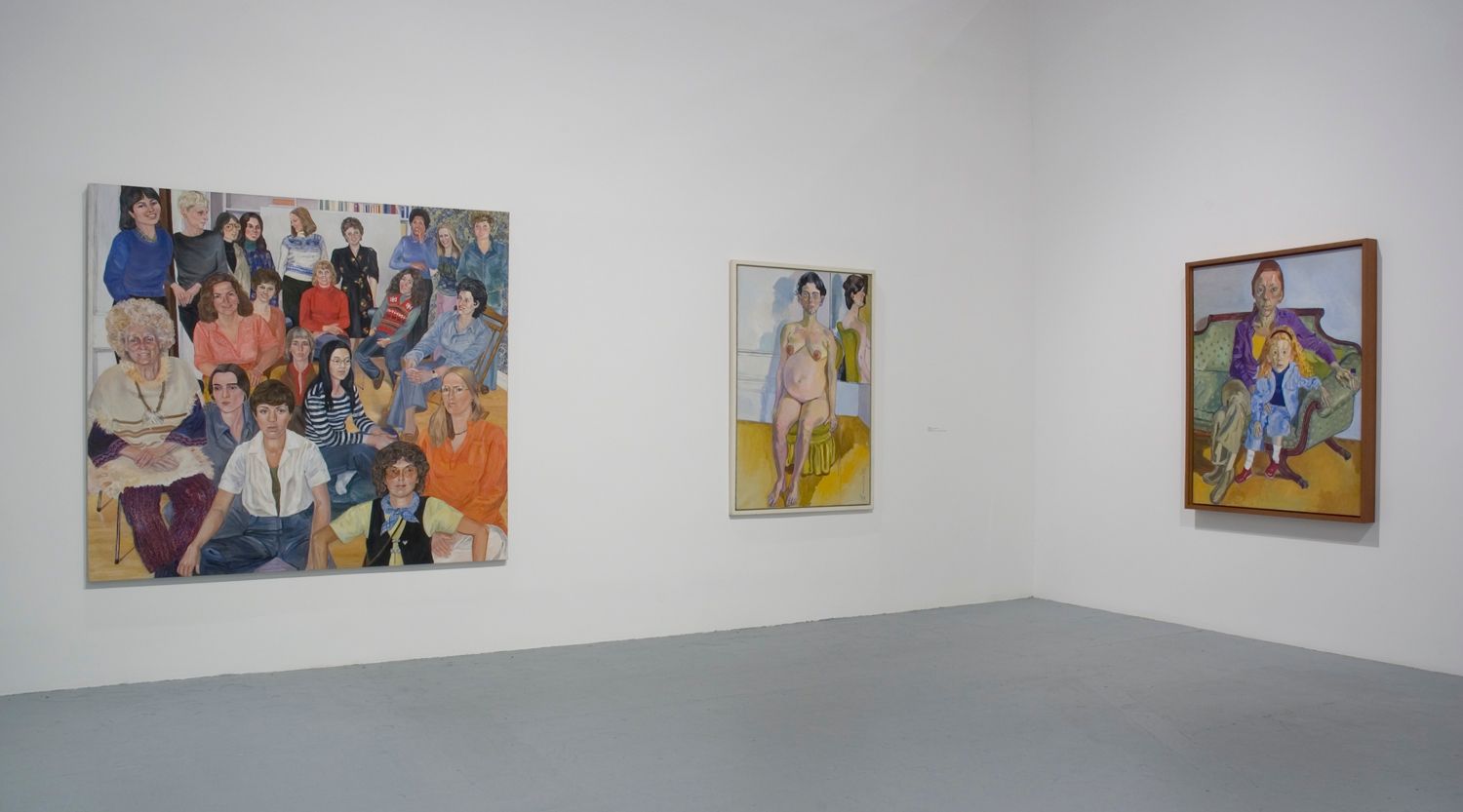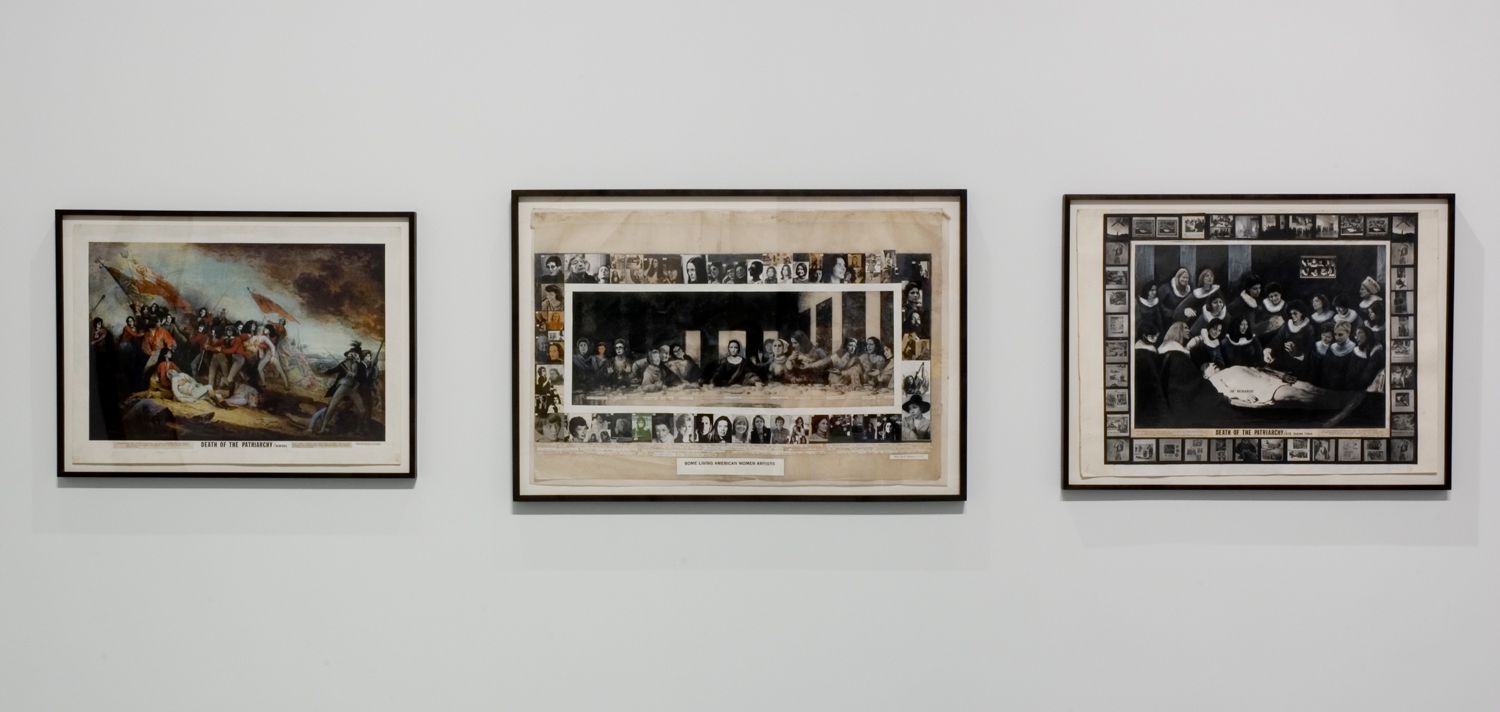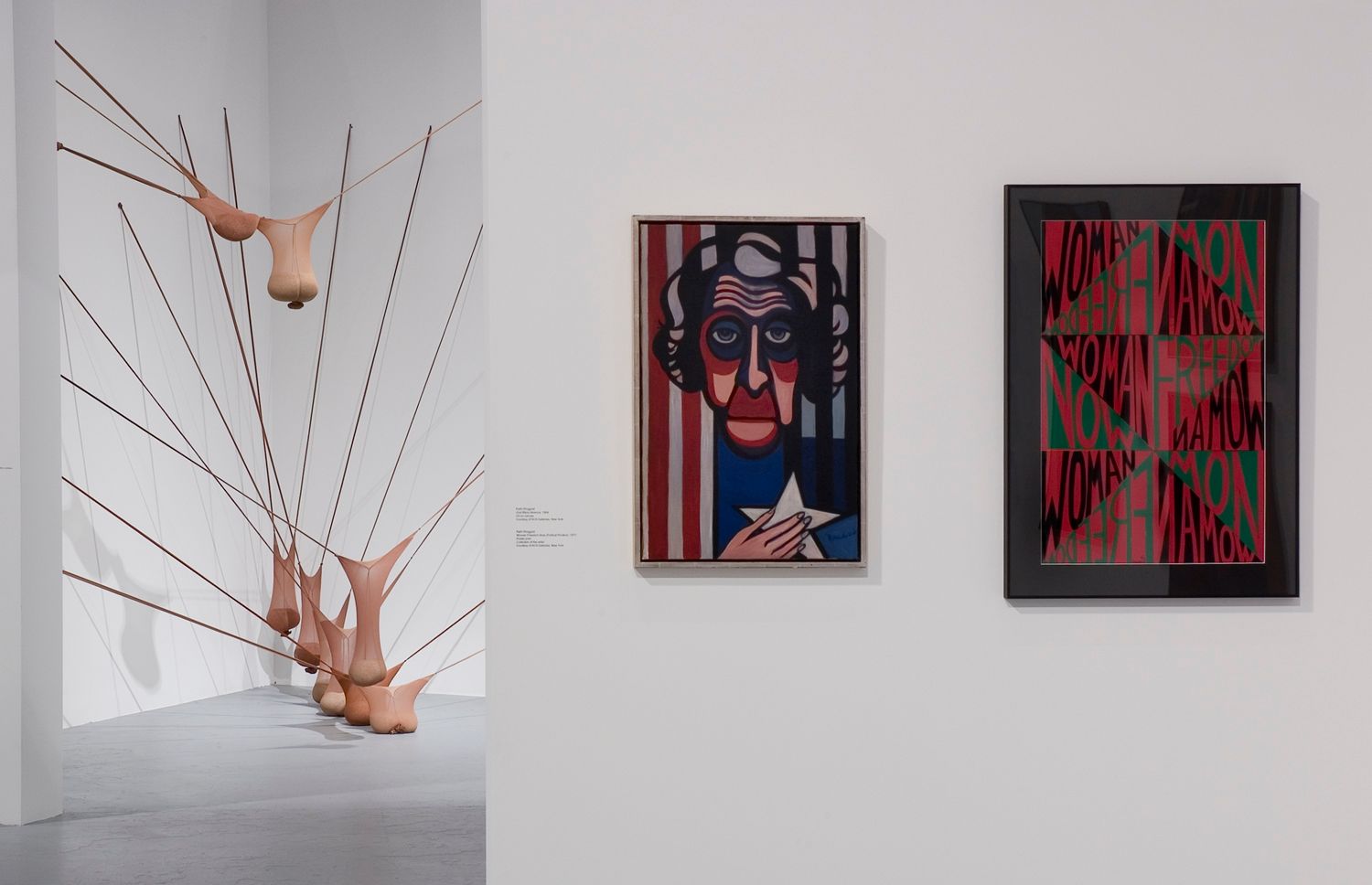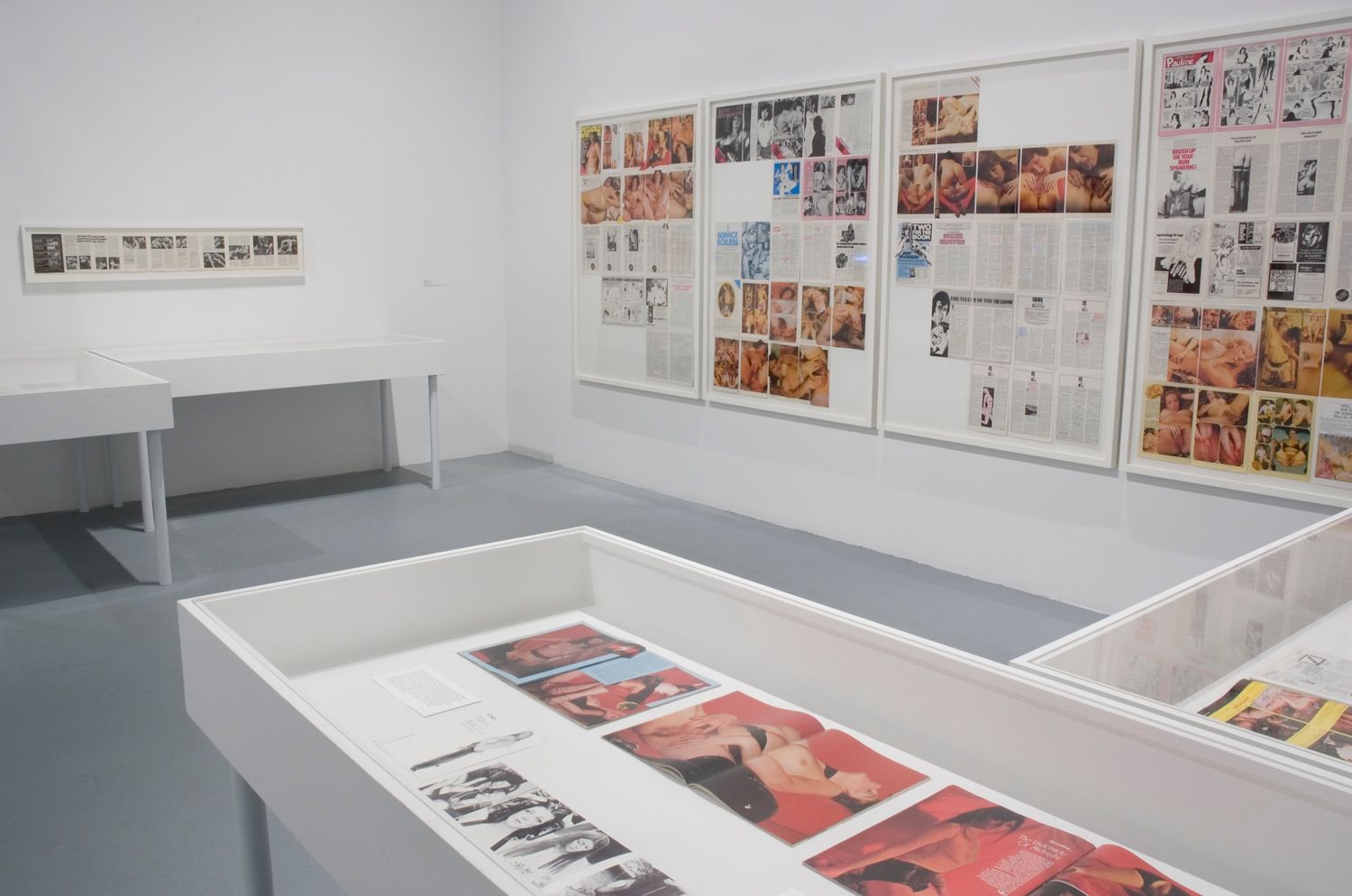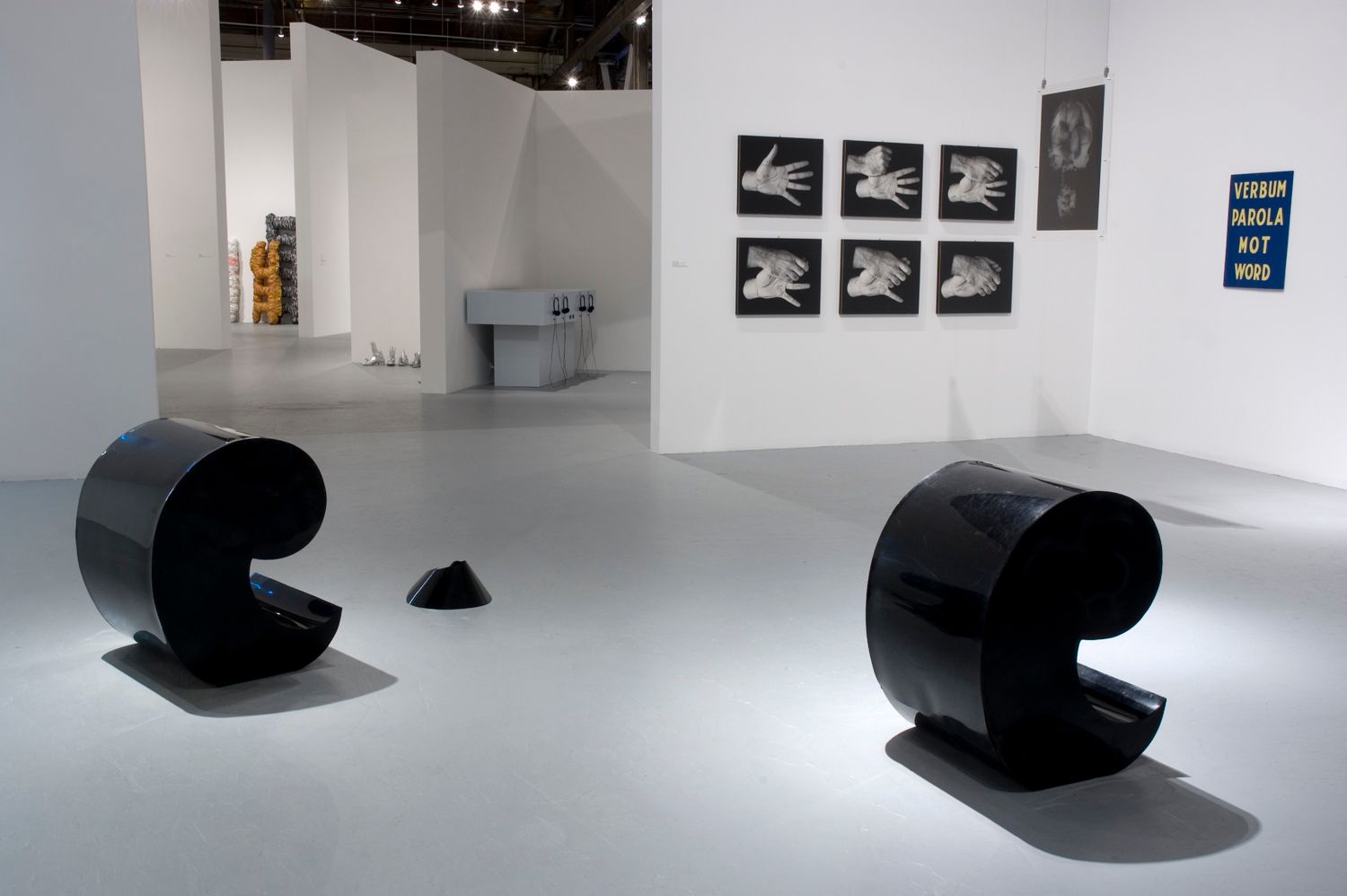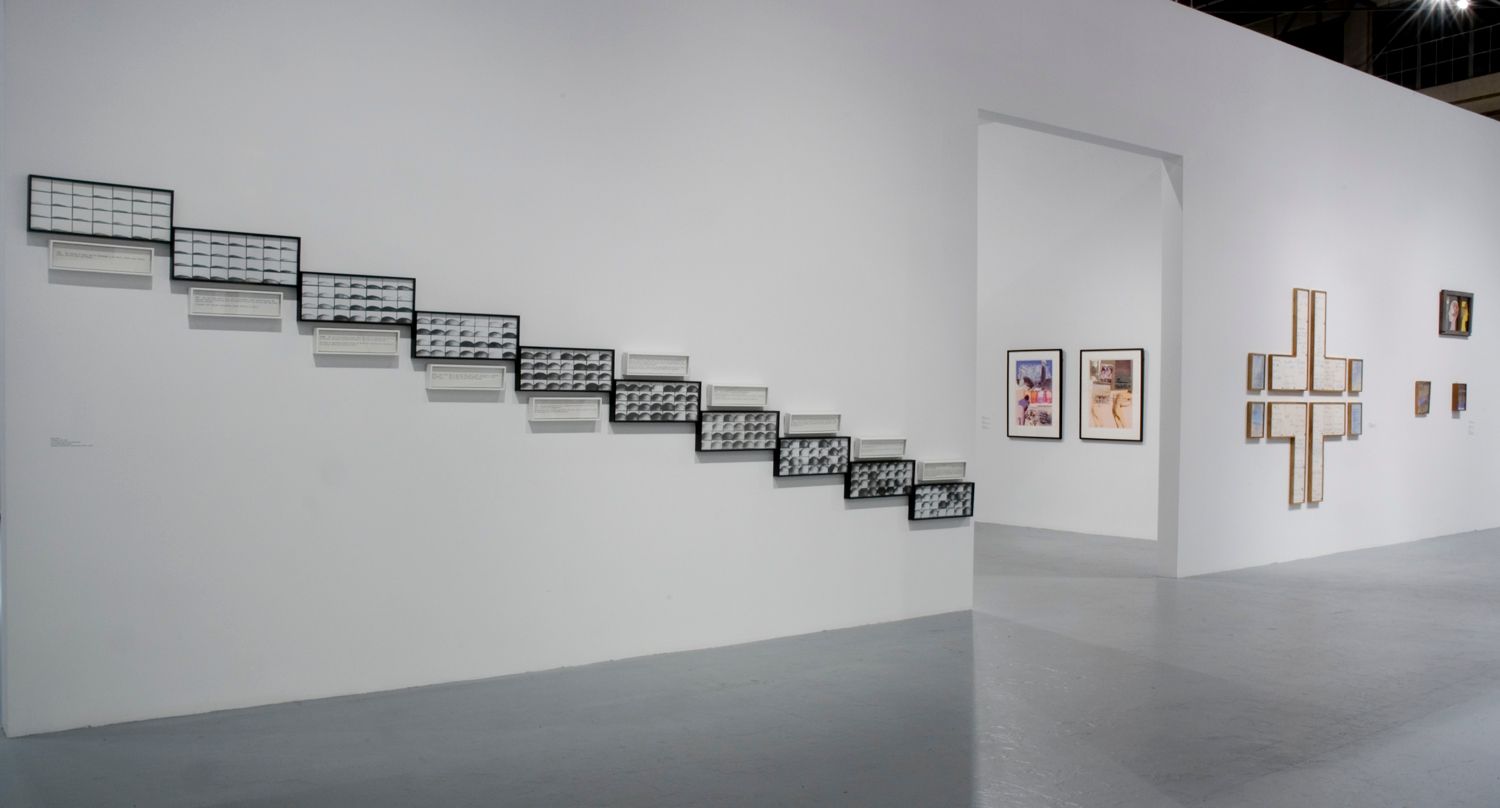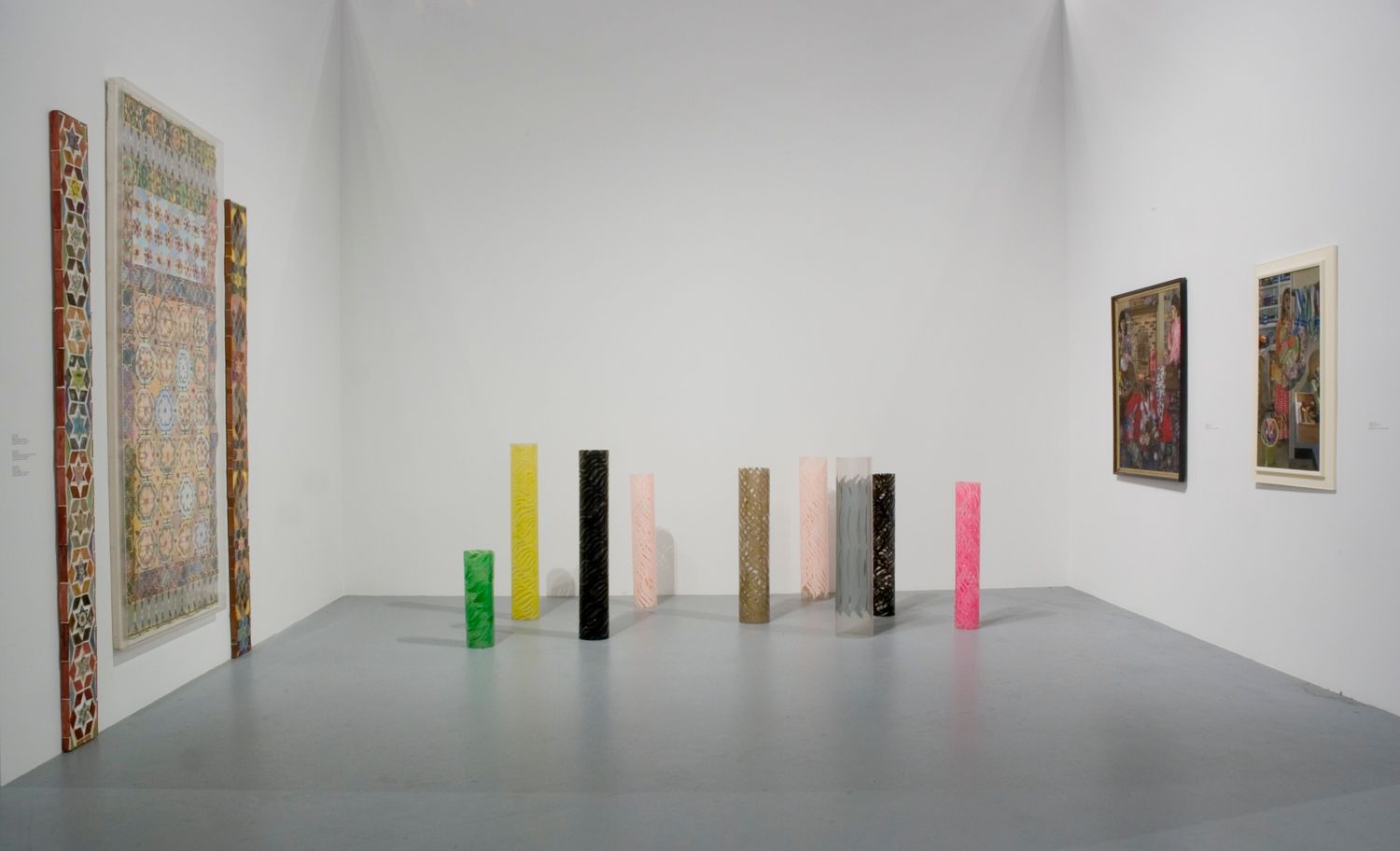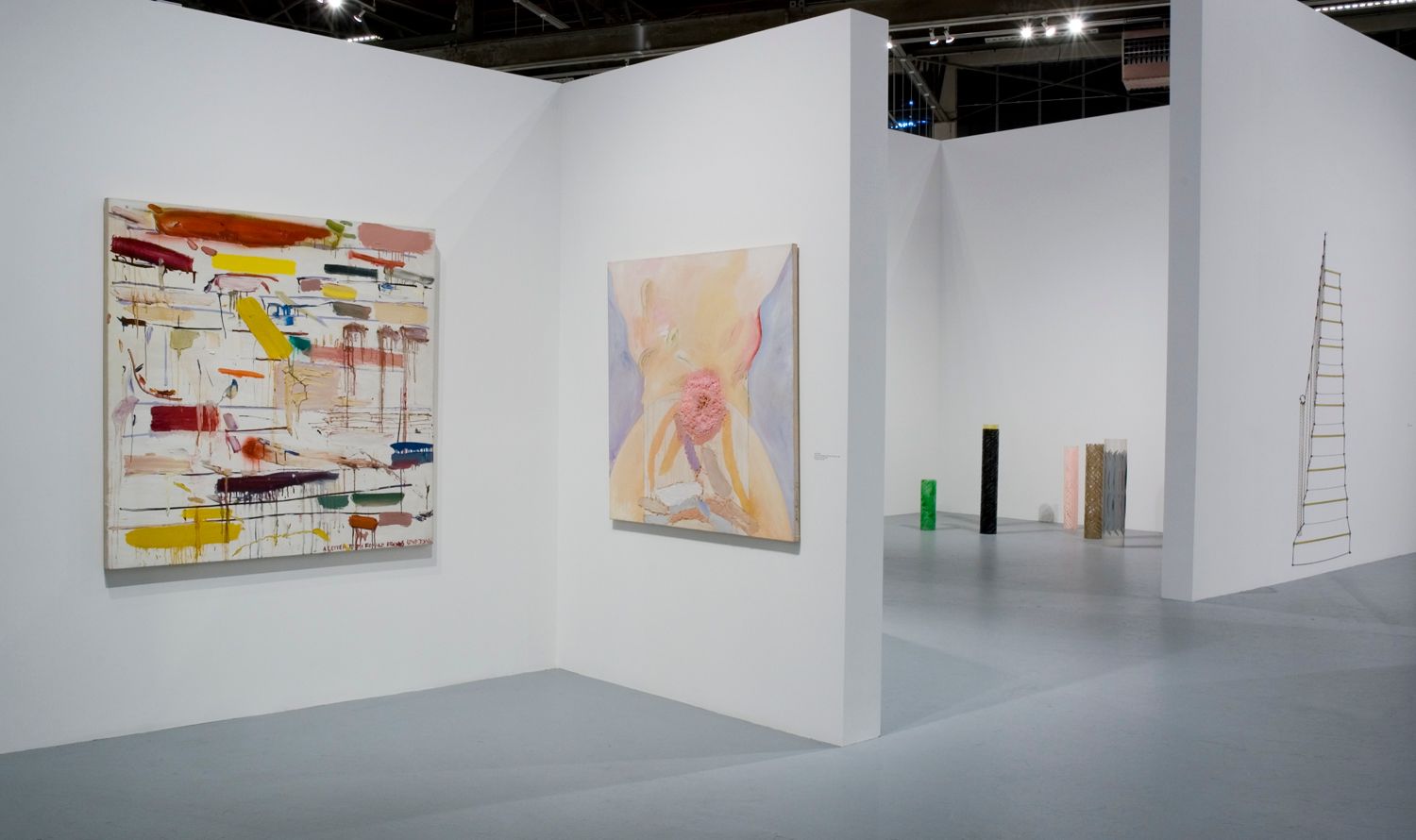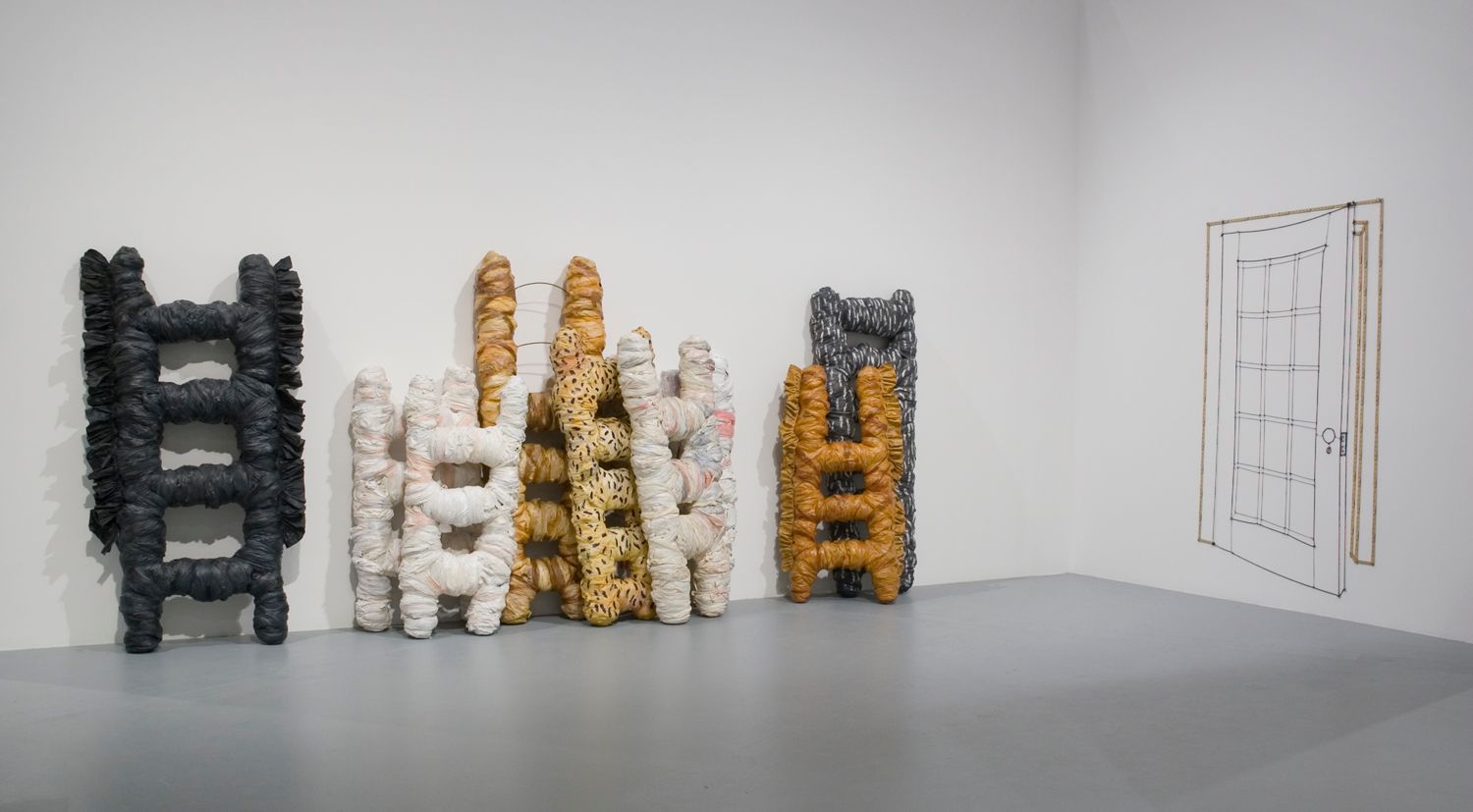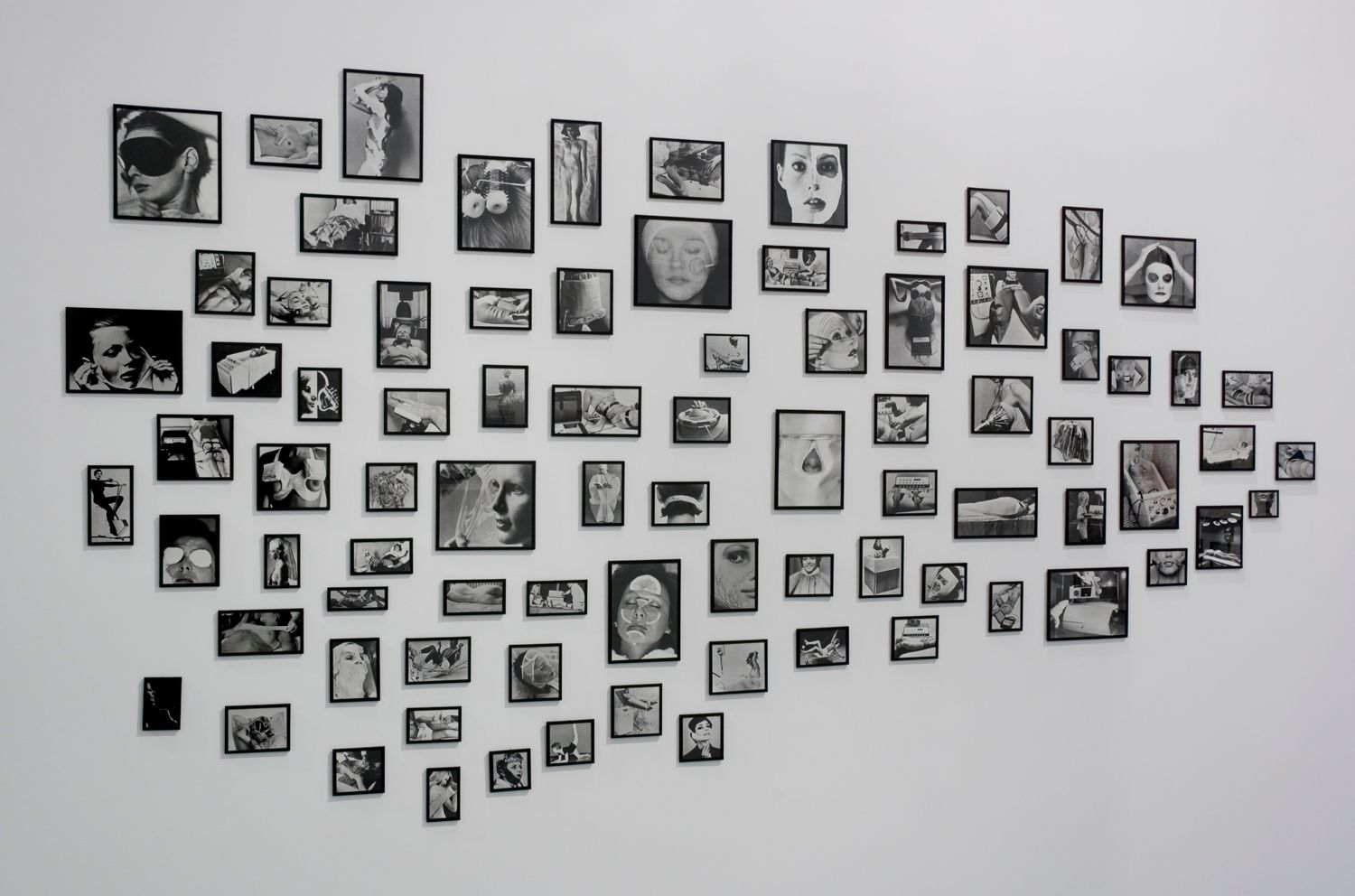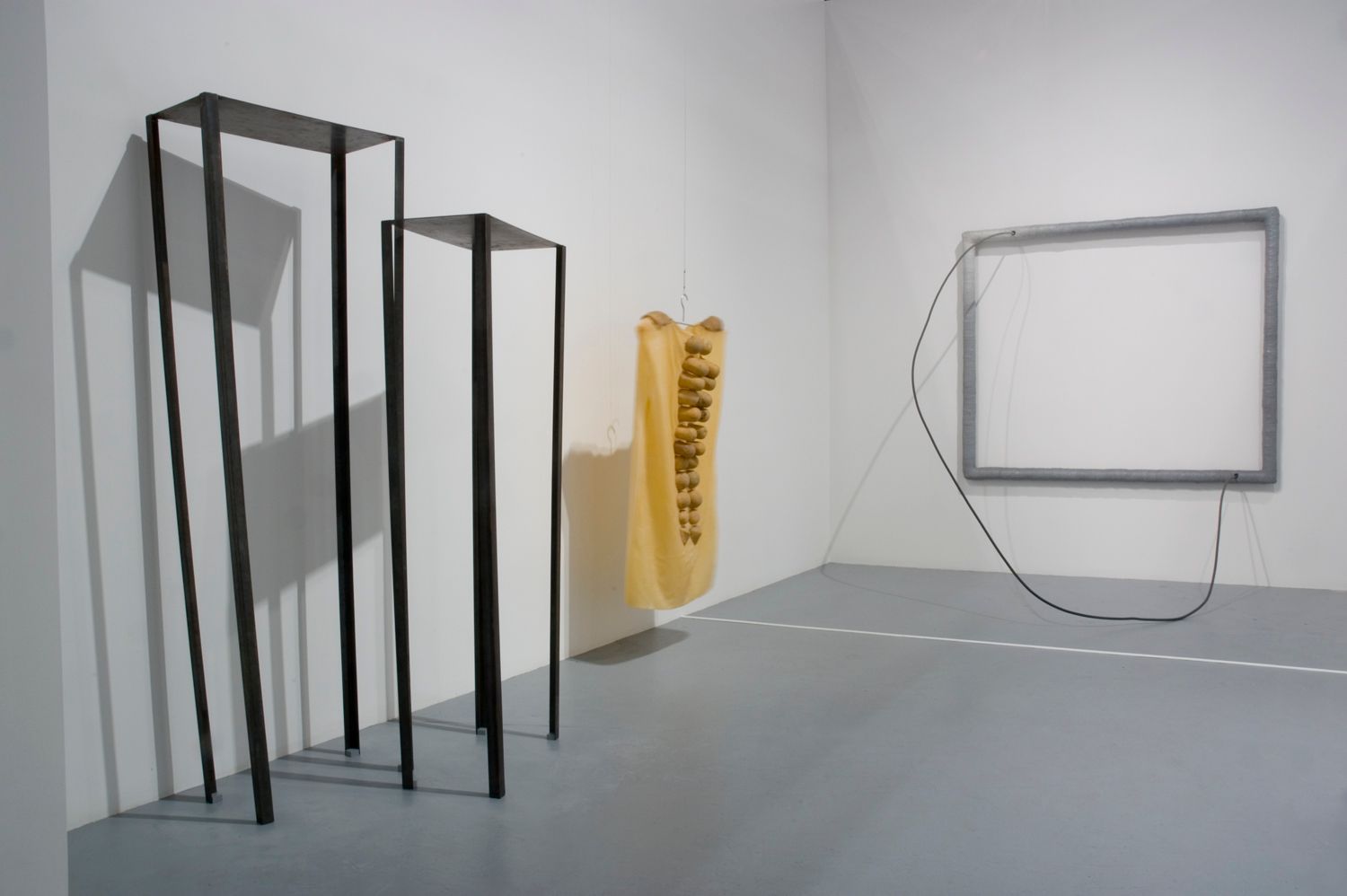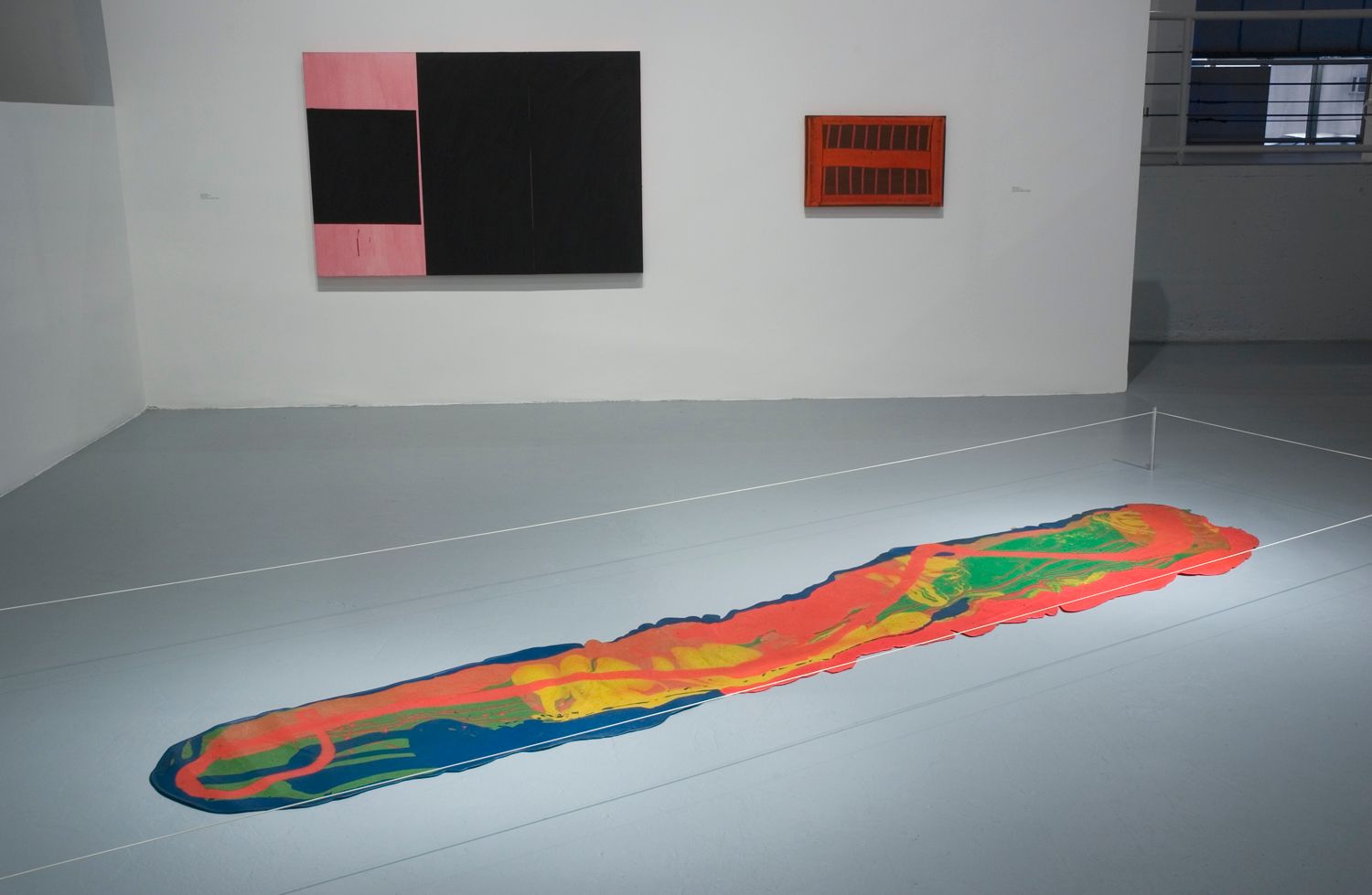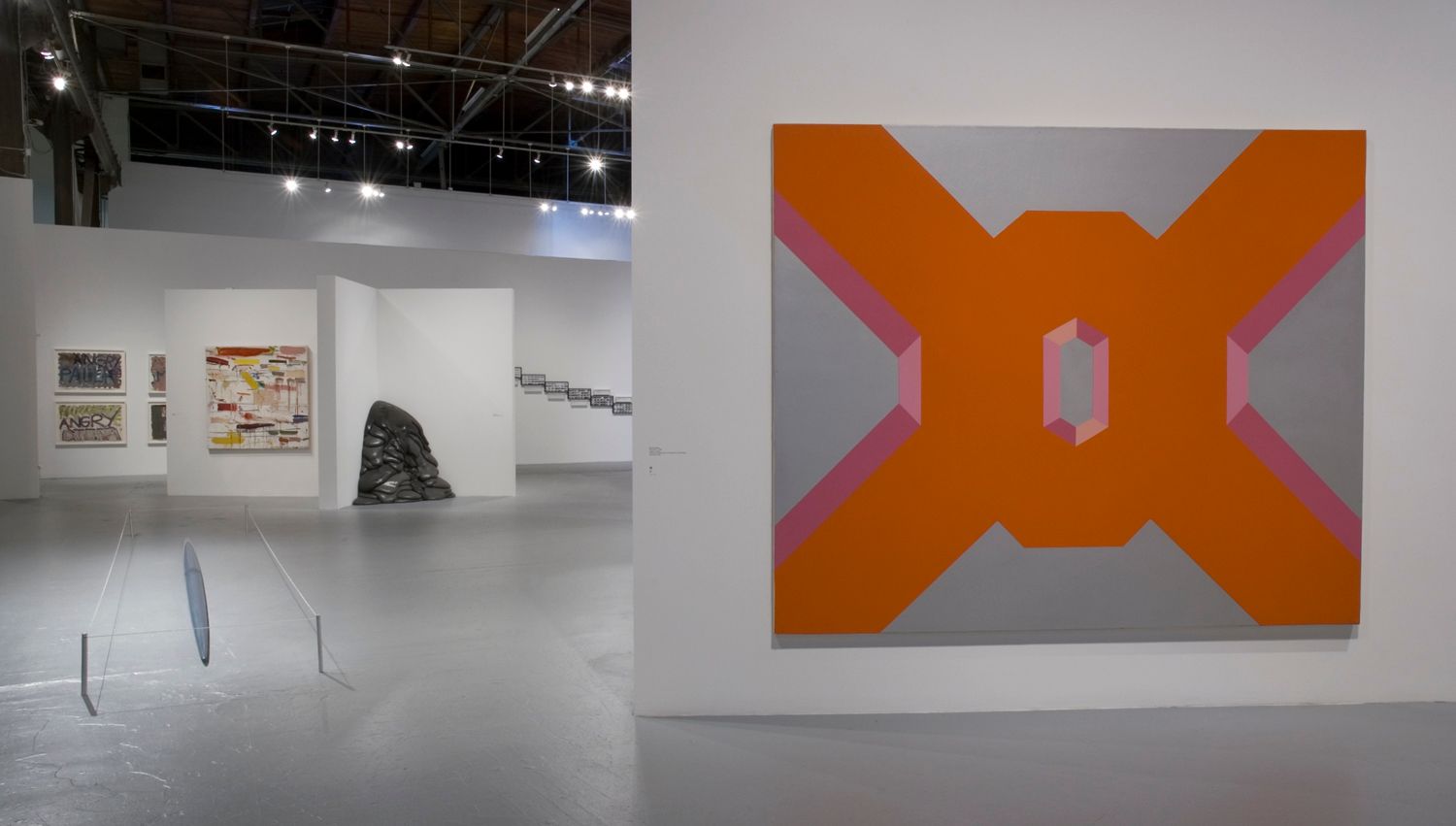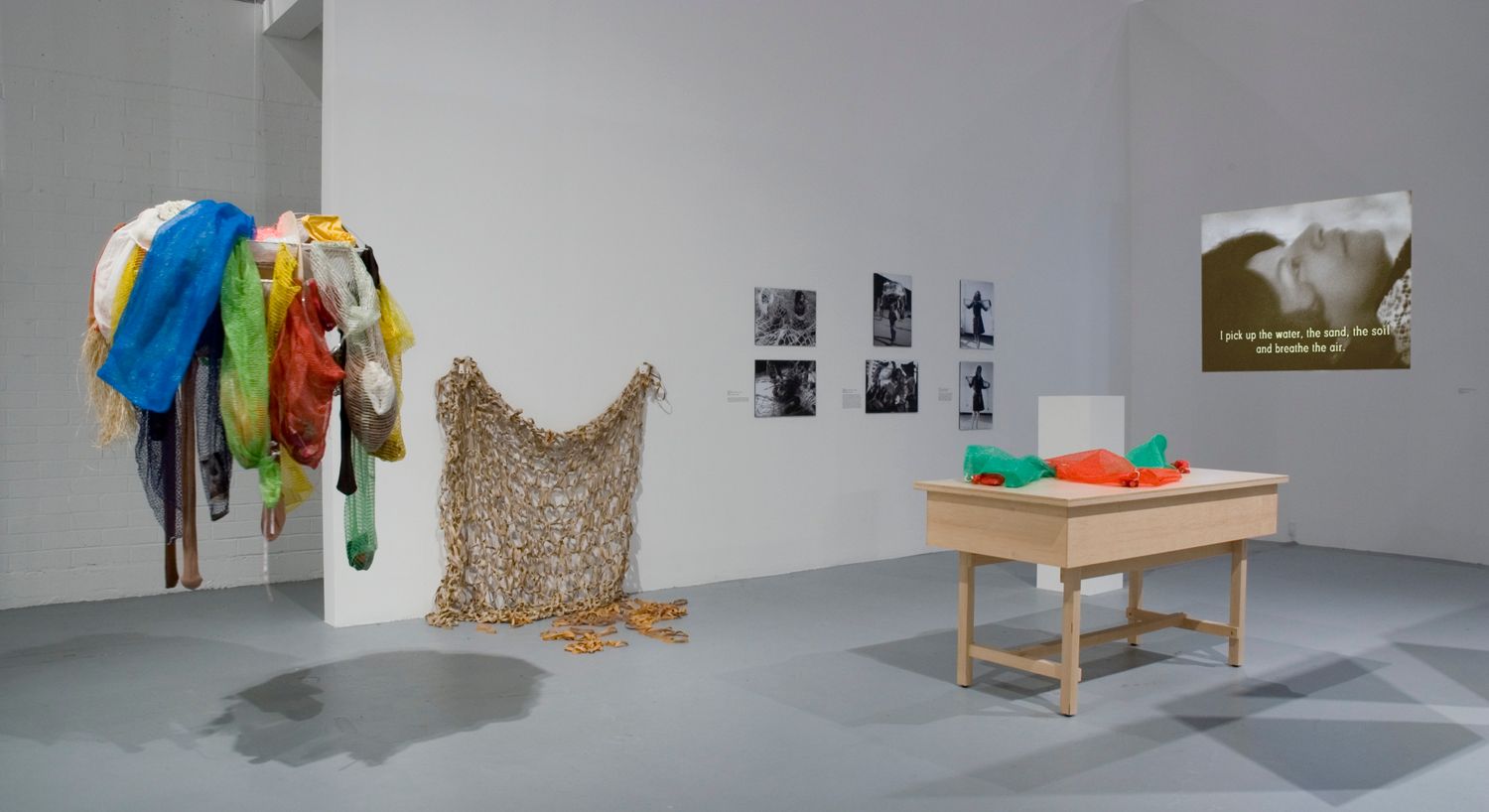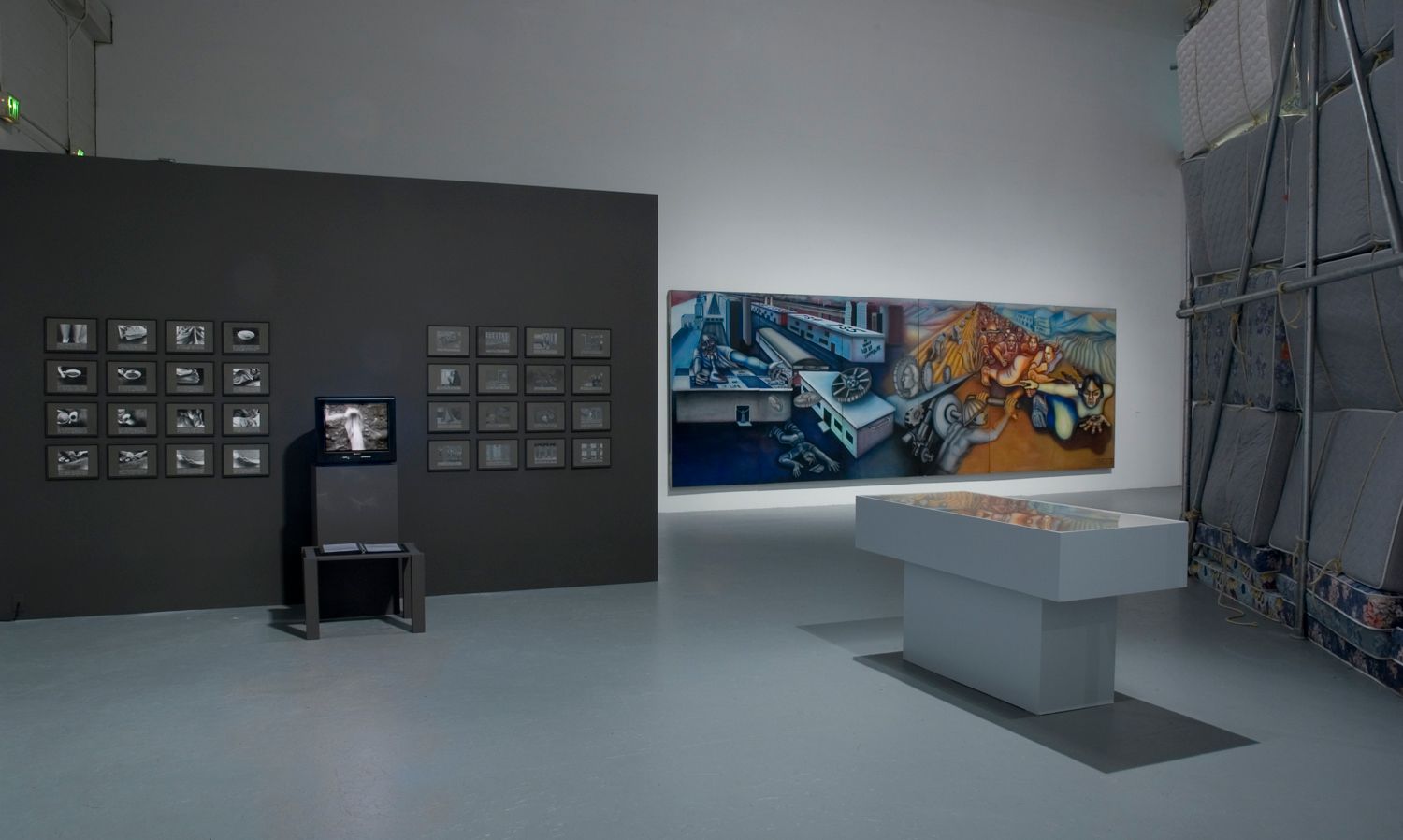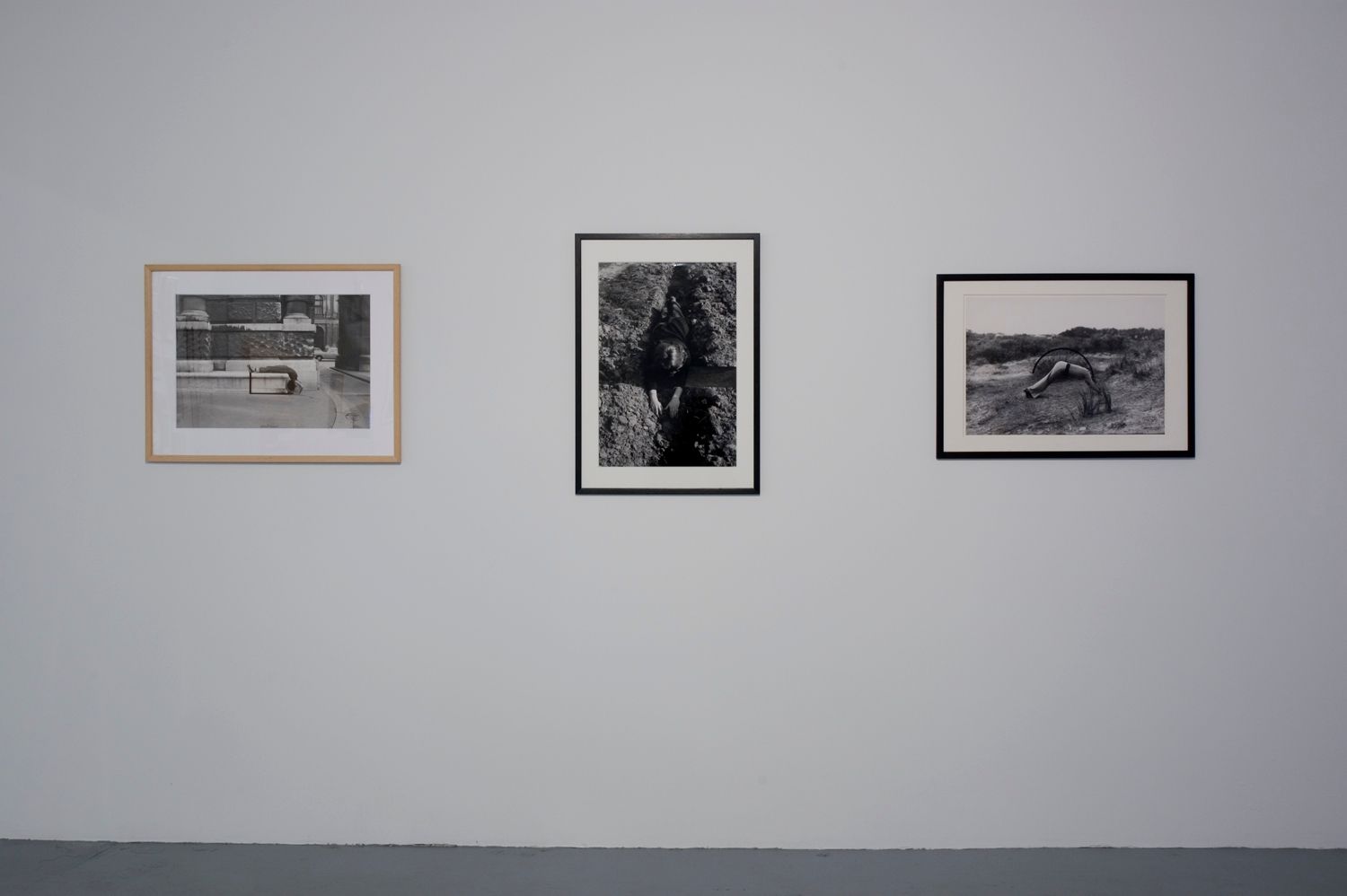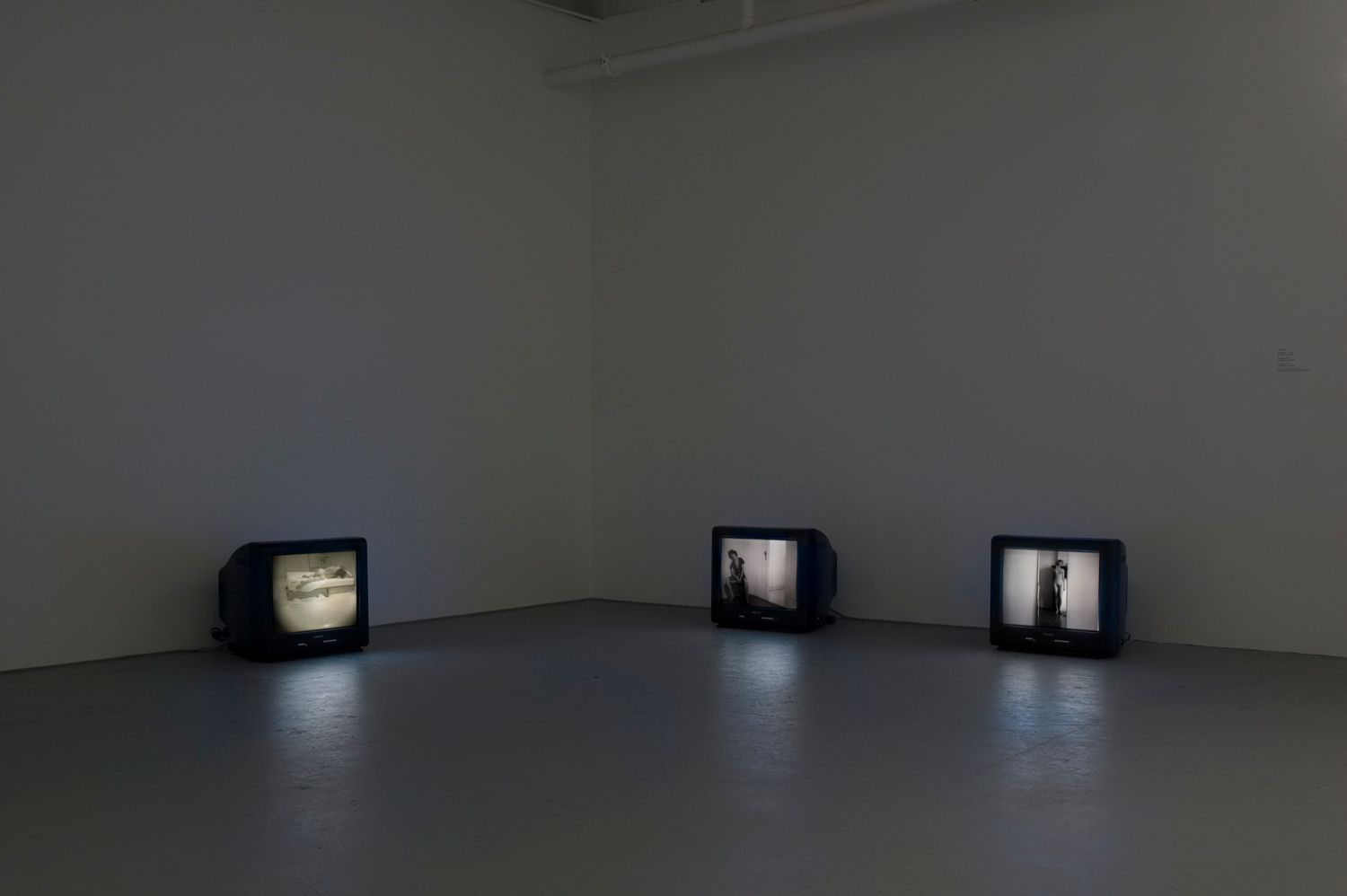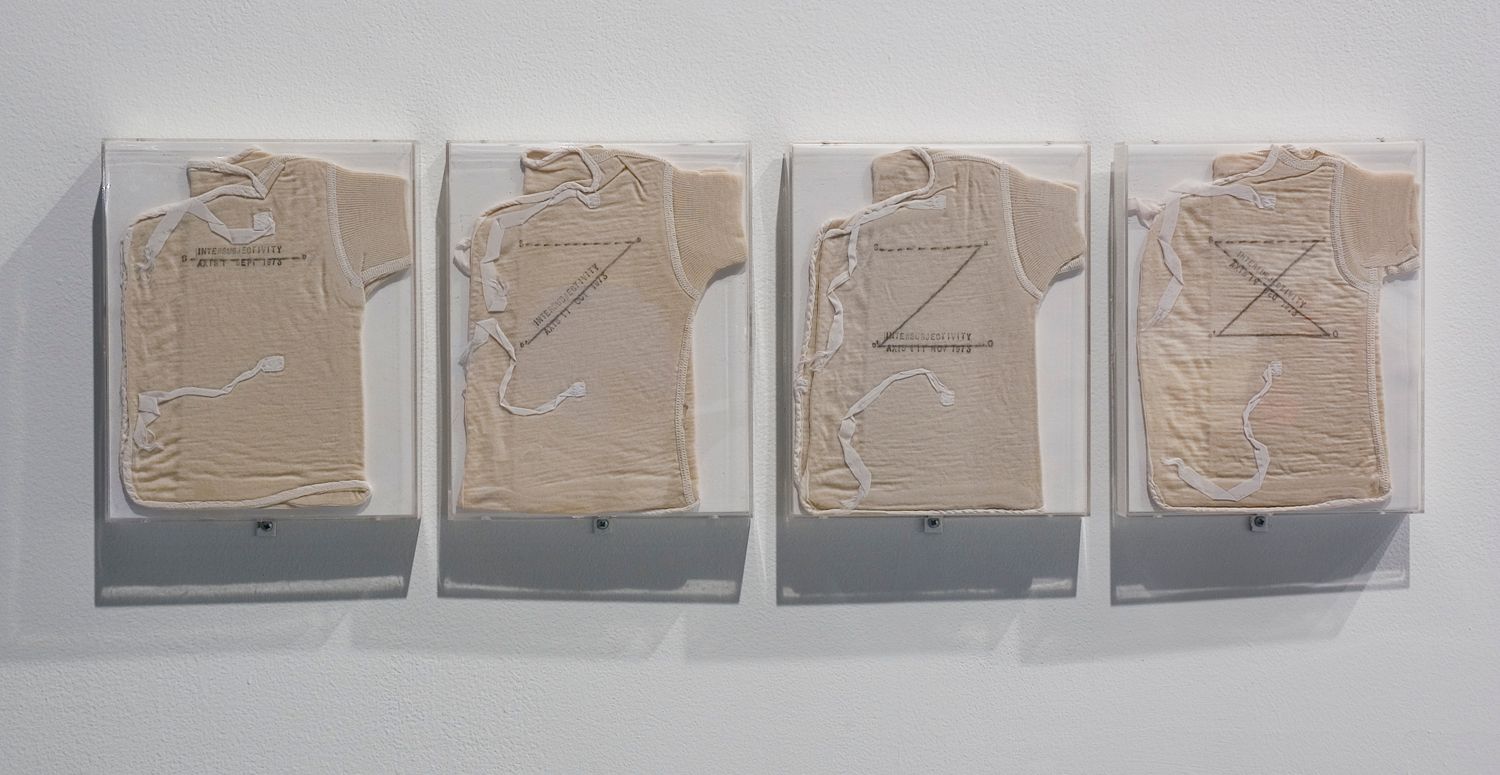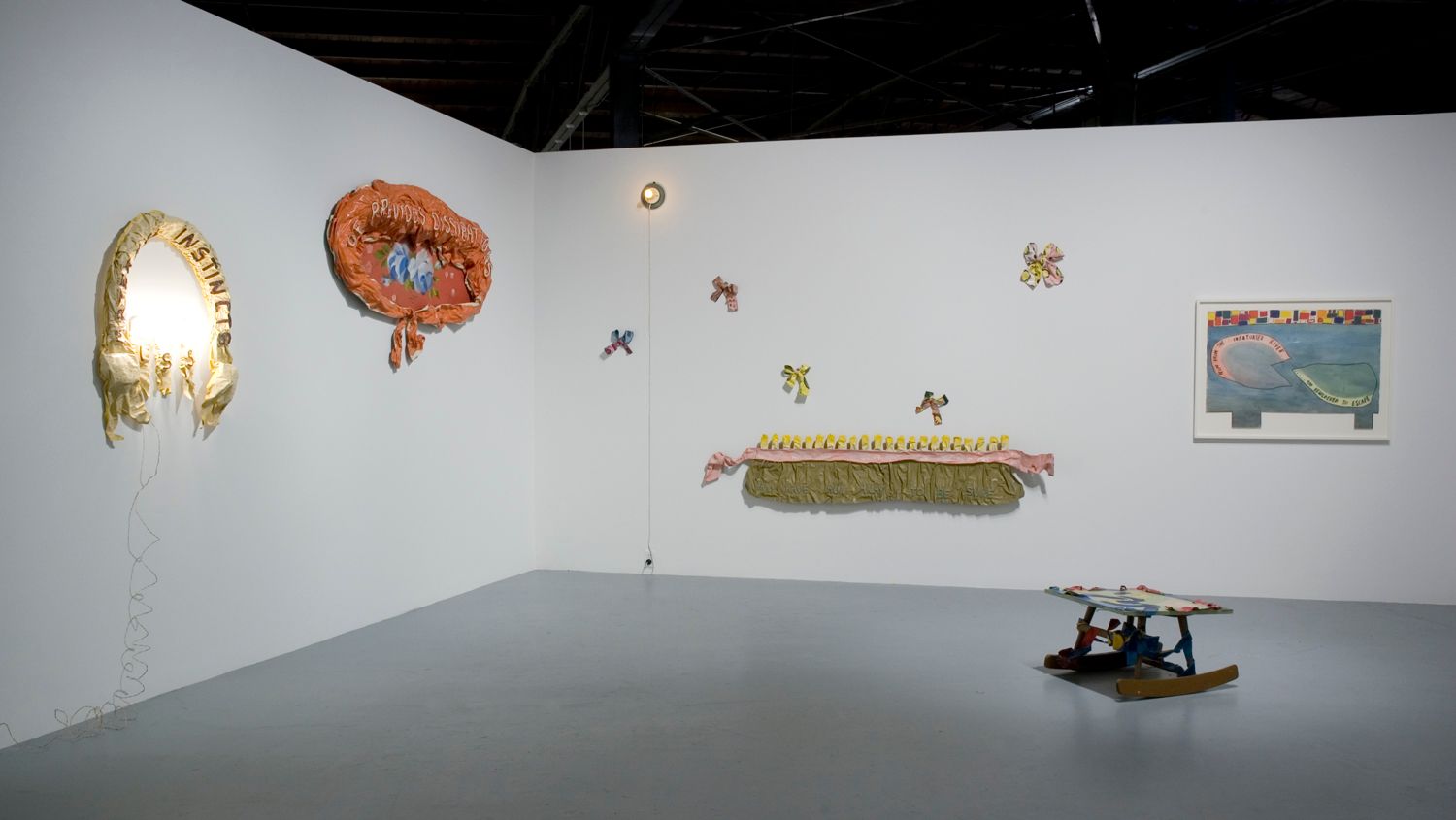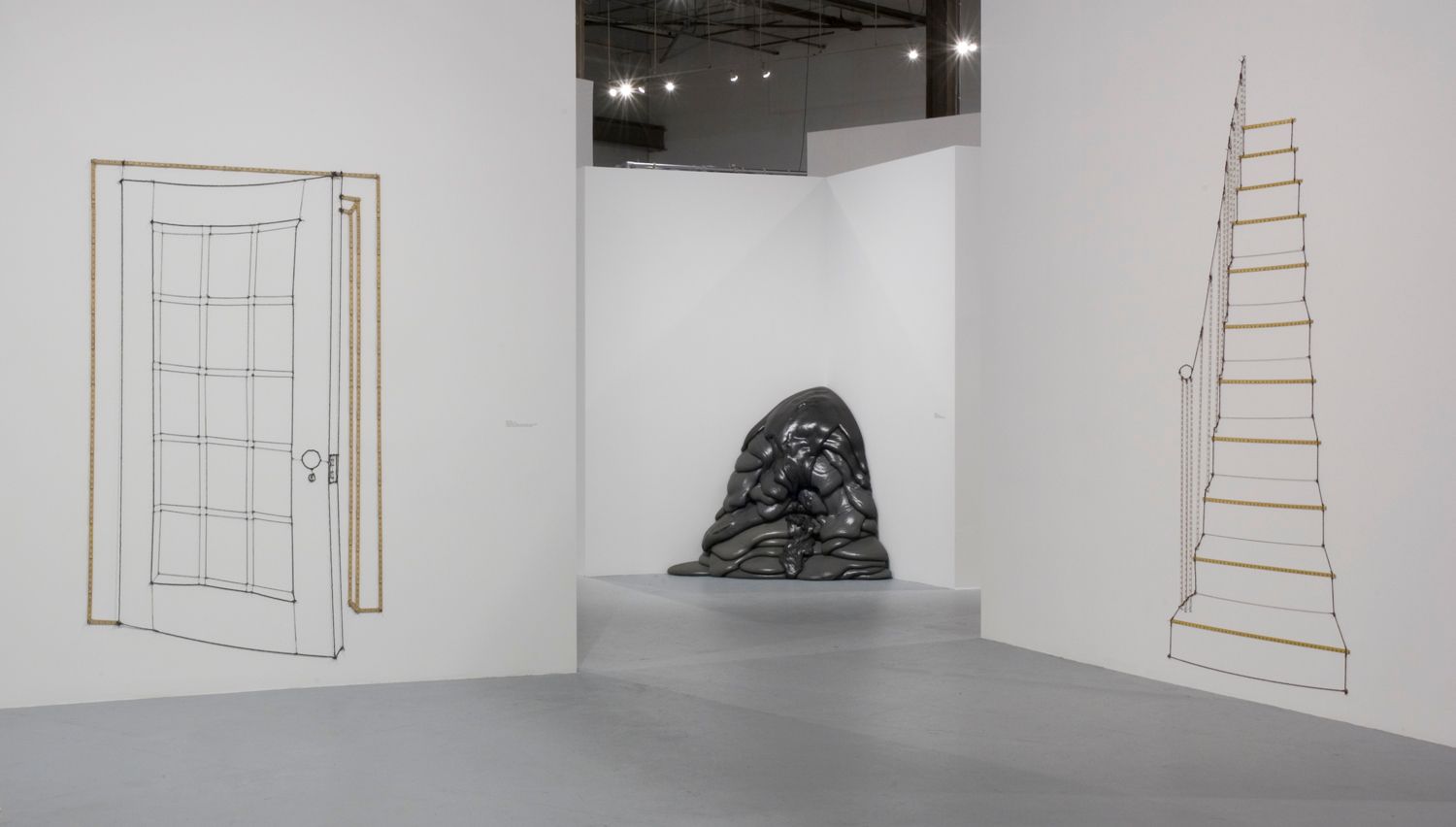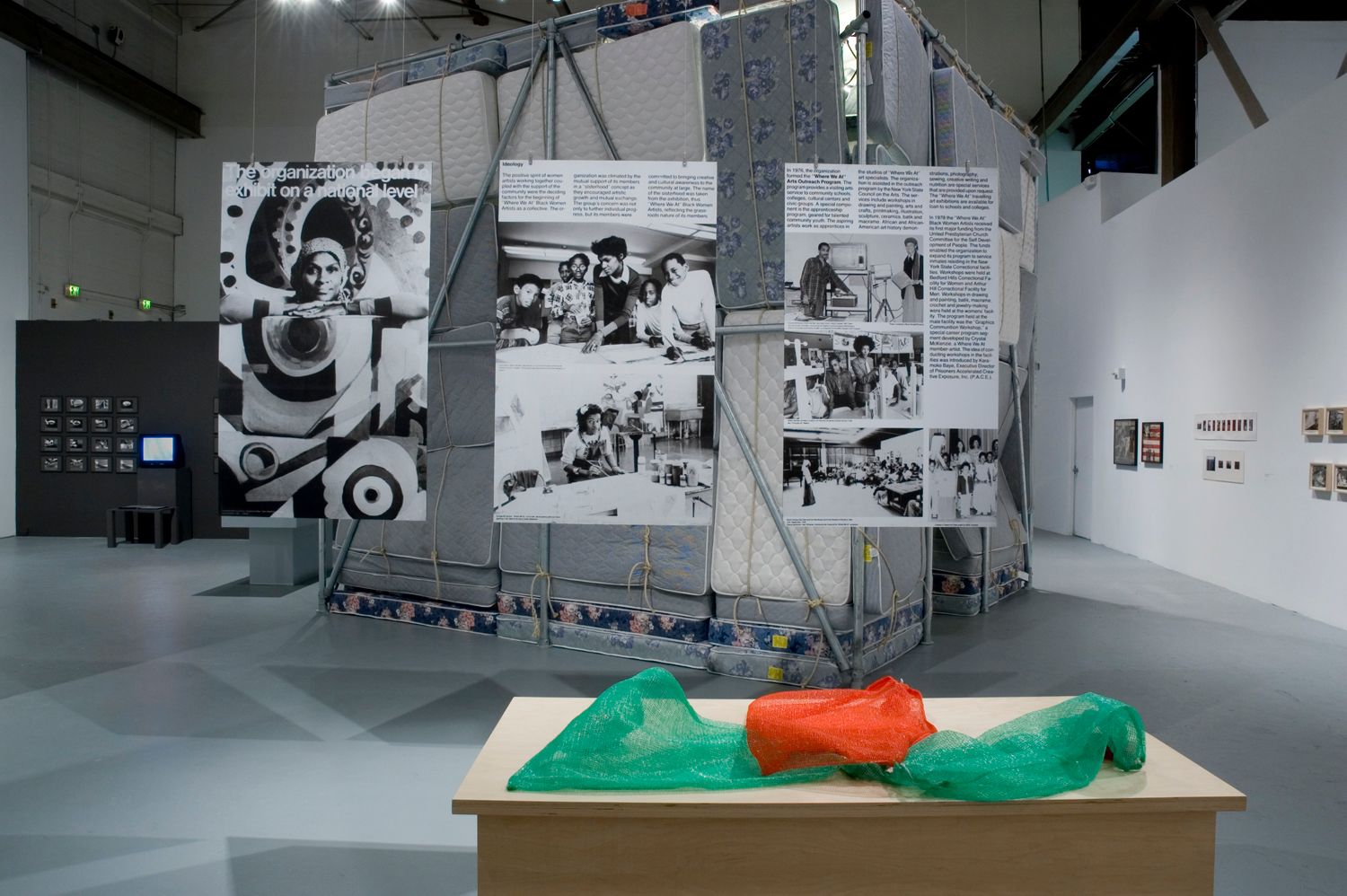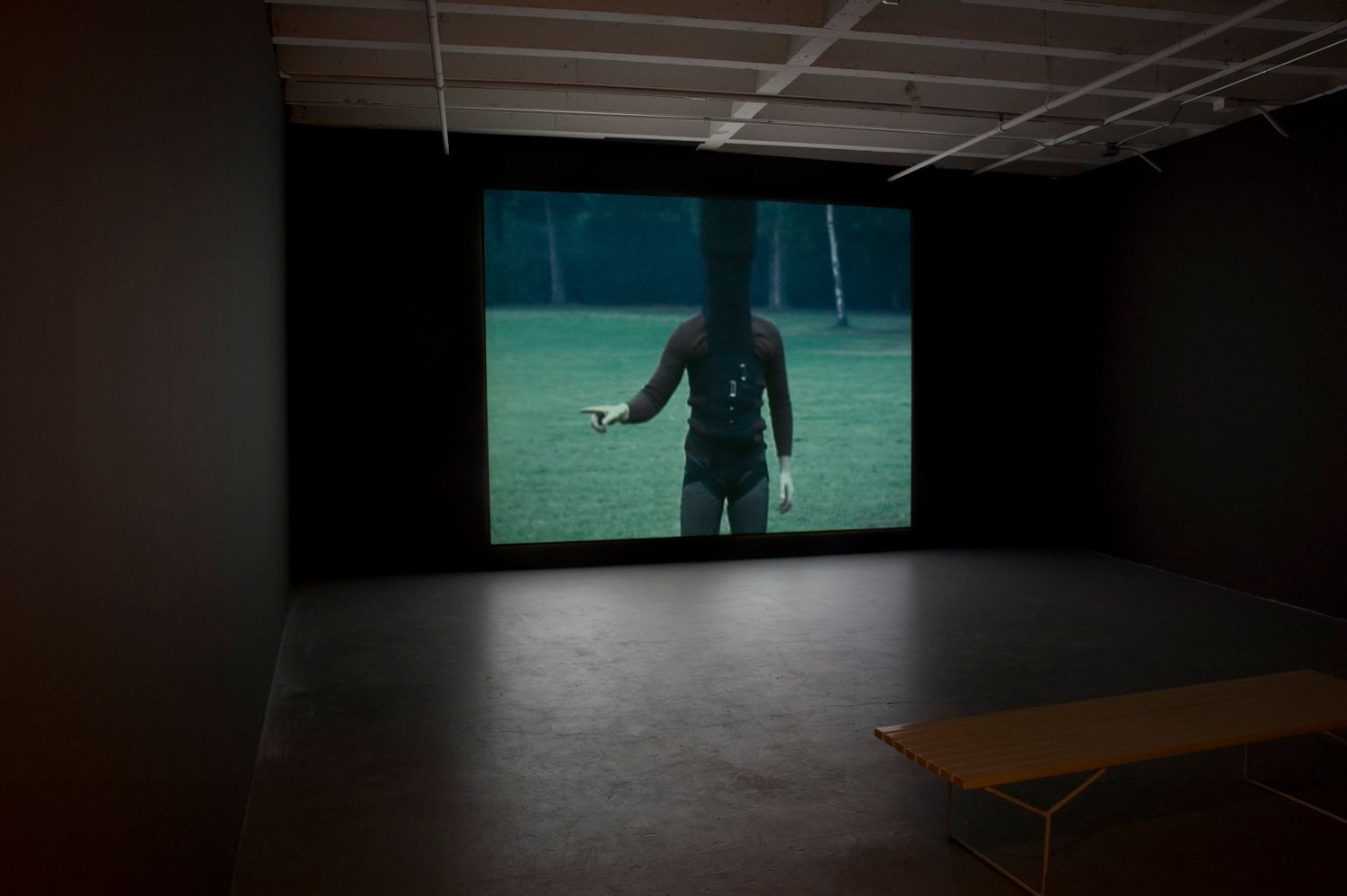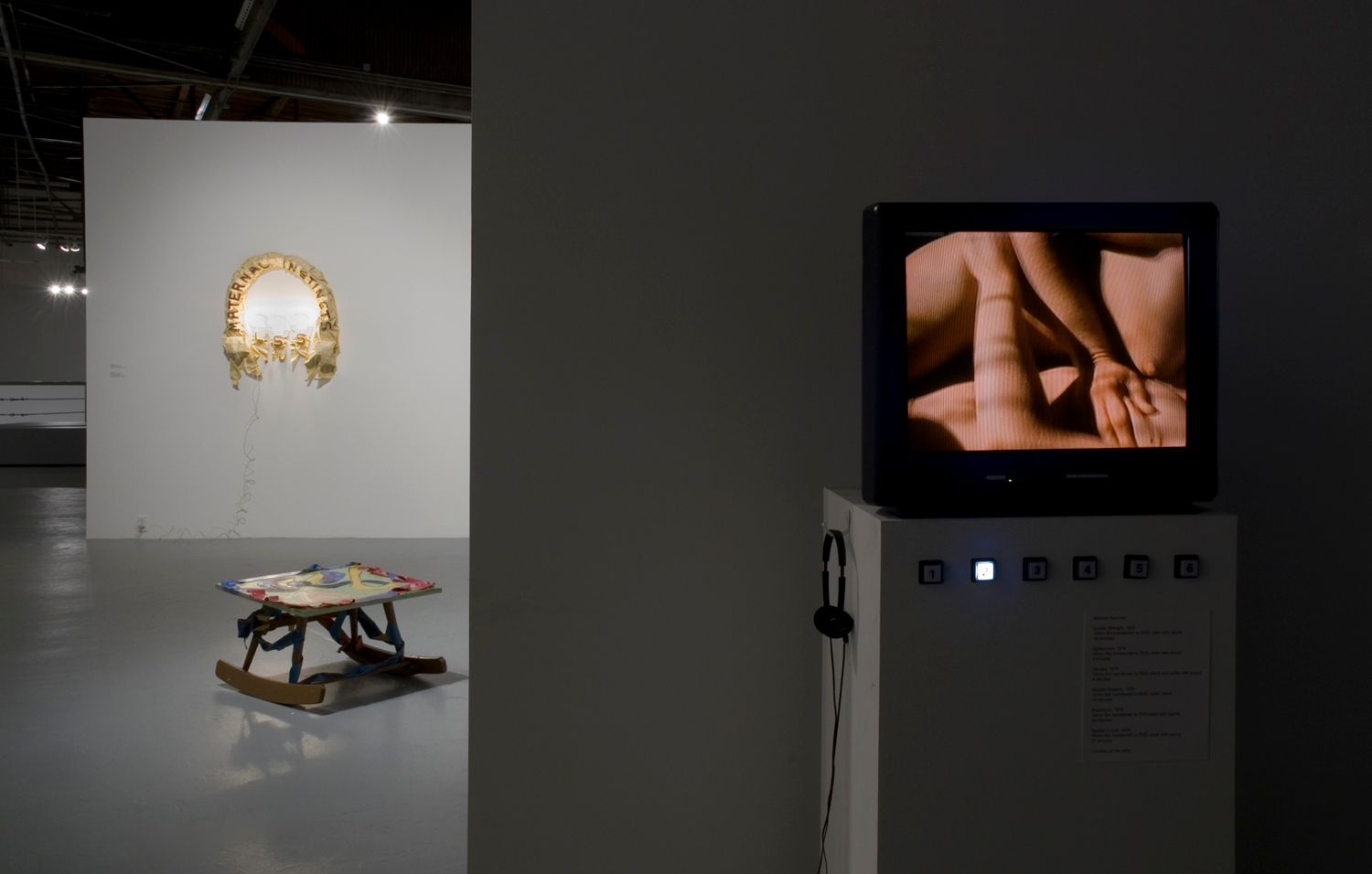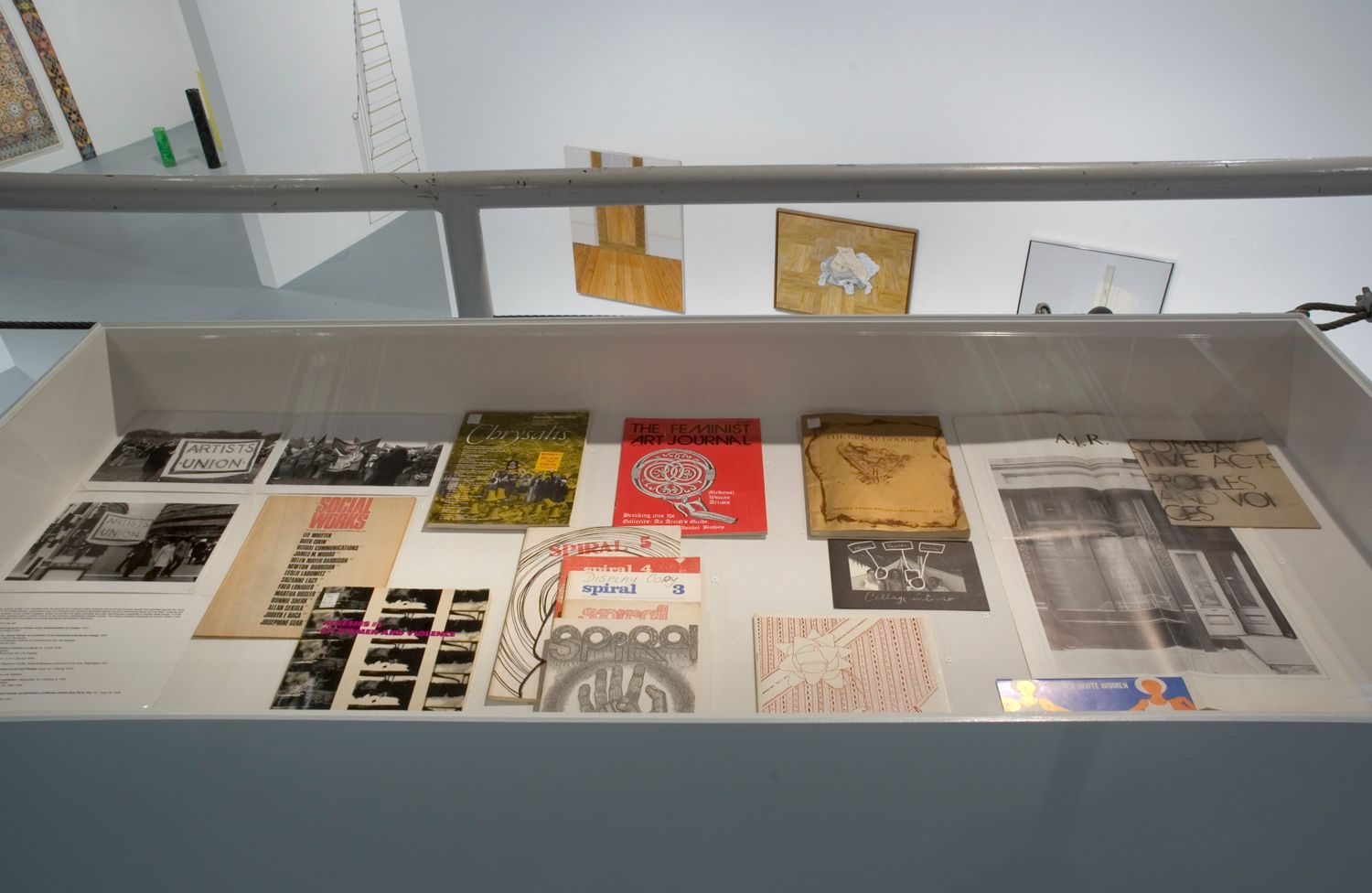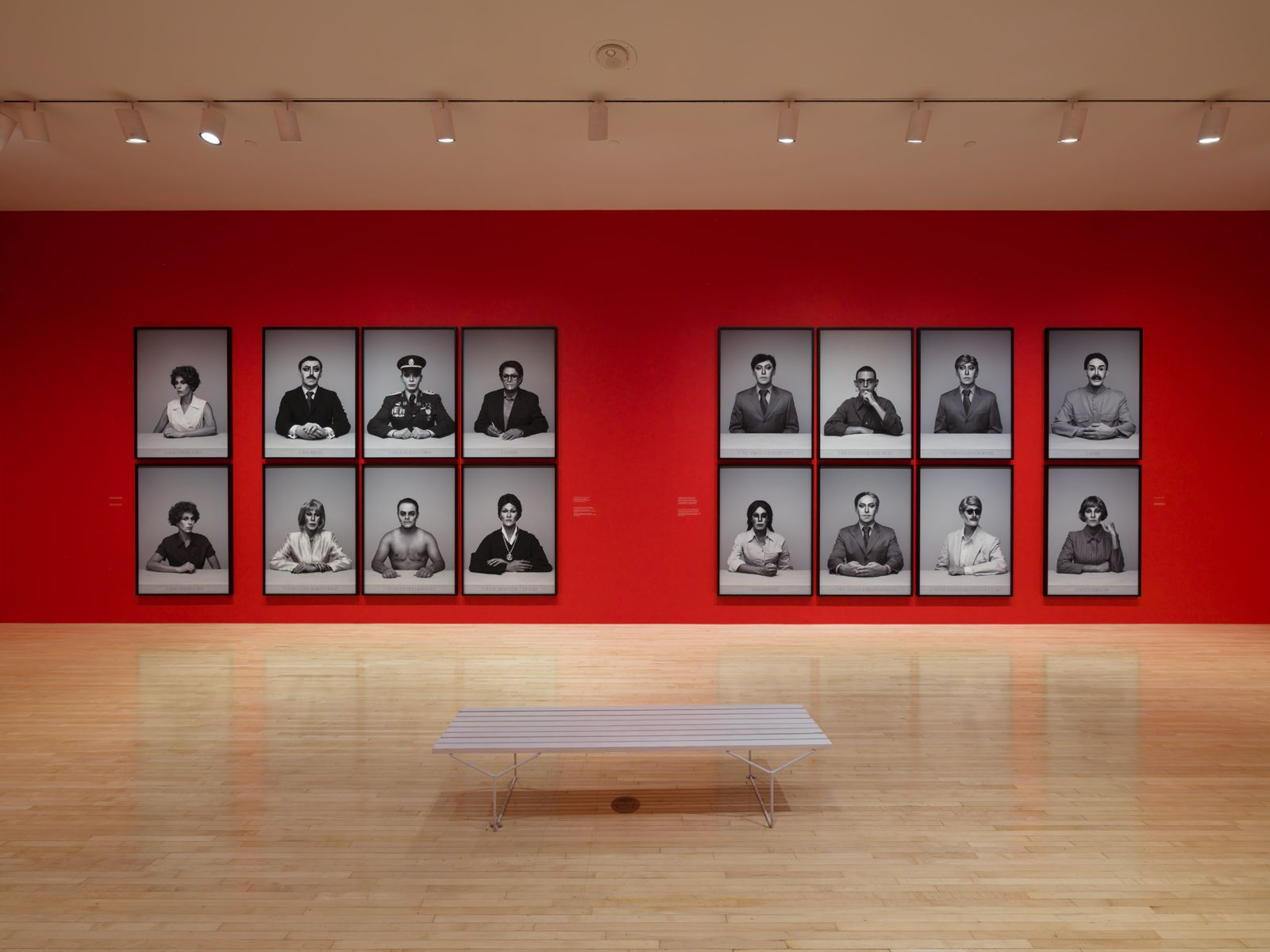
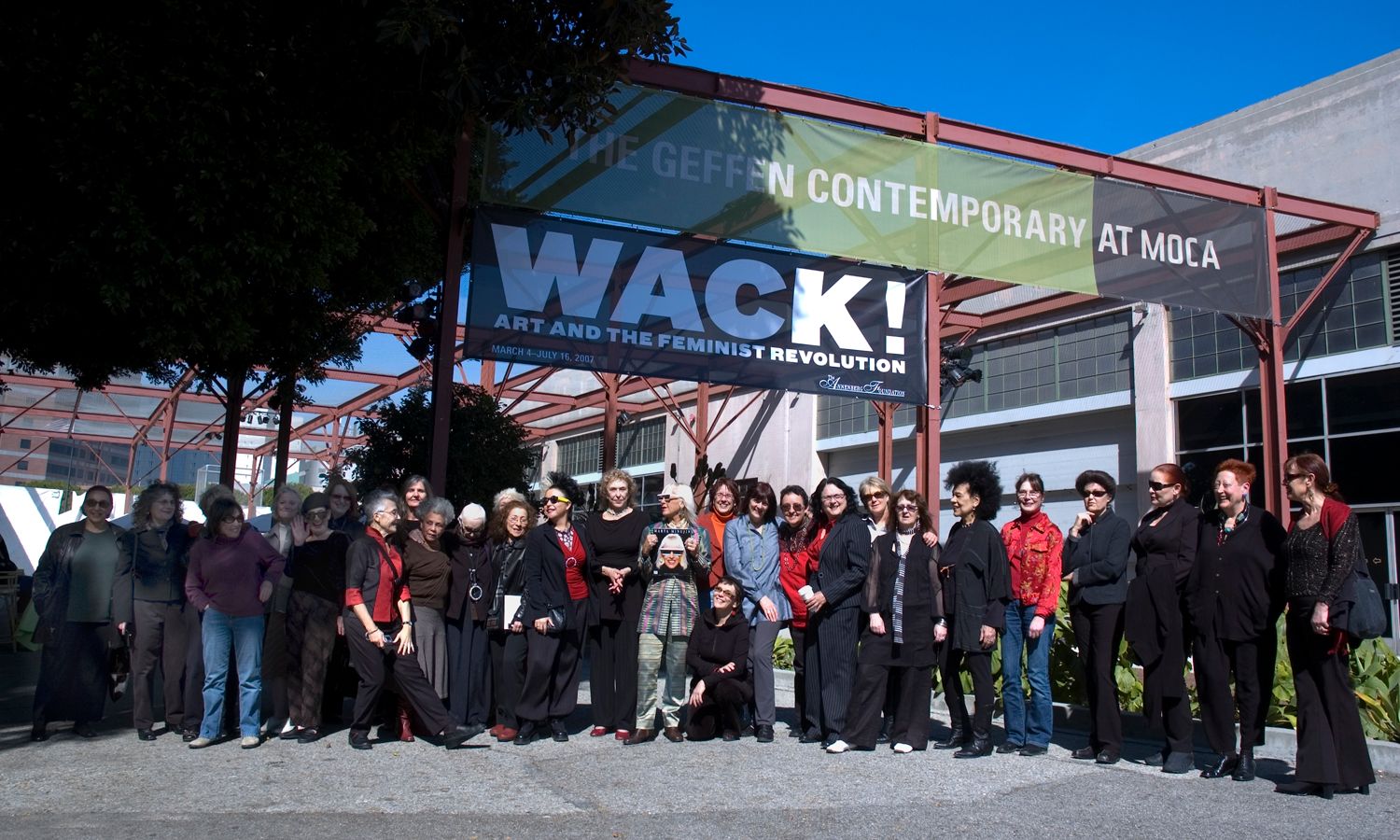
The first comprehensive, historical exhibition to examine the international foundations and legacy of feminist art, WACK! Art and the Feminist Revolution focuses on the crucial period 1965–80, during which the majority of feminist activism and artmaking occurred internationally. The exhibition includes the work of 120 artists from the United States, Central and Eastern Europe, Latin America, Asia, Canada, Australia, and New Zealand. Comprising work in a broad range of media—including painting, sculpture, photography, film, video, and performance art—the exhibition is organized around themes based on media, geography, formal concerns, collective aesthetic, and political impulses. Curated for The Museum of Contemporary Art, Los Angeles, by Connie Butler, The Robert Lehman Foundation Chief Curator of Drawings at The Museum of Modern Art, New York (MoMA), the exhibition is accompanied by a fully illustrated catalogue.
Welcome to the WACKsite, the community driven component of moca.org dedicated to enriching viewers’ understanding of WACK! Art and the Feminist Revolution and its many supporting programs.
WACK! Art and the Feminist Revolution
edited by Cornelia Butler and Lisa Gabrielle Mark
Co-published by The MIT Press
In the 1970s, women changed the way art was made and talked about forever. WACK! Art and the Feminist Revolution is a long-awaited international survey that chronicles the impact of the feminist revolution on art made between 1965 and 1980, featuring groundbreaking works by artists such as Chantal Akerman, Lynda Benglis, Theresa Hak Kyung Cha, Valie Export, Mary Heilman, Sanja Ivekovic, Ana Mendieta, and Annette Messager, who came of age during that period — as well as others such as Louise Bourgeois, Judy Chicago, Sheila Levrant de Bretteville, Lucy Lippard, Alice Neel, and Yoko Ono, whose careers were well established.
The book opens with a rich, full-color plate section in which works by over 120 artists are grouped into themes, including Abstraction, Body as Medium, Family Stories, Gender Performance, Knowledge as Power, and Making Art History. Highlights include the figurative paintings of Joan Semmel; the performance and film collaborations of Sally Potter and Rose English; the untitled film stills of Cindy Sherman; and the large-scale, craft-based sculptures of Magdalena Abakanowicz. Written entries on each artist offer key biographical and descriptive information, while accompanying essays by leading critics, art historians, and scholars offer a fresh look at feminist art practice from a cross-cultural perspective. Topics such as the relationship between American and European feminism, feminism and New York abstraction, women’s art under the Pinochet dictatorship, and mapping a global feminism provide a broad social context for the artworks themselves.
Working in a diverse range of media, including painting, sculpture, installation, performance, photography, film, and video, the artists in WACK! made feminism one of the most important influences on art of the late twentieth century.
Essays by: Cornelia Butler, Judith Russi Kirshner, Catherine Lord, Marsha Meskimmon, Richard Meyer, Helen Molesworth, Peggy Phelan, Nelly Richard, Valerie Smith, Abigail Solomon Godeau, and Jenni Sorkin
Entries by: Esther Adler, Cornelia Butler, Elizabeth Hamilton, Jane Hyun, Susan Jenkins, Lisa Gabrielle Mark, Rebecca Morse, Corrina Peipon, Alexandra Schwartz, Jenni Sorkin, Linda Theung, and Dawson Weber
Check back soon to purchase a WACK! catalogue from the MOCA store.
WACK! catalogue essayist Richard Meyer writes on the debate surrounding Martha Rosler’s collage Body Beautiful, or Beauty Knows No Pain: Hot House, or Harem and the WACK! catalogue cover:
Feminism Uncovered
Richard Meyer on the WACK! Catalogue
at ARTFORUM.com
Lesbian Art Project, An Oral Herstory of Lesbianism , 1979, slide projection, dimensions variable, courtesy Jennifer Sorkin and Lesbian Art Project; installation photo by Brian Forrest
Mlle Bourgeoise Noire first won her title in 1955. After 25 years of maintaining a lady-like silence, in 1980 she began invading art openings to give people a piece of her mind.
She wore a gown and cape made of 180 pairs of white gloves, 360 gloves in all. Here is a brief version of MBN’s “backstory,” taken from the signage for the Wadsworth Atheneum installation of the performance:
The first time MBN invaded an art opening was at Just Above Midtown/Downtown, the black avant-garde gallery, in June 1980. JAM had just inaugurated a new space in Tribeca. The invasion was her response to the tame, well-behaved abstract art that had recently appeared in the “Afro American Abstraction” show at PS 1, an exhibit to which JAM had contributed a majority of artists.
The “occasional poem” she shouted at the JAM opening was:
THAT’S ENOUGH!
No more boot-licking…
No more ass-kissing…
No more buttering-up…
No more pos…turing
of super-ass..imilates…
BLACK ART MUST TAKE MORE RISKS!!!
Her next invasion was of the New Museum, at the opening of the “Persona” show in September 1981. The exhibit included nine artists using personas in their work. Mlle Bourgeoise Noire called it “The Nine White Personae Show.” When invited to give the outreach lectures to schoolkids for the show, she’d replied, “Let’s talk after the opening.”
The poem shouted on the occasion of the New Museum’s Persona opening was:
WAIT
wait in your alternate/alternate spaces
spitted on fish hooks of hope
be polite wait to be discovered
be proud be independent
tongues cauterized at
openings no one attends
stay in your place
after all, art is
only for art’s sake
THAT’S ENOUGH don’t you know
sleeping beauty needs
more than a kiss to awake
now is the time for an INVASION!
After the opening, she was dis-invited from giving the outreach lectures to schoolkids.
Click Thumbnails to view “MLLE BOURGEOISE NOIRE GOES TO THE NEW MUSEUM”
originally posted April 5, 2007
Posted by Lorraine O’Grady on July 25, 2007 at 8:40am
First, I want to thank Connie Butler, for her ability to SEE, to see that there was, and has always been more to art and to the feminist revolution than could be contained in the now canonical but limited Anglo-American-centric version of feminist history.
I also want to thank Marsha Meskimmon for her WACK! catalogue article, “Chronology through Cartography: Mapping 1970s Feminist Art Globally,” which opens the article section and provides the subsequent theoretical spine of the show. Personally, I think everyone should memorize this article so we can just move on. It’s a brilliant piece, and one from which I’ve gained many fresh insights into the historic fate of Mlle Bourgeoise Noire.
Visual Culture, Race and Globalization: Is Feminism Still Relevant?
Thursday, March 29
7pm
The Ahmanson Auditorium at MOCA Grand Avenue
A conversation with Jennifer Doyle (UC Riverside), Judith Halberstam (USC), Phyllis J. Jackson (Pomona College), Amelia Jones (University of Machester), and Yong Soon Min (UCI). Moderated and organized by Jennifer Doyle and Judith Halberstam.
“A public conversation about the limits of feminism, and the ways in which many of us – out of a commitment to (for example) anti-racist, Marxist, anti-homophobic projects, out of a commitment to thinking outside the box of US Imperialism, push our work beyond the official and unofficial boundaries of feminist cultures.
This roundtable conversation will therefore explore the wave of renewed interest in feminist art with a critical eye, and ask questions like the following: Where is feminist critical thought and art-making now? What happened to the cutting edge of radical feminism and its intensities? What happened to the anti-racist & anti-homophobic interventions of feminists like Audre Lorde?
This event is more of a conversation than a traditional panel, and we anticipate an active & engaged audience.â€
-Jennifer Doyle
This program is presented by the Center for Feminist Research in conjunction with WACK! Art and the Feminist Revolution.
Info 213/740-1739 FREE
originally posted March 28, 2007
Posted by Zachary Kaplan on July 25, 2007 at 8:30am
Join us for two walkthroughs of WACK! Art and the Feminist Revolution. Using a non-traditional format, a multi-generational gathering of artists, writers, curators, and feminist-minded folk will engage in a roving discussion of the exhibition. Moderated by Jennifer Doyle and Catherine Lord. Sensible shoes recommended.
UPDATE:
A note from Jennifer Doyle:
Walks Through the Revolution: Two distinct gallery walkthroughs that honor how feminist art belongs to each of us. We hope to structure an event that creates the space to acknowledge the diverse histories both of the artists who made the work, and those who have been inspired by it.
During each walk-through, we expect to make between six and eight stops – at each stop we will ask artists in the audience to speak about the work on display. We’ll open up the floor to questions and comments from other audience, and, over the course of each walkthrough, develop a conversation about the exhibit and the current wave of interest in feminist art-making. The morning and afternoon walkthroughs cover completely different portions of the exhibit.
These are not comprehensive tours of the exhibition (see MOCA’s calendar for other gallery tours) – these are instead wanderings that mirror the thoughts and questions of the collective.
Below are some of the artists and writers who have promised to attend the walkthroughs:
Terry Wolverton, Eileen Myles, Linda Bessemer, Mary Kelly, Monica Mayer, Marta Minujin, Louise Fishman, Ming Yuen S. Ma, Cosey Fanni Tutti, Lynn Hershman, Suzi Lake, Lorraine O’Grady, ORLAN, Magdelena Abakanowicz, Margaret Harrison, Nizan Shaked, Mary Bauermeister, Leah Lacy (Jay de Feo estate), Sylvia Sleigh, Mary Beth Edelson, Yvonne Rainer, Harmony Hammond, Faith Wilding, Carolee Schneemann, Suzanne Lacy, Kimberley Meyer
Other people we know will be in attendance include:
Alma Lopez, Chon Noriega, Lisa Steele, Kirsten du Four, Alison Hoffman, Erika Suderburg, Emily Roysdon, Michelle Dizon, Rachel Kushner, Lisa Bloom, Sue Ellen Case, Susan Foster, Julia Meltzer, June Wayne, Barbara Hammer
Lorraine O’Grady addresses the audience at Walks Through the Revolution, March 4, 2007.
Some thoughts on yesterday’s event from co-organizer Jennifer Doyle:
From the moment that Catherine Lord and I proposed a group-led gallery tour of the exhibition, we imagined it as a bum-rushing of the stage – we thought that this kind of event would be a great counter-balance to traditional programming, and that it might function – at least momentarily – as an antidote to the hierarchical structure of the museum itself. We wanted to create a feminist mood – one which welcomed people into the space of the exhibit not as consumers, but as participants.
Feminist art-making and feminist art criticism invent new and different ways of doing things – like other socially engaged movements (for example, labor organizing, and the Civil Rights Movement) they generate alternative modes of knowledge-production centered not around a unified, monolithic knowing subject, but around a noisy collective.
As is characteristic of such things, we struggled at the start with logistics – MOCA staff thoughtfully rented an audio system that would accommodate a larger than traditional audio tour, but the system itself was plagued with problems and was, really, too rigid to suit our purposes. Plus, nearly two hundred people turned up for the 11:00am walk-through! We eventually dispensed with most of the electronic gadgetry, and stuck to old-fashioned amplified shouting. Perfect.
For many of us who by constitution just are feminists, no matter what we do, we struggle with being heard. The fact of the matter is, much of the time, people don’t hear what women have to say, and especially don’t want the feminist intervention. Feminism is hard. And it can be “negative” – pointing out who isn’t here, who has been excluded, what isn’t being talked about, who suffers under the system and who profits by that suffering. And feminist artists, well – most of the time, people don’t know where to put them. (A theme in conversation: how many prominent feminist artists in the show struggle financially – as important as their work is, it isn’t “collectableâ€.)
We wanted to do this event in this way so that we could experience listening, and being listened to. (Oh, the irony that it was sometimes hard to hear the speakers!) We wanted to see women artists who are often otherwise, within official spaces of art history, treated as though they were invisible.
This kind of gallery tour is possible around any exhibit. Critically engaged, communally driven dialogues with art can be staged around all art – the advantage of such programming is that it teaches us not only about the art on display, it teaches us about the wisdom and intelligence of the people living and working in the arts community here in Southern California, the folks all around us who have their own stories to tell about what makes it into the museum, and what doesn’t.
Thank you to everyone who turned up. Thank you for sticking with the tours as we worked out the audio. And big thanks to the speakers, and to the listeners!
Jennifer Doyle
Check back in the coming weeks for more photos, audio, and video from Walks Through the Revolution.
Artist Sylvia Sleigh speaks on the reception of her painting The Turkish Bathat WACK! Art and the Feminist Revolution. March 4th, 2007, The Geffen Contemporary at MOCA, Los Angeles.
Judy Chicago, Through the Flower, 1973, sprayed acrylic on canvas, 61 x 61 x 1 7/8 in., courtesy of Elizabeth A. Sackler, New York; and Pasadena Lifesaver Red #5, 1970, sprayed acrylic on acrylic, courtesy of the National Museum of Women in the Arts, Washington, D.C., gift of Elyse and Stanley Grinstein
An invitation from Faith Wilding to participate in a re-imagining of her celebrated 1972 performance piece Waitingfrom 11am to 5pm on Sunday, March 11, 2007 at The Geffen Contemporary at MOCA:
Dear Friends: Welcome to Wait-with, a re-doing of Waiting originally performed at Womanhouse in Los Angeles, California in 1972. In this new performance, the work of waiting is no longer a solitary act of private despair, but a practice in-common, a creative engagement-with difference, affirmation, change.
In this new year, I have initiated a daily practice of active waiting-with- a holy waiting. Every day I meditate on waiting as a productive space between actions, waiting as a space of refuge and becoming, waiting as an active refusal to dominate, to possess, to force production, to consume. Waiting suffuses my body as breath, movement, listening, song, touch, act and word.
Please accept this invitation to Wait-with me wherever you are in the world. You are welcome to respond in any way you with to this invitation, and to extend it to your network of friends. I will be performing a day of Wait-with in the Geffen Contemporary at MOCA, Los Angeles, on March 11, 11am-5pm, 2007, in the context of the exhibition WACK! Art and the Feminist Revolution. I welcome your embodied participation with me there.
In expectation, in friendship,
-Faith Wilding
originally posted March 08, 2007
Posted by Zachary Kaplan on July 25, 2007 at 8:10am
The Public + Artist Project invites artists to enhance and deepen visitor experience in conjunction with an exhibition.
Throughout WACK! Art and the Feminist Revolution, exhibition artist Suzanne Lacy is creating a Public + Artist Project that builds on the feminist art legacy of activism around women’s issues and fostering communication between women to improve their social conditions. The project is built on the feminist art premise that the private lives of women had formerly unrecognized public consequence, an idea that remains current.
Stories of Work and Survival involves the recreation of Lacy’s historic performances while presenting a contemporary look at experiences of survival, resilience, and hope of fifteen diverse groups of Los Angeles working women. Leaders of these groups, drawn from different work environments and neighborhoods are participating in a Women’s Leadership through Art seminar by Dr. Janna Shadduck-Hernandez of UCLA’s Center for Labor.
Over the course of six days in April, meetings of these groups will take place here in the reading room of MOCA’s Geffen Contemporary. Questions pursued include: “What challenges your survival or ability to thrive?†“How can making personal stories publicly known serve to empower those telling them?â€
Museum visitors are encouraged to witness these conversations as group members will be available after each for informal conversation.
Beginning May 5, the actual recorded conversations will be available to museum visitors in the Reading Room.
On Saturday, June 16, the performance concludes with a massive dinner outside MOCA’s Geffen Contemporary Museum, where over 350 project participants, students, and organizers will meet to celebrate.
Keep checking back for updates on Stories of Work and Survival, or email education@moca.org for more information.
Photos by Ofunne Obiamiwe
originally posted April 20, 2007
Posted by Sara Daleiden on July 25, 2007 at 8:05am